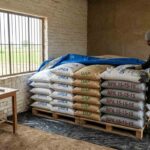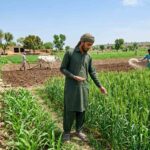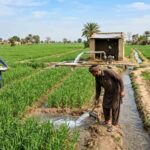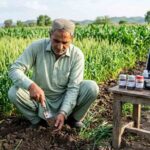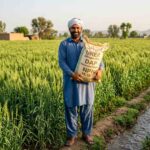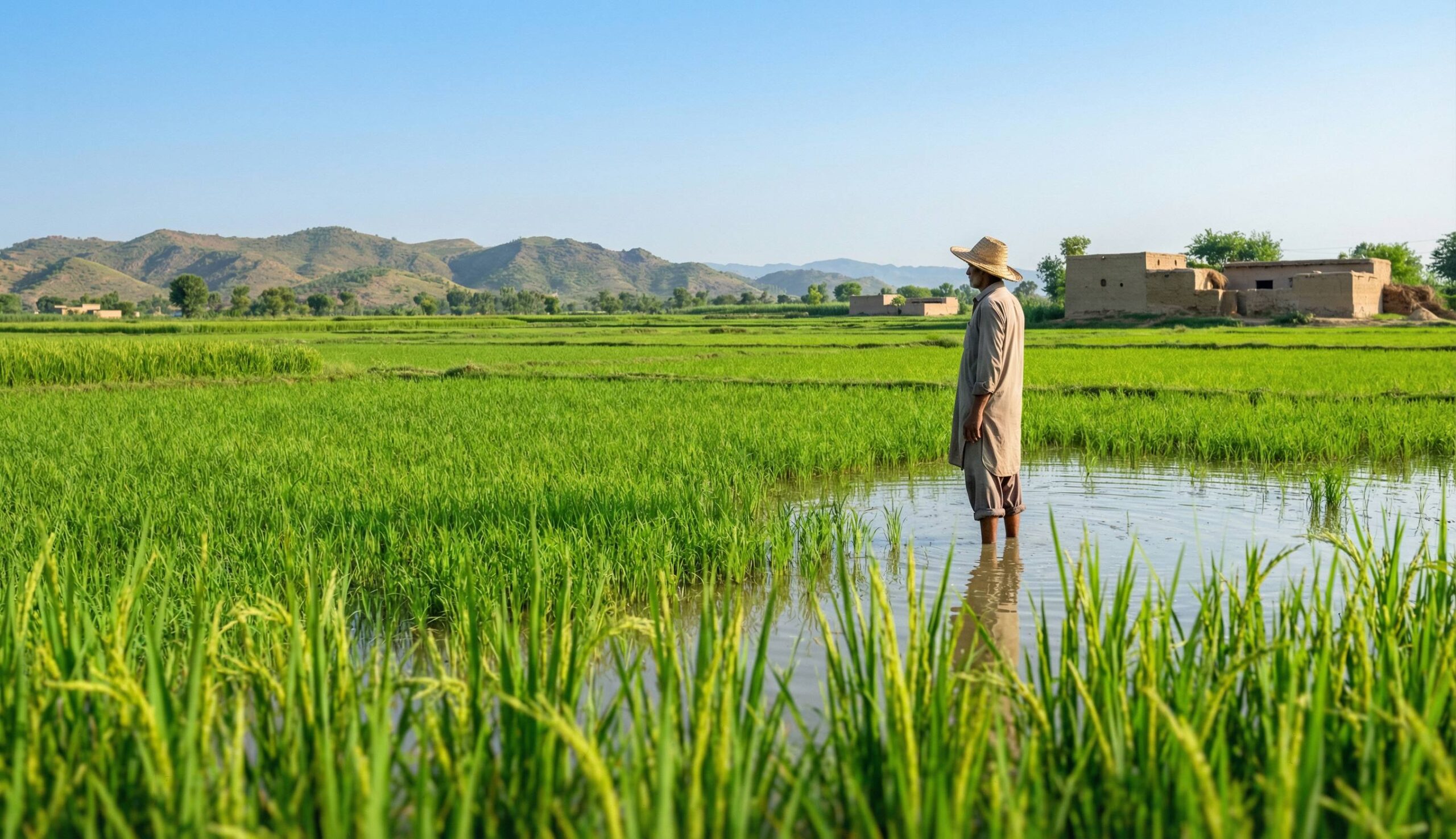
Rice Crop in Pakistan is one of the most important crops in Pakistan. It is not only a major food item but also a valuable export crop that supports the country’s economy. In Punjab, Sindh, and some parts of Khyber Pakhtunkhwa, thousands of farmers depend on rice farming for their income. To get a healthy crop and good yield, fertilizer management plays a very important role.
Choosing the best fertilizers for rice crops in Pakistan is not just about using more fertilizer. It is about using the right nutrients, in the right amount, at the right time. Many farmers face low production because they either apply fertilizer late, use the wrong type, or do not understand the nutrient needs of the rice plant.
This article explains the nutrient requirements of rice, the most common fertilizers used in Pakistan, the correct application methods, and practical tips for farmers in local conditions.
Introduction to Rice Farming in Pakistan
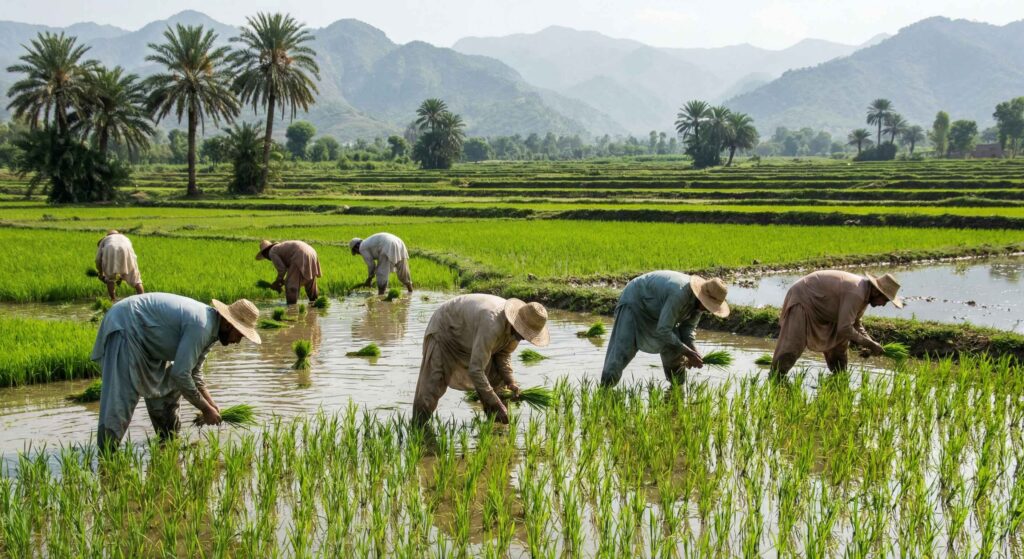
Pakistan is known for producing high-quality rice, especially Basmati and Irri varieties. Punjab is famous for Basmati rice, while Sindh is well known for coarse and export-quality rice varieties. Rice is mostly grown in warm and humid conditions, and it performs best when water is available at the right stages.
Rice farming in Pakistan usually starts with nursery raising and transplanting, although direct seeding is also becoming popular in some areas. Since rice is a heavy feeder crop, it removes a large amount of nutrients from the soil. If these nutrients are not replaced through fertilizers or organic matter, soil fertility declines over time.
That is why understanding the best fertilizers for Rice Crop in Pakistan is essential for both small and large farmers. Good fertilizer management improves plant growth, tillering, grain filling, and final yield.That is why understanding the Best Fertilizers for Rice Crop in Pakistan is essential for both small and large farmers. Good fertilizer management improves plant growth, tillering, grain filling, and final yield.
Nutrient Requirements of Rice Crop
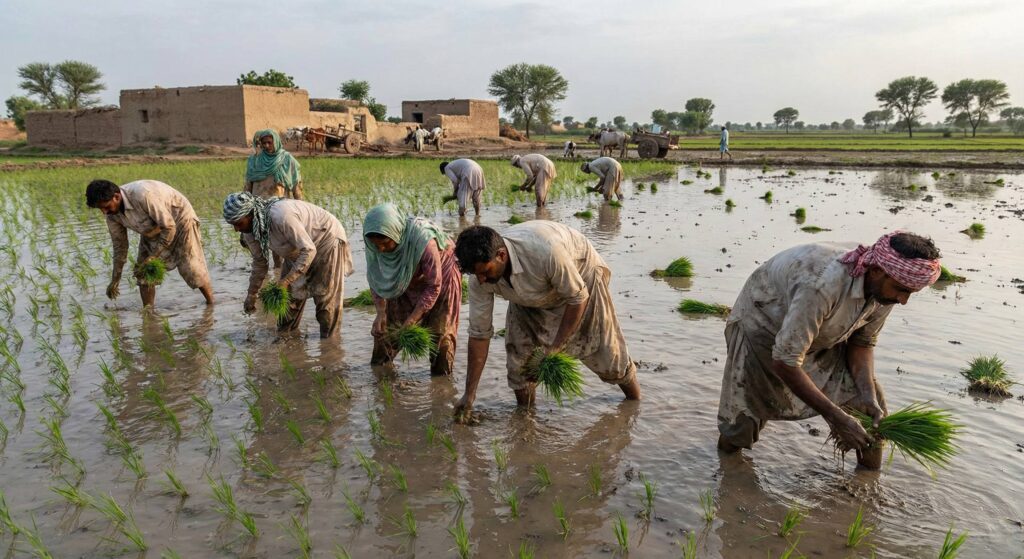
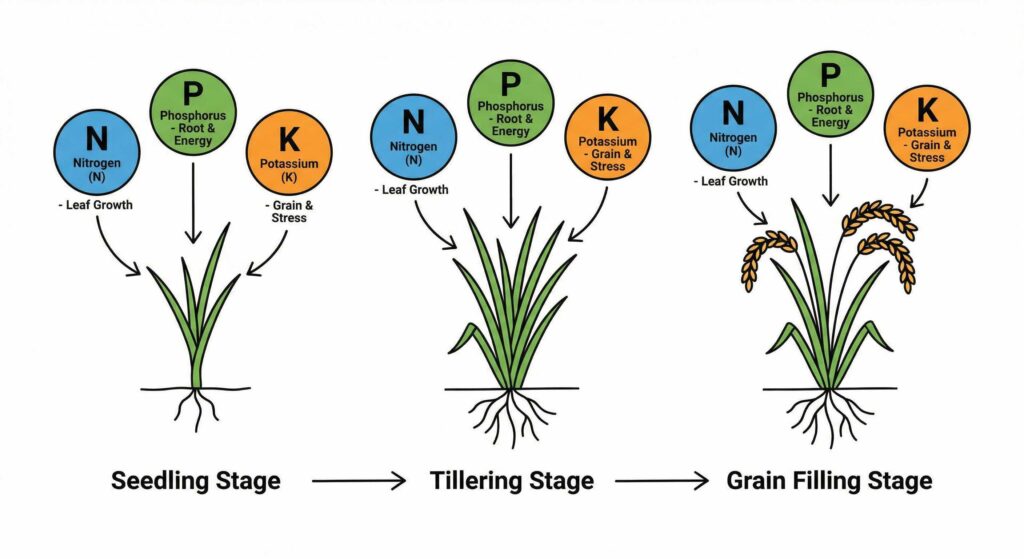
Rice needs both major and minor nutrients, but the three most important ones are Nitrogen (N), Phosphorus (P), and Potassium (K). These are called primary nutrients because the crop requires them in larger amounts.
Nitrogen for Rice Crop
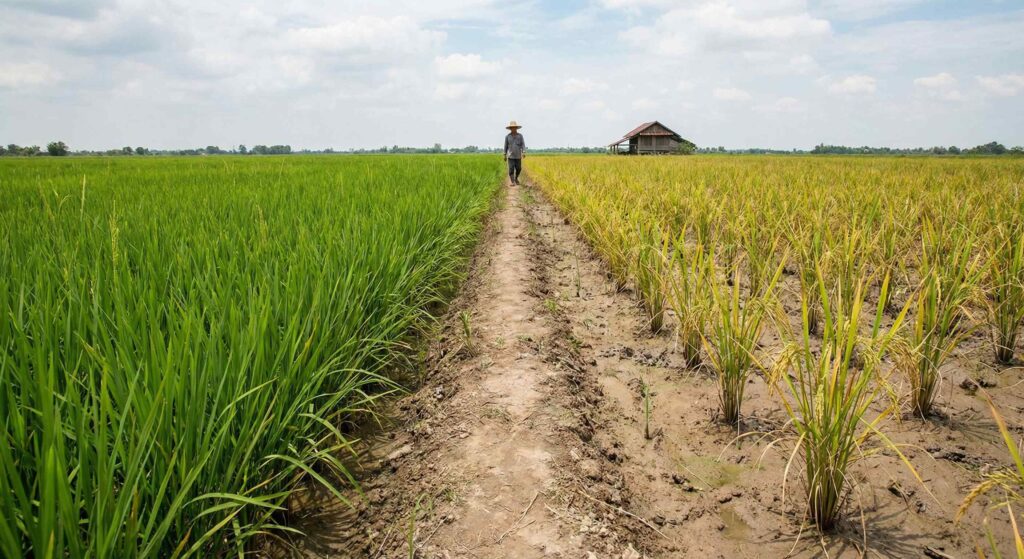
Nitrogen is the most important nutrient for rice. It helps the plant develop green leaves, strong tillers, and healthy growth. A rice field lacking nitrogen usually looks pale green or yellow, and plant growth becomes weak.
Nitrogen is especially important in the early and middle growth stages. It supports:
- Leaf development
- Tillering
- Plant height
- Grain formation
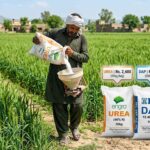
In Pakistan, urea is the most common source of nitrogen for rice. However, applying all nitrogen at one time is not a good practice because much of it can be lost through water, evaporation, or leaching.
Phosphorus for Rice Crop
Phosphorus helps in root development and early plant establishment. It is very important at the start of the crop because strong roots help rice plants absorb water and nutrients better.
A phosphorus-deficient rice crop may show:
- Slow growth
- Weak root system
- Delayed maturity
- Poor tillering
DAP is commonly used in Pakistan to supply phosphorus. Since phosphorus does not move easily in soil, it should be applied at land preparation or transplanting time.
Potassium for Rice Crop
Potassium improves the overall strength of the rice plant. It helps the crop resist diseases, tolerate stress, and produce better grains. It also supports water regulation inside the plant.
Benefits of potassium include:
- Strong stems
- Better disease resistance
- Improved grain quality
- Better tolerance to heat and water stress
In many Pakistani soils, especially where intensive cropping is practiced, potassium is often ignored. This can reduce rice yield and grain quality over time. Potash fertilizers should be used where soil tests or crop conditions show deficiency.
Best Fertilizers Used in Pakistan for Rice Crop
When talking about the best fertilizers for Rice Crop in Pakistan, a few products are widely used and trusted by farmers. The best choice depends on soil condition, crop variety, water availability, and local climate.
Urea
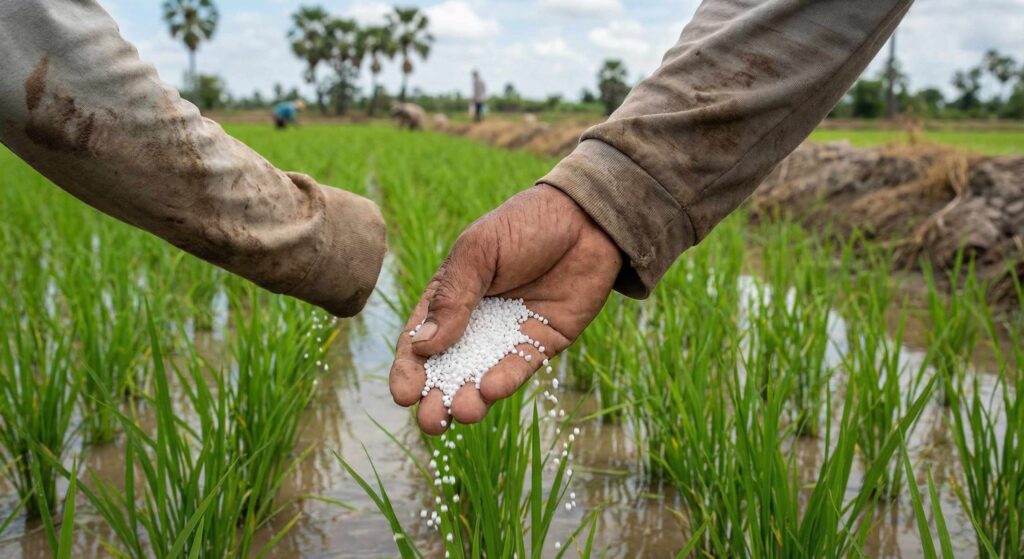
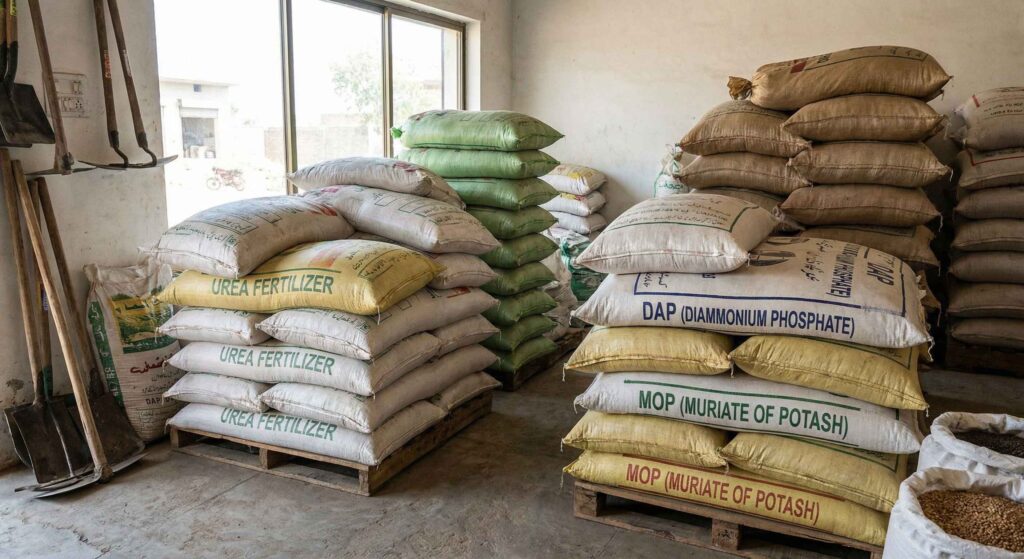
Urea is the most commonly used nitrogen fertilizer in Pakistan. It contains 46% nitrogen and is affordable compared to many other fertilizers.
Why farmers use urea
- Promotes fast vegetative growth
- Helps in tillering
- Easily available in local markets
- Cost-effective source of nitrogen
Important advice
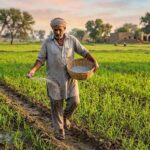
Do not apply all urea in one dose. Split application gives better results. In flooded fields, nitrogen losses can be high, especially if water management is poor.
DAP
DAP stands for Diammonium Phosphate. It contains both nitrogen and phosphorus. It is mainly used at sowing or transplanting stage.
Benefits of DAP
- Supports early root growth
- Helps young plants establish quickly
- Provides phosphorus and some nitrogen together
For many rice farmers in Punjab and Sindh, DAP is a basic fertilizer during land preparation.
Potash
Potash fertilizers, such as MOP (Muriate of Potash), supply potassium to the crop. Although some farmers ignore potash to save cost, this can become a serious mistake, especially in soils that are already low in potassium.
Benefits of potash
- Improves grain filling
- Strengthens plants
- Reduces lodging
- Supports stress tolerance
In hot areas of Sindh, where crops face temperature stress, potassium can be especially helpful.
SSP and Other Phosphatic Fertilizers
Single Super Phosphate (SSP) is another fertilizer that provides phosphorus. It is less concentrated than DAP but can still be useful, especially where sulfur is also needed.
Zinc Sulphate
Although NPK are the main nutrients, zinc deficiency is common in many rice-growing areas of Pakistan, especially in calcareous soils. If rice leaves show yellowing between veins or poor growth in early stages, zinc deficiency may be the reason.
Applying zinc sulphate can improve plant health, especially in areas of central Punjab and some irrigated soils.
Fertilizer Application Timing and Method
Using the Best Fertilizers for Rice Crop in Pakistan is only effective when timing and method are correct. Even good fertilizer can give poor results if applied wrongly.
Basal Application
Basal application means applying fertilizer before transplanting or at final land preparation.
At this stage, farmers usually apply:
- DAP or SSP for phosphorus
- Potash if required
- Farmyard manure or compost if available
This helps the crop start strongly from day one.
Split Application of Urea
Nitrogen should be applied in splits instead of one full dose.
A common practical method is:
1. First dose after transplanting, once plants are established
2. Second dose at active tillering stage
3. Third dose at panicle initiation or before flowering, depending on crop condition
This method improves nitrogen use efficiency and reduces losses.
Common Mistakes Farmers Should Avoid
Many farmers use fertilizers regularly but still do not get the best yield. This usually happens because of management mistakes.
Applying Too Much Urea
More urea does not always mean more yield. Excess nitrogen can make plants too leafy, weak, and more prone to lodging and pest attacks. It can also delay maturity.
Ignoring Soil Testing
Without soil testing, farmers often guess fertilizer needs. This can waste money and reduce yield. A basic soil test can help identify whether phosphorus, potassium, or zinc is lacking.
Skipping Potash
Many growers focus only on urea and DAP. Over time, potassium deficiency becomes a hidden problem. This is common in fields under continuous rice and wheat cropping.
Wrong Timing
Late application of phosphorus or applying nitrogen all at once reduces fertilizer efficiency. Timing is just as important as quantity.
Applying Fertilizer in Deep Water
When urea is broadcast in deep standing water, much nitrogen can be lost. It is better to manage water carefully before application.
Using Poor Quality or Unverified Products
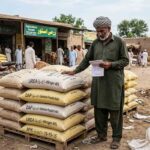
Farmers should buy fertilizers from trusted dealers. Low-quality or fake agricultural inputs can damage both crop and income.
Practical Fertilizer Advice for Punjab and Sindh
Rice farming conditions are not the same across Pakistan. Practical planning should match the local environment.
Punjab
In Basmati-growing areas of Punjab, balanced fertilizer use is very important. Too much nitrogen can reduce grain quality and increase lodging risk. Farmers should focus on split nitrogen application and proper phosphorus use at planting.
Sindh
In Sindh, rice is often grown in warmer conditions. Heat stress, salinity, and water management are major concerns in some areas. Potassium and zinc may be more useful in such conditions, especially where soils are weak or saline. Farmers should avoid excessive nitrogen under high temperatures.
General Advice
- Use soil test results whenever possible
- Apply organic matter before planting
- Do not rely only on one fertilizer
- Watch crop color and growth closely
- Adjust fertilizer according to variety and field condition
Conclusion
Choosing the Best Fertilizers for Rice Crop in Pakistan is a key step toward better yield, healthier plants, and improved profit. Rice needs a balanced supply of nitrogen, phosphorus, and potassium. In Pakistan, urea, DAP, and potash are the most common and useful fertilizers, but their success depends on proper timing, correct dose, and suitable field conditions.
Farmers should avoid overusing urea, ignoring potash, and applying fertilizer without understanding soil needs. A mix of organic and chemical fertilizers can give better long-term results. Whether you are farming in Punjab, Sindh, or another rice-growing area, smart fertilizer management can protect soil fertility and improve crop performance.
Helpful Summary and Actionable Tips for Farmers
Here are some simple and practical tips to remember:
- Use DAP at land preparation for better root growth and early crop establishment.
- Apply urea in split doses, not all at once.
- Do not ignore potash, especially in fields under continuous cropping.
- Add farmyard manure or compost before planting to improve soil health.
- If possible, get a soil test before deciding fertilizer quantity.
- Avoid applying urea in deep standing water.
- In Punjab, manage nitrogen carefully for better Basmati quality.
- In Sindh, pay more attention to heat stress, water management, and potassium use.
- Use zinc sulphate if zinc deficiency appears in the field.
- Always buy fertilizers from reliable dealers to avoid fake products.
Good fertilizer management does not mean spending more money. It means spending wisely. When farmers use the right fertilizer, in the right way, they give their rice crop the best chance to perform well.