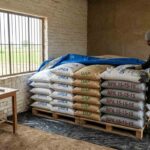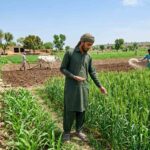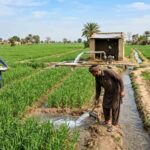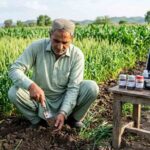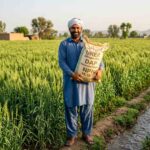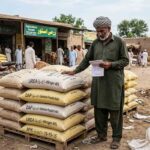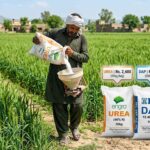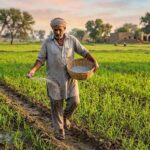
Cotton Crop Fertilizer Guide is one of the most important cash crops in Pakistan. A healthy cotton crop can give good yield, better quality fiber, and more profit for farmers. But for this, proper fertilizer use is very important. Many farmers spend money on fertilizer, but they do not always apply the right type at the right time. This can reduce crop growth and waste money.
In this guide, we will explain cotton crop fertilizer in very simple English. We will cover the main fertilizers like Urea, DAP, and NPK, the right time to use them, and practical tips from field experience. We will also include a proper fertilizer schedule for wheat because many farmers search for wheat fertilizer Pakistan and want guidance for both major crops.
If you are a farmer and want better results from your crop, this article will help you understand fertilizer use in an easy way.
Why Fertilizer Is Important for Cotton Crop
Cotton is a long-duration crop. It stays in the field for many months and needs enough nutrients during its full growth period. If the plant does not get proper food, it becomes weak. Weak plants produce fewer bolls, shed flowers, and give low yield.
Fertilizer helps cotton in many ways:
- Better root growth
- Stronger stem and branches
- More flowers and bolls
- Healthy leaves
- Better resistance against stress
- Higher yield and better quality
In Pakistan, many soils are low in organic matter and important nutrients. That is why balanced fertilizer use is necessary.
Main Nutrients Needed by Cotton
Cotton needs many nutrients, but the most important are:
Nitrogen (N)
Nitrogen helps in leaf growth and green color. It also supports plant growth in the early and middle stages.
If nitrogen is low:
- Leaves become pale
- Plant growth becomes slow
- Boll formation reduces
Too much nitrogen is also harmful. It can cause too much leafy growth and fewer bolls.
Phosphorus (P)
Phosphorus is important for:
- Root development
- Early growth
- Flower formation
- Energy transfer in the plant
If phosphorus is low, plants stay weak and roots remain poor.
Potash / Potassium (K)
Potassium helps in:
- Strong plant structure
- Water balance
- Disease tolerance
- Better boll formation
Potassium is very useful in stress conditions, especially heat and water shortage.
Common Fertilizers for Cotton in Pakistan
Farmers in Pakistan mostly use Urea, DAP, and NPK for cotton. Let us understand them simply.
Urea
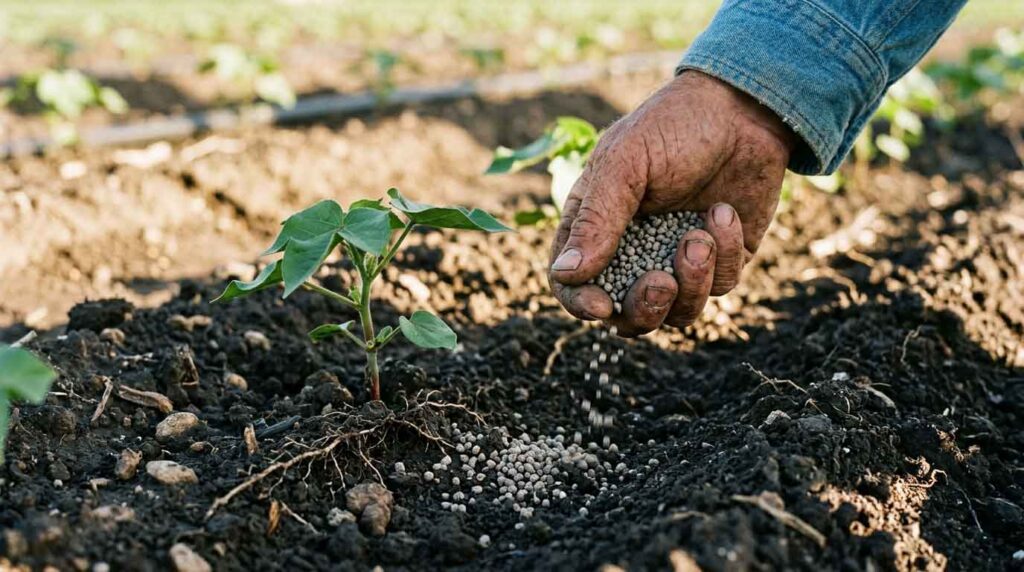
Urea is a nitrogen fertilizer. It contains 46% nitrogen. It is the most common fertilizer used in Pakistan.
Benefits of Urea
- Makes plants green and healthy
- Improves vegetative growth
- Helps in branch development
Important Tip
Do not apply all urea at one time. Split application gives better results and reduces loss.
DAP
DAP stands for Di-Ammonium Phosphate. It contains phosphorus and some nitrogen.
Benefits of DAP
- Helps in early root growth
- Improves plant establishment
- Supports flowering stage
Important Tip
DAP is best applied at the time of sowing or land preparation because phosphorus works better when placed early.
NPK
NPK fertilizer contains nitrogen, phosphorus, and potassium in one bag. Different grades are available in the market, such as 15-15-15 or 20-20-0, depending on the company and soil need.
Benefits of NPK
- Balanced nutrition
- Easy application
- Good for soils lacking multiple nutrients
Important Tip
Use NPK after checking your field need. Balanced fertilizer is better than using only one nutrient again and again.
Best Fertilizer Schedule for Cotton Crop
The exact fertilizer dose depends on soil type, variety, irrigation, and target yield. But for general guidance in Pakistan, farmers can follow a practical schedule.
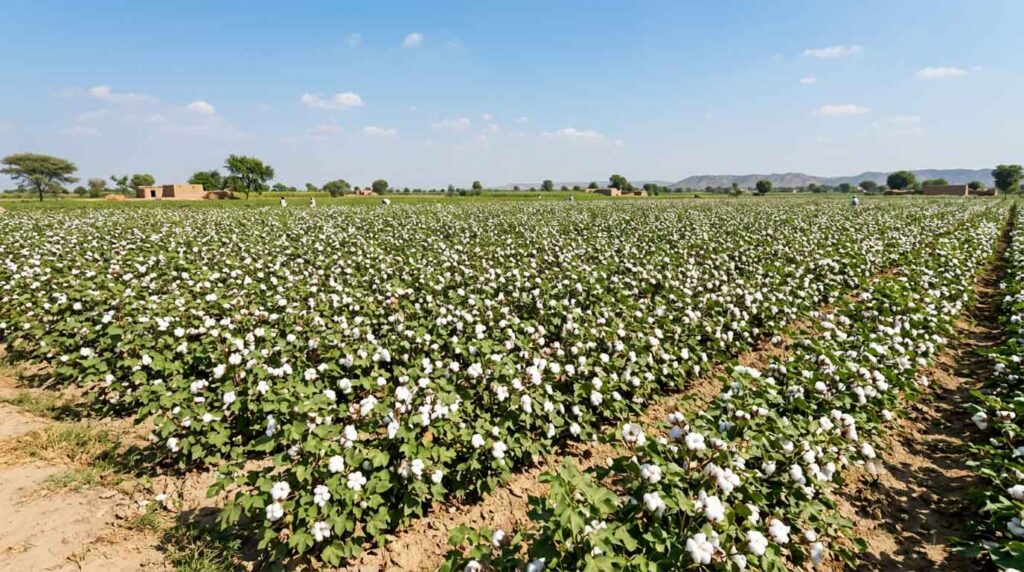
Recommended General Dose Per Acre for Cotton
A common fertilizer plan per acre may include:
- DAP: 1 to 2 bags
- Urea: 2 to 3 bags
- Potash or NPK: 1 bag if needed
- Zinc or boron: only if deficiency is seen or recommended by soil test
Always remember: soil test is the best way to know the exact requirement.
Stage-Wise Cotton Fertilizer Schedule
At Land Preparation or Sowing
Apply:
- Full DAP
- Half potash or full potash if using separately
- One-third nitrogen if needed
This helps in:
- Strong root growth
- Good plant start
- Better early vigor
First Irrigation or Early Growth Stage
Apply:
- One-third Urea
This stage is important for plant establishment and healthy growth.
Before Flowering
Apply:
- Remaining Urea
- Remaining potash if not applied earlier
This is the most important stage because the plant starts preparing for flowers and bolls.
At Boll Formation Stage
In weak fields or high-yield crops, farmers may apply a small extra dose of nitrogen carefully, but only if the crop needs it. Do not overuse nitrogen at this stage.
Practical Tips for Cotton Fertilizer Use
Good fertilizer use is not only about the bag. The method and timing also matter a lot.
1. Apply Fertilizer in Moist Soil
Never apply fertilizer in completely dry soil. Moist soil helps nutrients move into the root zone.
2. Do Not Broadcast Carelessly
If possible, place fertilizer near the plant rows. This improves nutrient use and reduces waste.
3. Split Nitrogen Application
Urea should be applied in 2 or 3 splits instead of one full dose. This gives better results and less loss.
4. Use Soil Test If Possible
Soil testing can save money. It tells you what the soil already has and what it lacks.
5. Add Organic Matter
Farmyard manure or compost improves soil health and helps fertilizer work better.
6. Watch the Crop Carefully
If leaves become yellow, growth is slow, or flowers drop too much, nutrient problem may be present. But do not guess too much. Check water, insects, and disease also.
7. Avoid Too Much Urea
Many farmers think more urea means more yield. This is not true. Too much nitrogen gives too many leaves and weak boll setting.
8. Fertilize After Weed Control
Weeds also eat fertilizer. So keep the field clean for better crop benefit.
Common Fertilizer Mistakes in Cotton Farming
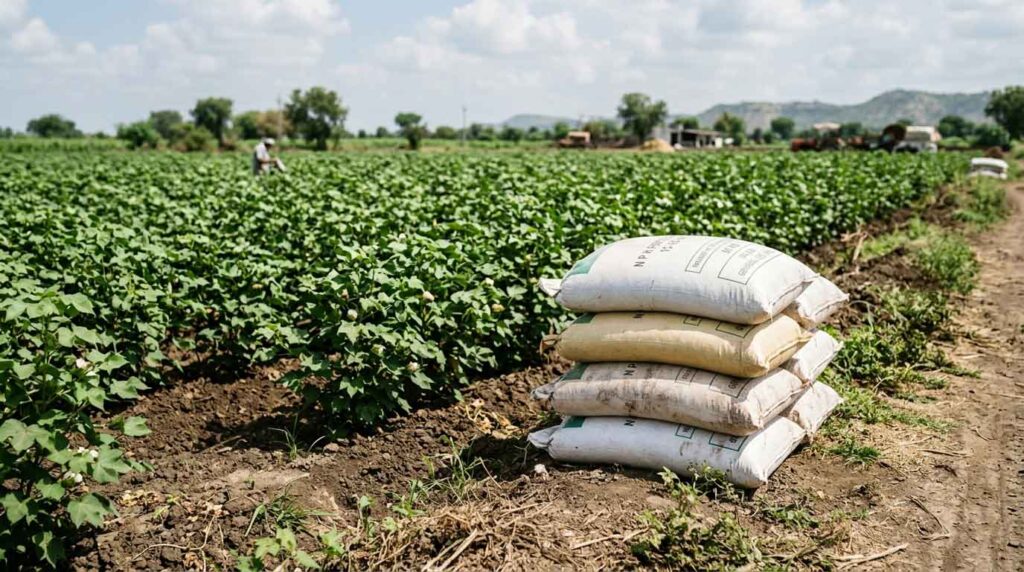
Farmers should avoid these common mistakes:
- Applying all fertilizer at once
- Using only urea and ignoring phosphorus and potassium
- Applying fertilizer in dry soil
- Applying before heavy rain or flood irrigation
- Not checking plant condition
- Using fertilizer without balancing irrigation
Balanced nutrition is always better than heavy use of one fertilizer.
Signs of Nutrient Deficiency in Cotton
Farmers should learn simple deficiency signs.
Nitrogen Deficiency
- Old leaves become yellow
- Plant growth slows down
- Crop looks weak
Phosphorus Deficiency
- Poor root growth
- Stunted plants
- Dark green or dull leaves
Potassium Deficiency
- Leaf edges may burn or dry
- Weak plant under heat stress
- Poor boll development
If you see these signs, review your fertilizer plan and field condition.
Can Foliar Spray Help Cotton?
Yes, foliar spray can help in some cases, especially for micronutrients like zinc or boron. But foliar spray cannot fully replace soil fertilizer like Urea, DAP, and NPK.
Foliar spray is useful when:
- Deficiency appears during crop growth
- Root uptake is weak
- Quick correction is needed
Always use the correct dose and do not spray in hot afternoon time.
Best Way to Increase Fertilizer Efficiency
To get better results from fertilizer, follow these simple steps:
- Sow on time
- Use good quality seed
- Keep field weed-free
- Irrigate properly
- Control pests and diseases
- Apply fertilizer in balanced form
- Use split doses
- Add organic manure when available
A healthy crop uses fertilizer more effectively than a stressed crop.
Conclusion
Cotton crop needs proper nutrition for strong growth, more flowers, and better boll production. In Pakistan, the most commonly used fertilizers are Urea, DAP, and NPK. Each one has its own role. Urea gives nitrogen, DAP supports roots and early growth, and NPK provides balanced nutrition.
The most important thing is to use fertilizer at the right time and in the right amount. Do not depend only on urea. Balanced fertilizer, proper irrigation, and clean field management can improve yield and profit.
We also included a useful guide for wheat fertilizer Pakistan because many farmers need help for both cotton and wheat crops. Whether you are growing cotton or wheat, smart fertilizer use can save money and give better production.
FAQs
1. Which fertilizer is best for cotton in Pakistan?
There is no single best fertilizer. Cotton usually needs a balanced use of Urea, DAP, and sometimes NPK or potash. Soil test gives the best answer.
2. How many bags of urea are needed per acre for cotton?
In general, 2 to 3 bags of urea per acre may be used, depending on soil condition, irrigation, and target yield. Split application is better.
3. When should DAP be applied in cotton?
DAP should mostly be applied at sowing time or during land preparation because phosphorus is most useful in early plant growth.
4. What is the best wheat fertilizer Pakistan schedule?
A common wheat fertilizer Pakistan schedule is full DAP and half urea at sowing, then remaining urea at first irrigation. Adjust according to soil test and crop condition.
5. Can I use only urea for cotton or wheat?
No, using only urea is not a good idea. Crops also need phosphorus and potassium. Balanced fertilizer gives b