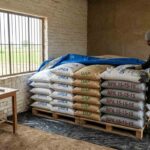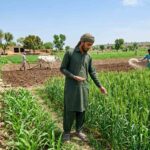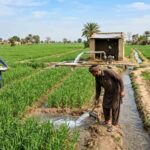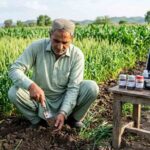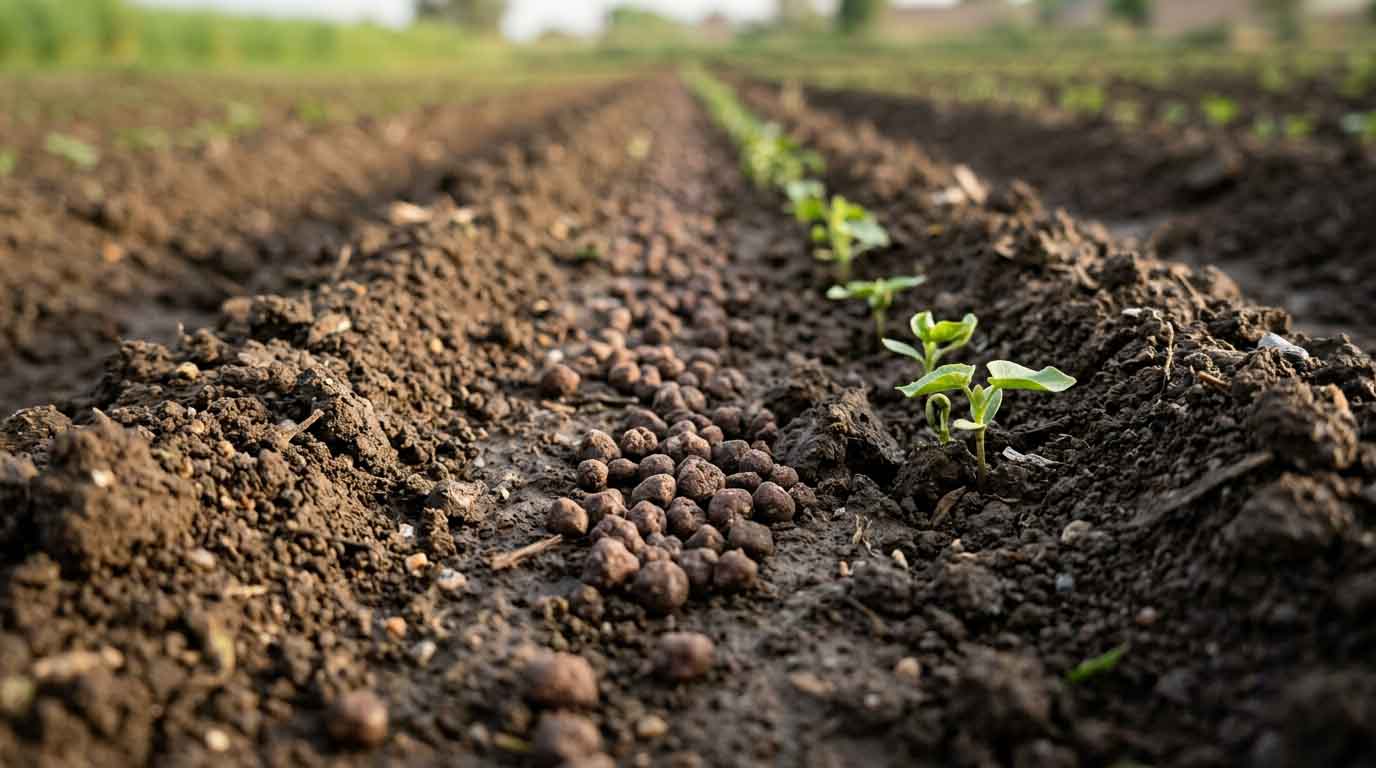
DAP Fertilizer DAP fertilizer is one of the most important fertilizers used by farmers in Pakistan. Whether you grow wheat, maize, rice, sugarcane, vegetables, or fruit trees, you have probably heard about DAP many times. It is commonly used at the time of sowing because it helps crops start strong.
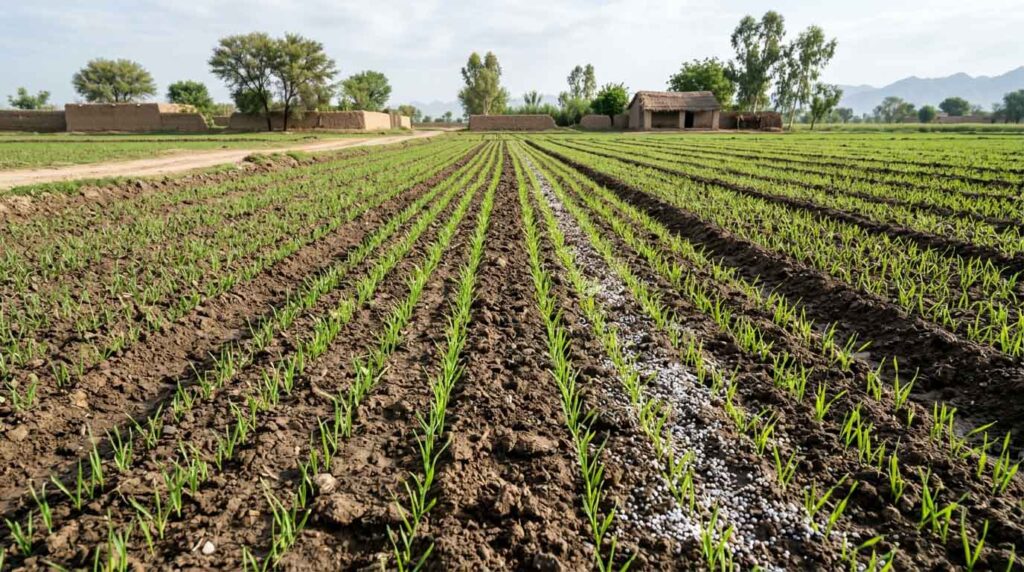
In Pakistan, many farmers know that urea gives green growth, but they do not always pay equal attention to phosphorus. This is where DAP becomes very important. It gives phosphorus and some nitrogen, both of which are needed for healthy crop growth. If crops do not get enough phosphorus in the early stage, roots remain weak, growth becomes slow, and final yield may decrease.
This complete guide will explain what DAP fertilizer is, its benefits, how to use it step by step, and how Pakistani farmers can get the best results from it. The language is simple and practical, so it is easy to understand.
What Is DAP Fertilizer?
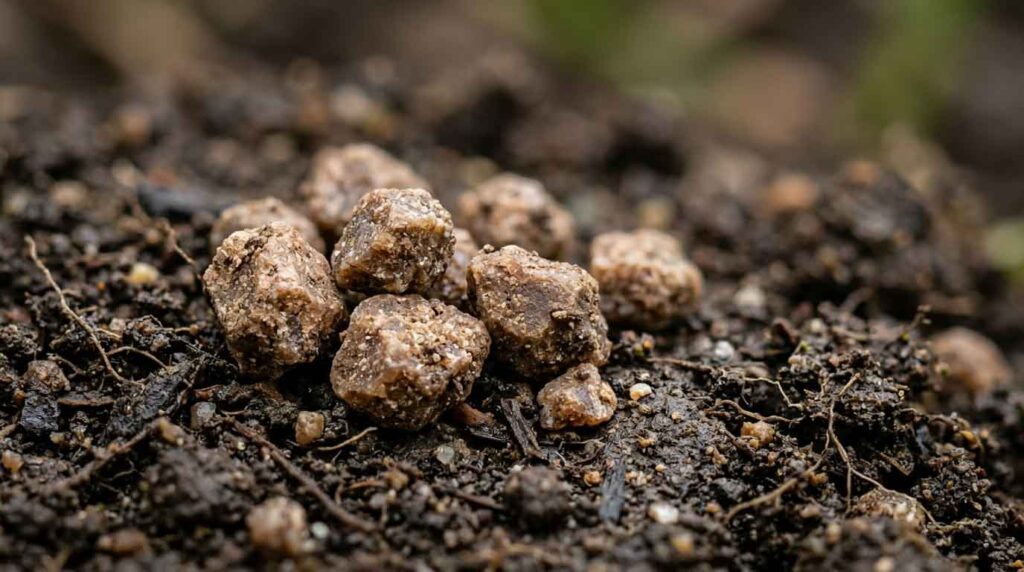
DAP stands for Diammonium Phosphate. It is a chemical fertilizer that contains:
- Phosphorus
- Nitrogen
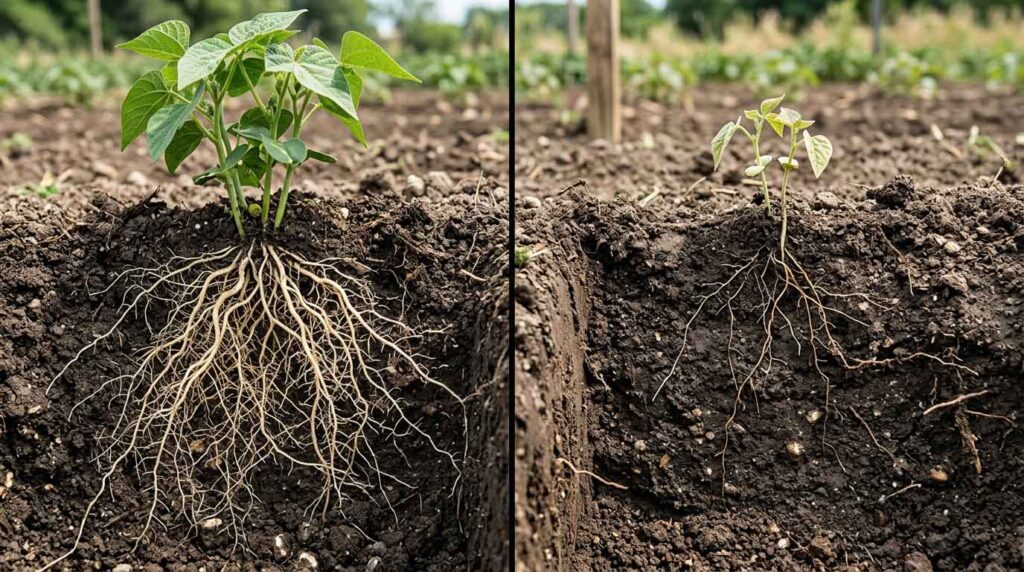
DAP is mostly used to provide phosphorus to crops. Phosphorus is very important for root growth, early plant development, flowering, and strong crop establishment.
In simple words, DAP helps plants make a good start. A crop with strong roots can absorb water and nutrients better, and this leads to healthier growth and better production.
Why DAP Fertilizer Is Important for Crops
Many farmers in Pakistan focus more on urea because it gives a quick green effect. But phosphorus works quietly inside the plant and gives long-term benefits. DAP is valuable because it supports the crop from the beginning.
Main benefits of DAP fertilizer
- Helps strong root development
- Improves early crop growth
- Supports better tillering in some crops
- Helps plants use water more efficiently
- Improves flowering and fruiting
- Supports better yield
If DAP is not used properly, crops may have weak roots and poor start, especially in soils that are already low in phosphorus.
Why DAP Is Commonly Used in Pakistan
DAP is popular in Pakistan because many of our soils need phosphorus, especially in intensive farming areas. Farmers in Punjab, Sindh, Khyber Pakhtunkhwa, and Balochistan often use DAP as a basal fertilizer, which means it is applied at sowing or planting time.
Common reasons for using DAP in Pakistan
- Useful for wheat, maize, rice, sugarcane, vegetables, and orchards
- Good for root growth
- Supports better crop establishment
- Easy to combine with other fertilizers
- Widely available in the market
However, because DAP prices can be high, farmers should use it carefully and according to crop need.
Nutrients Found in DAP Fertilizer
DAP mainly supplies two nutrients:
Phosphorus
Phosphorus is the key nutrient in DAP. It helps with:
- Root development
- Early plant strength
- Flower and seed formation
- Better crop maturity
Nitrogen
DAP also provides some nitrogen. This supports:
- Early vegetative growth
- Green leaf development
- Better crop establishment
But remember, DAP does not provide enough nitrogen for the whole season. That is why farmers usually also use Urea later in the crop.
Best Fertilizers Used in Pakistan
Pakistani farmers commonly use three major fertilizers:
Urea
Urea is mainly used for nitrogen. It helps crops grow green leaves and strong stems. It is usually applied after sowing in split doses.
DAP
DAP is used mainly for phosphorus and some nitrogen. It is best for root growth and early crop development.
NPK
NPK fertilizers contain nitrogen, phosphorus, and potassium. They are useful when crops need balanced nutrition.
Which one is best?
There is no single best fertilizer for every crop. The best result comes when Urea, DAP, and NPK are used in a balanced way according to crop stage and soil condition.
Crops That Respond Well to DAP in Pakistan
DAP is useful in many crops grown in Pakistan, such as:
- Wheat
- Maize
- Rice
- Sugarcane
- Cotton
- Vegetables
- Pulses
- Oilseed crops
- Mango and citrus orchards
In all these crops, DAP is most useful at the early stage.
Step-by-Step Guide: How to Use DAP Fertilizer
Correct use of DAP is very important. If it is applied in the wrong way, farmers may not get full benefit. Below is a simple step-by-step guide.
Step 1: Know the Crop Requirement
Before using DAP, understand the needs of your crop.
Ask these questions:
- Is the crop in early growth stage?
- Is the land low in phosphorus?
- Is this a sowing or transplanting stage?
- Has any other fertilizer already been applied?
DAP is most useful when the crop needs strong root development in the beginning.
Step 2: Apply DAP at Sowing or Planting Time
DAP works best when applied at the time of sowing or planting. This allows the young roots to absorb phosphorus early.
Best stages for use:
- At wheat sowing
- At maize sowing
- At rice nursery or transplanting stage
- At vegetable planting
- In orchard basins before active growth
This is why DAP is called a starter fertilizer in many cases.
Step 3: Place DAP Properly in the Soil
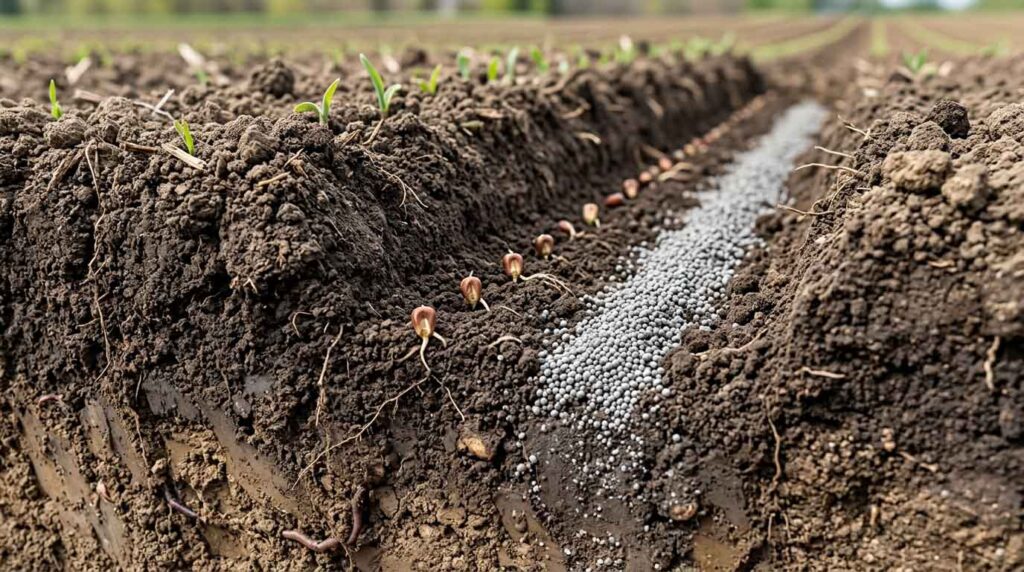
Placement matters a lot. DAP should not be thrown randomly if you want the best result.
Best application methods
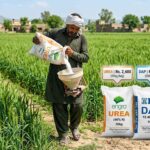
Band Placement
This method is very effective. Place DAP slightly below or to the side of the seed.
Benefits:
- Better nutrient availability
- Less fertilizer loss
- Strong early root growth
Broadcasting and Mixing
If broadcasting is used, then mix DAP well into the soil before sowing.
Best for:
- Large field crops
- Land preparation stage
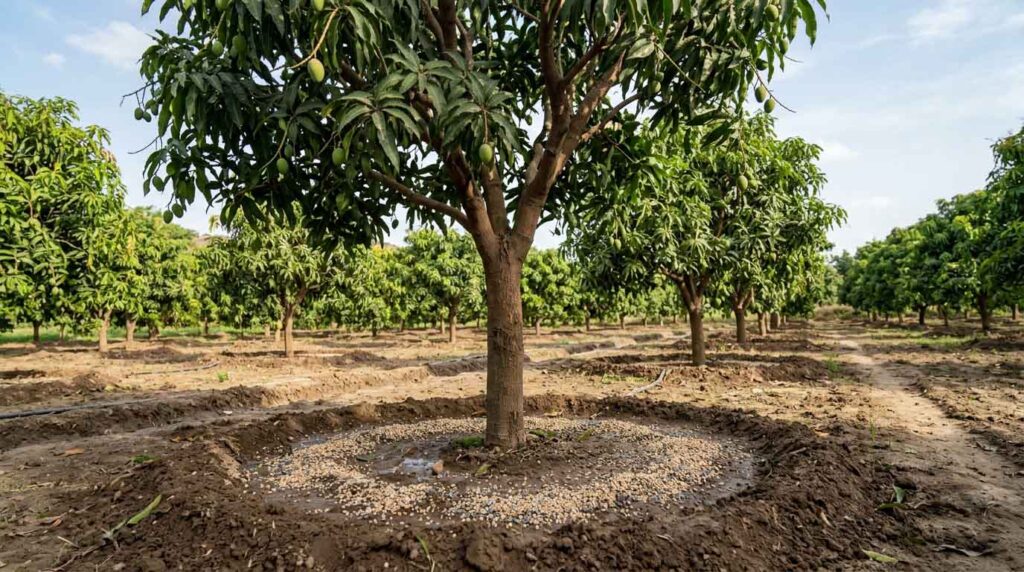
Basin Application for Fruit Trees
For orchards, apply DAP around the tree basin under the canopy, not too close to the trunk.
Step 4: Do Not Place DAP Directly on Seeds
This is an important point. DAP should not directly touch seeds in high quantity because it may affect germination.
Good practice:
- Keep slight distance from the seed
- Place in a band near the seed row
- Cover with soil
This gives better safety and better fertilizer use.
Step 5: Use Urea Later for Nitrogen Requirement
DAP gives some nitrogen, but not enough for the whole crop cycle. After the crop is established, farmers should usually apply Urea according to crop need.
For example:
- DAP at sowing
- Urea at first irrigation
- Another Urea dose later if needed
This combination is very common in Pakistan.
Step 6: Use NPK Where Balanced Nutrition Is Needed
In some soils or crops, only DAP and Urea may not be enough. Potassium may also be needed. In that case, NPK fertilizer can be used.
This is especially useful in:
- Vegetables
- Orchards
- High-value crops
- Soils with nutrient imbalance
Best Time to Apply DAP Fertilizer
DAP is usually most effective when used early.
Best timing
- At land preparation
- At sowing
- At transplanting
- Before first irrigation if mixed in soil
Avoid late application
Phosphorus is most useful in the early stage. If DAP is applied too late, the crop may not benefit fully.
DAP Use in Major Crops of Pakistan
DAP for Wheat
Wheat needs phosphorus for root development and early growth.
Practical use:
- Apply DAP at sowing
- Use with proper seed drill placement if possible
- Follow with Urea at first irrigation
DAP for Maize
Maize needs a strong start for better growth.
Practical use:
- Apply at sowing
- Place near seed but not directly touching it
- Add Urea later in split doses
DAP for Rice
Rice also responds to phosphorus, especially in nursery and early transplanted crop.
Practical use:
- Use before transplanting or at puddling stage
- Balance with nitrogen later
DAP for Vegetables
Vegetables need strong roots and healthy early growth.
Practical use:
- Mix in soil before planting
- Use balanced NPK later if needed
DAP for Orchards
Fruit trees like mango and citrus need phosphorus for root strength and healthy development.
Practical use:
- Apply in basin around the tree
- Mix lightly with soil
- Irrigate after application
Practical Tips for Farmers
Here are some helpful tips for better DAP use in Pakistan:
- Apply DAP at sowing or planting time
- Place it near roots, not far away
- Do not put it directly on seeds
- Use with Urea for better nitrogen management
- Add NPK if your crop also needs potassium
- Mix with soil for better results
- Use soil testing if possible
- Do not depend on only one fertilizer
- In dry soil, apply before irrigation
- For orchards, apply under canopy area, not near trunk
These small steps can improve fertilizer efficiency and crop yield.
Common Mistakes Farmers Should Avoid
Many farmers do not get full benefit from DAP because of simple mistakes.
Avoid these mistakes
- Applying DAP too late
- Using only Urea and ignoring phosphorus
- Placing DAP directly with seed
- Using random quantity without crop need
- Not balancing with other fertilizers
- Applying on unsuitable dry soil without planning irrigation
A balanced and timely fertilizer plan always works better.
Signs That Your Crop May Need Phosphorus
Phosphorus deficiency can reduce crop growth. Farmers should watch for these signs:
- Slow early growth
- Weak root development
- Dark green or dull leaves
- Poor tillering
- Delayed maturity
- Weak flowering or fruiting
If these signs appear often, soil phosphorus may be low.
More Related Articles
Conclusion
DAP fertilizer is one of the most valuable fertilizers for farmers in Pakistan. It gives phosphorus and nitrogen, both of which are important for early crop growth and strong root development. DAP is especially useful at sowing or planting time, when crops need a healthy start.
To get the best result, farmers should apply DAP at the right stage, place it properly in the soil, and combine it with other fertilizers like Urea and NPK when needed. Using DAP in a balanced way can improve crop health, yield, and profit.
Instead of using fertilizer blindly, farmers should follow crop need, soil condition, and proper timing. Good fertilizer management is one of the best ways to improve farming results in Pakistan.
FAQ About DAP Fertilizer
1. What is DAP fertilizer used for?
DAP fertilizer is mainly used to supply phosphorus to crops. It also gives some nitrogen. It is best for root growth and early crop development.
2. When should I apply DAP fertilizer?
DAP should usually be applied at sowing, planting, or transplanting time because phosphorus is most useful in the early growth stage.
3. Can I use DAP without Urea?
DAP gives some nitrogen, but usually not enough for the full crop season. In most crops, Urea is also needed later for proper growth.
4. Which is better: Urea, DAP, or NPK?
Each fertilizer has a different job. Urea gives nitrogen, DAP gives phosphorus and some nitrogen, and NPK gives balanced nutrition. The best choice depends on crop stage and soil need.