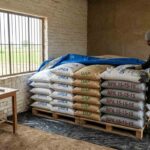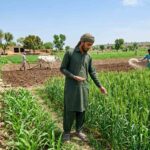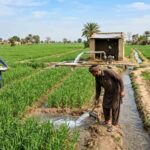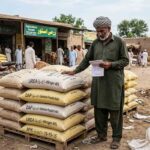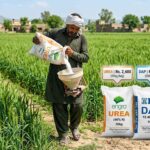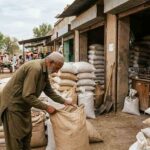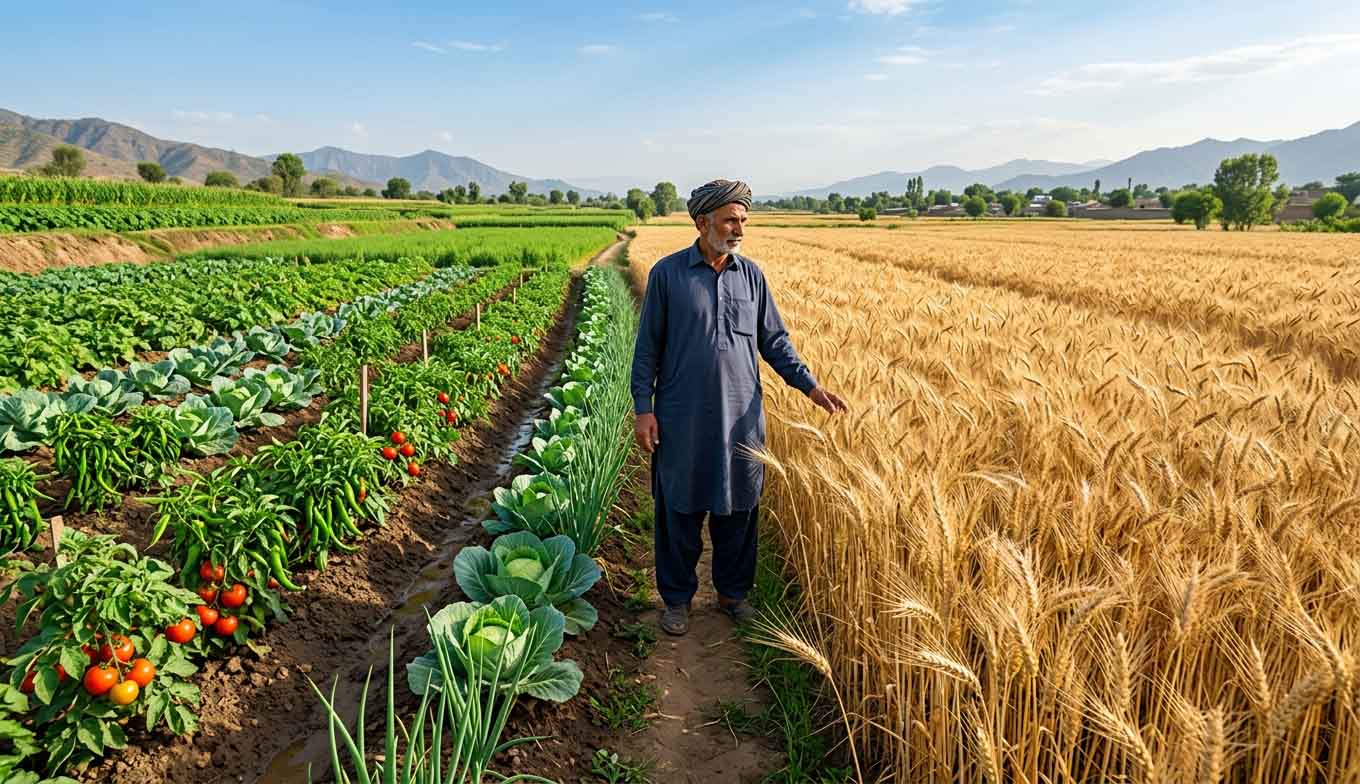
Vegetables and Wheat in Pakistan Farming is not only about sowing seeds and waiting for the crop. Good production depends a lot on proper fertilizer use. In Pakistan, many farmers apply fertilizer without a full plan. Sometimes they use too much, and sometimes too little. This can reduce yield, waste money, and weaken the crop.
There are too many farmers they plant Vegetables and Wheat in Pakistan.
A proper fertilizer application schedule helps crops grow strong from the start. It improves root growth, leaf growth, flowering, and grain or vegetable production. For vegetable growers and wheat farmers, timing is just as important as the fertilizer itself.
In this article, we will explain a simple and practical fertilizer schedule for different vegetables and also give a proper plan for wheat. We will use easy English so every farmer can understand and apply it in the field. If you are searching for the best guide on wheat fertilizer Pakistan, this article will help you.
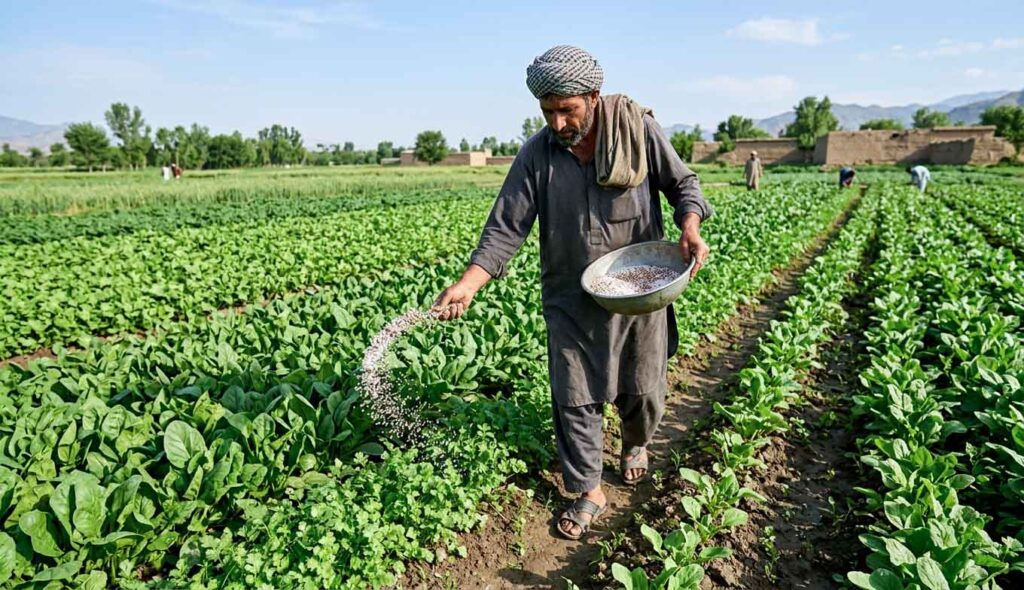
Why Fertilizer Schedule Is Important
Every crop needs food at different stages. A young plant needs one type of support, while a flowering or grain-filling crop needs another. If fertilizer is applied at the wrong time, the plant cannot use it properly.
Benefits of a Proper Fertilizer Schedule
- Better seed germination and root growth
- Healthy green leaves
- Strong stems and branches
- More flowers, fruits, and grains
- Better crop quality
- Higher yield
- Less fertilizer waste
- More profit for farmers
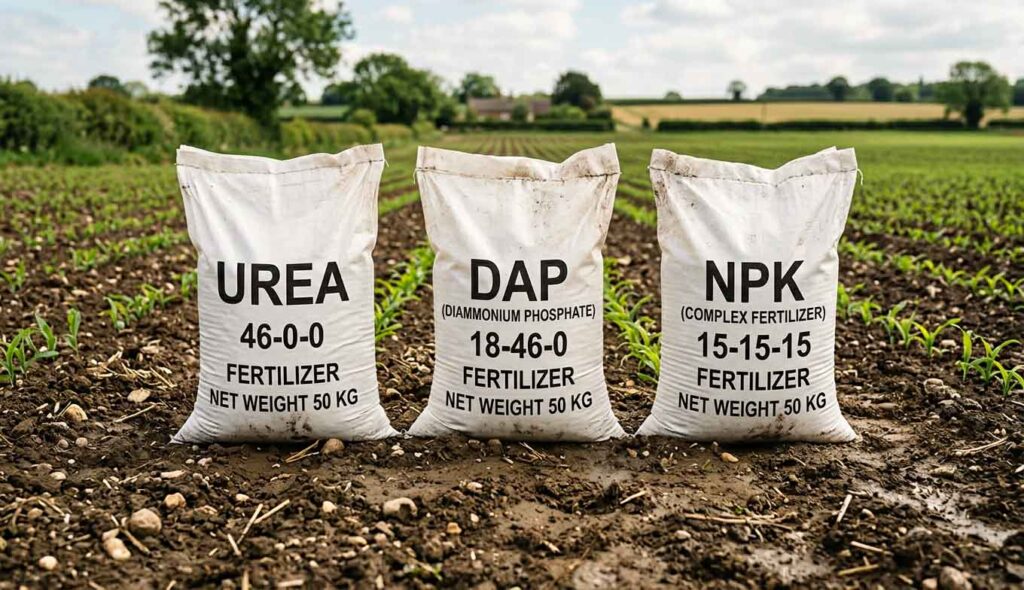
Common Fertilizer Types Used in Pakistan
The most common fertilizers used by Pakistani farmers are:
Urea
- Gives nitrogen
- Helps in green leafy growth
- Makes plants grow fast
- Should be used carefully because too much can burn plants
DAP
- Full name: Diammonium Phosphate
- Gives phosphorus and some nitrogen
- Best for root development and early crop growth
- Mostly applied at sowing time
NPK
- Contains Nitrogen, Phosphorus, and Potash
- Good balanced fertilizer
- Useful for vegetables, especially during growth and fruiting stages
General Fertilizer Rules for Vegetables
Before we discuss each vegetable, here are some simple rules every farmer should follow:
- Always apply well-rotted farmyard manure before sowing
- Use DAP at sowing for strong roots
- Use Urea in split doses, not all at one time
- Use NPK where balanced nutrition is needed
- Irrigate after fertilizer application if soil is dry
- Avoid applying fertilizer on very wet leaves
- Do not apply Urea just before heavy rain
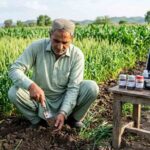
- Soil testing is best if available
Fertilizer Application Schedule for Common Vegetables
Different vegetables need different fertilizer plans. Below is a practical schedule for some common vegetables grown in Pakistan.
From Last 02 years Vegetables and Wheat in Pakistan IS In loss due to low rate on parchasing.
1. Tomato Fertilizer Schedule
Tomato is a heavy feeder. It needs good nutrition from transplanting to fruiting.
At Land Preparation
- Add 8-10 trolley well-rotted farmyard manure per acre
- Apply:
- DAP: 1 bag per acre
- NPK: 1 bag per acre
After Transplanting
- 15-20 days after transplanting:
- Urea: 1/2 bag per acre
At Flowering Stage
- Apply:
- Urea: 1/2 bag per acre
- NPK: 1/2 to 1 bag per acre
At Fruit Setting
- Another light dose of Urea can be applied if plants are weak
Practical Tip
Do not give too much nitrogen in tomato. Too much Urea gives more leaves and fewer fruits.
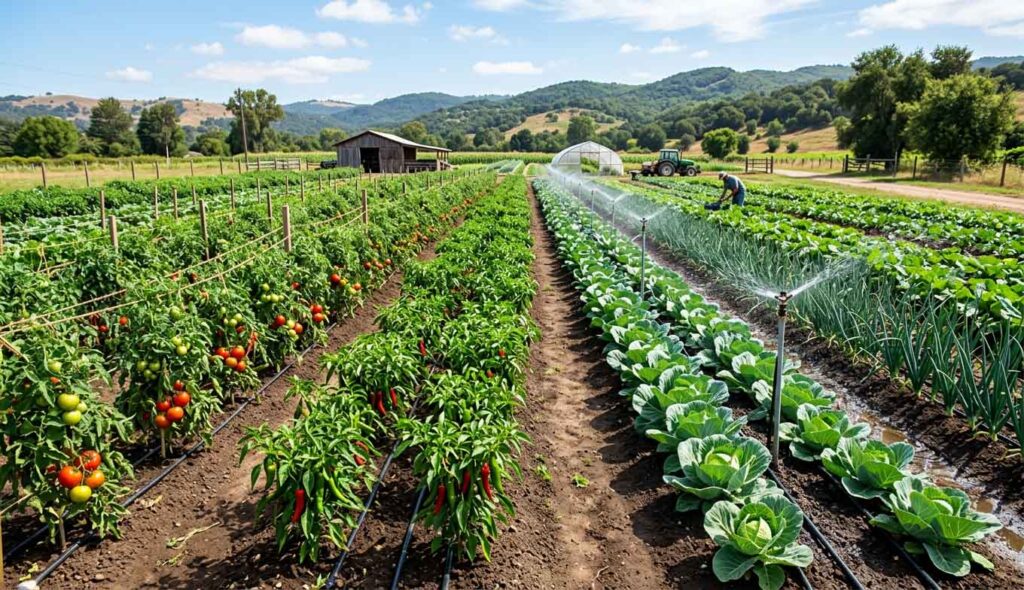
2. Onion Fertilizer Schedule
Onion needs balanced feeding. It does not like heavy doses at one time.
At Sowing or Transplanting
- Farmyard manure: 6-8 trolley per acre
- DAP: 1 bag per acre
- Potash or NPK: 1 bag per acre
First Top Dressing
- 25-30 days after planting:
- Urea: 1/2 bag per acre
Second Top Dressing
- 45-50 days after planting:
- Urea: 1/2 bag per acre
Practical Tip
Stop heavy nitrogen near bulb maturity. Too much late Urea can affect bulb quality and storage.
3. Potato Fertilizer Schedule
Potato needs proper nutrition for tuber formation. Potash is very useful in this crop.
Before Planting
- Farmyard manure: 8-10 trolley per acre
- DAP: 1 to 1.5 bags per acre
- NPK: 1 to 1.5 bags per acre
First Top Dressing
- 25 days after germination:
- Urea: 1/2 bag per acre
Second Top Dressing
- At earthing-up stage:
- Urea: 1/2 bag per acre
Practical Tip
Do not apply too much Urea late in the crop. It may increase foliage but reduce tuber development.
4. Chili Fertilizer Schedule
Chili requires regular feeding because it keeps producing fruit for a long time.
At Land Preparation
- Farmyard manure: 8-10 trolley per acre
- DAP: 1 bag per acre
- NPK: 1 bag per acre
After Transplanting
- 20 days after transplanting:
- Urea: 1/2 bag per acre
At Flowering
- Urea: 1/2 bag per acre
- NPK: 1/2 bag per acre
During Fruit Picking
- Light dose of Urea after every 2-3 pickings if crop is weak
Practical Tip
In chili, balanced fertilizer gives better fruit size and color. Only Urea is not enough.
5. Cauliflower and Cabbage Fertilizer Schedule
These crops need strong vegetative growth in the early stage.
Before Transplanting
- Farmyard manure: 8 trolley per acre
- DAP: 1 bag per acre
- NPK: 1 bag per acre
First Top Dressing
- 20-25 days after transplanting:
- Urea: 1/2 bag per acre
Second Top Dressing
- 40-45 days after transplanting:
- Urea: 1/2 bag per acre
Practical Tip
Apply fertilizer in moist soil and keep it away from direct contact with plant stem.
6. Okra (Bhindi) Fertilizer Schedule
Okra is a common summer vegetable in Pakistan and responds well to split fertilizer doses.
At Sowing
- Farmyard manure: 5-6 trolley per acre
- DAP: 1 bag per acre
- NPK: 1/2 to 1 bag per acre
First Top Dressing
- 20-25 days after germination:
- Urea: 1/2 bag per acre
Second Top Dressing
- At flowering:
- Urea: 1/2 bag per acre
Practical Tip
Regular picking encourages more pods. Balanced fertilizer helps continuous production.
More related articles
- Recommended Fertilizer Quantity per Acre for Maize in Pakistan
- Sugarcane Fertilizer Guide in Pakistan Complete Plan for Maximum Yield
- Best Fertilizers for Rice Crop in Pakistan
Wheat Fertilizer Schedule in Pakistan
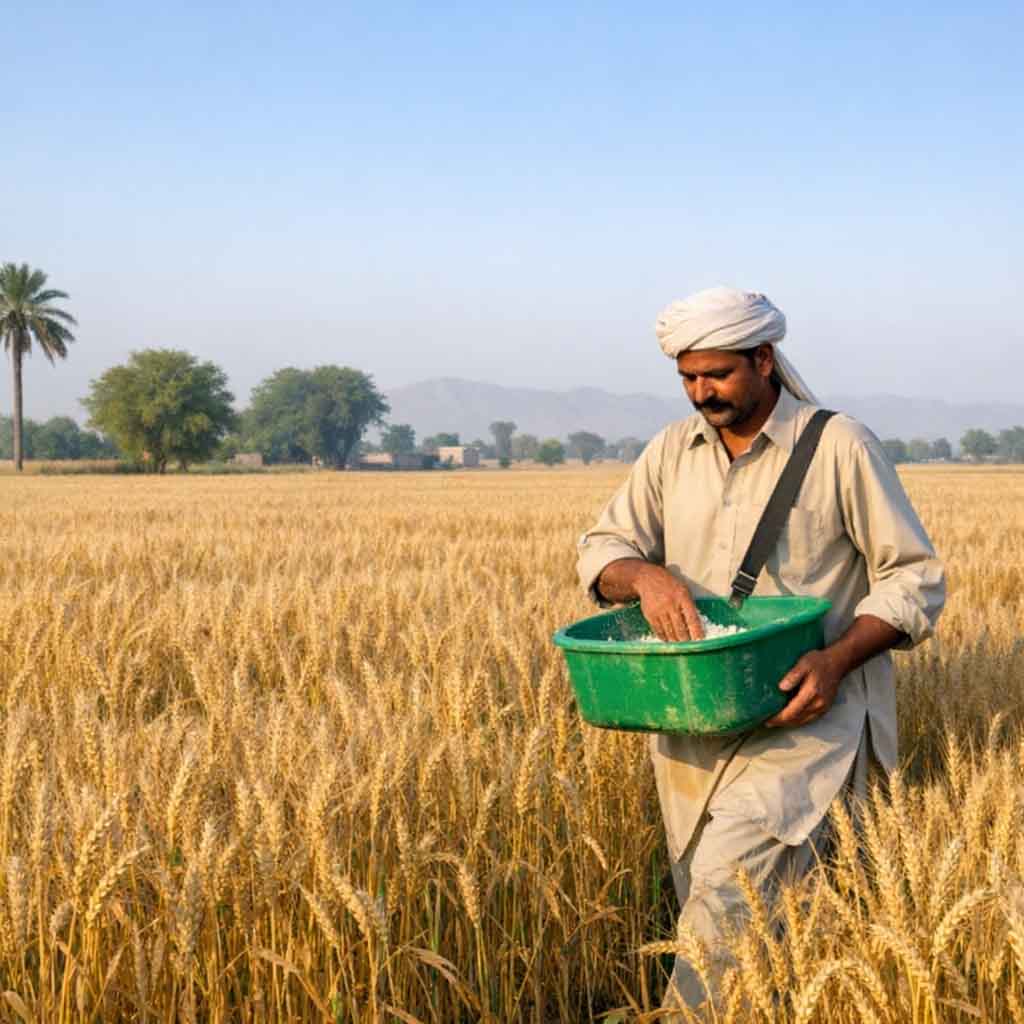
Vegetables and Wheat in Pakistan Now let us come to the most important crop for many farmers: wheat. Many growers search for the best wheat fertilizer Pakistan guide because correct fertilizer timing can make a big difference in yield.
Wheat needs nitrogen, phosphorus, and sometimes potash depending on soil condition. In Pakistan, Urea and DAP are the most common fertilizers for wheat. NPK can also be used where balanced nutrition is needed.
Best Wheat Fertilizer Pakistan Plan
A simple and practical schedule for wheat per acre is given below.
At Land Preparation or Sowing
Apply these fertilizers at the time of sowing:
- DAP: 1 bag per acre
- Urea: 1/2 bag per acre
- NPK: 1/2 bag per acre if soil is weak or potash is needed
This first dose helps:
- Root development
- Early plant establishment
- Better tillering start
First Irrigation Stage
Apply at first irrigation:
- Urea: 1/2 to 1 bag per acre
This is a very important stage. Wheat needs nitrogen when the crop starts active growth.
Second Irrigation Stage
Apply at second irrigation:
- Urea: 1/2 bag per acre
This improves:
- Tillering
- Plant height
- Leaf health
- Grain formation support
Optional Third Dose
If crop color is light green and soil is poor, then at third irrigation:
- Urea: 1/4 to 1/2 bag per acre
Do not apply excessive Urea too late, especially when the crop is near heading stage.
Simple Wheat Fertilizer Schedule Table
Per Acre Wheat Fertilizer Pakistan Schedule
- At sowing
- DAP: 1 bag
- Urea: 1/2 bag
- NPK: 1/2 bag if needed
- At first irrigation
- Urea: 1/2 to 1 bag
- At second irrigation
- Urea: 1/2 bag
- At third irrigation (only if needed)
- Urea: 1/4 to 1/2 bag
Important Tips for Wheat Farmers
To get the best results from wheat fertilizer Pakistan, follow these practical tips:
1. Do Not Apply All Urea at Sowing
Wheat cannot use all nitrogen at one time. Split application gives better results.
2. Use DAP at Sowing
DAP is very useful at early stage because it strengthens roots.
3. Apply Fertilizer with Moisture
If soil is dry, fertilizer may not work properly. Apply before irrigation or in moist soil.
4. Avoid Late Heavy Nitrogen
Too much late Urea can cause weak plants, lodging, and unnecessary leaf growth.
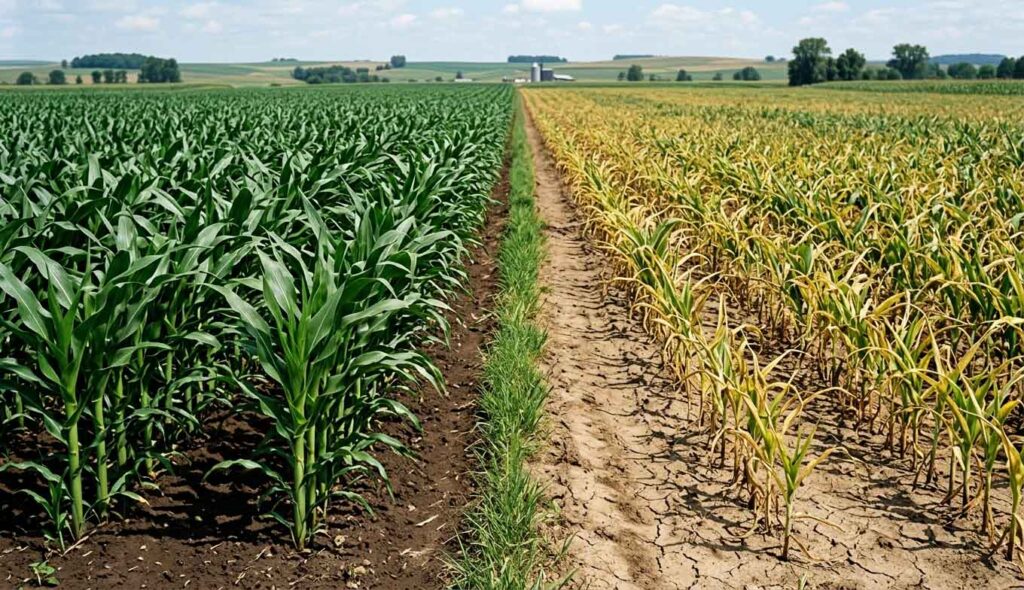
5. Watch Crop Color
- Dark healthy green = crop is fine
- Light green or yellow = may need nitrogen
6. Use Soil Test If Possible
This is the best way to know if your field needs NPK or only Urea and DAP.
Practical Field Tips for Vegetable and Wheat Growers
Here are some easy field tips that can save money and improve yield:
- Always level the field properly before sowing
- Use quality seed with proper fertilizer
- Do not mix fertilizer directly with seed in high amount
- Apply fertilizer a little away from plant root or stem
- Use split doses for Urea
- Irrigate on time after fertilizer use
- Keep weeds under control because weeds also eat fertilizer
- Use organic manure to improve soil health
- Do not copy your neighbor’s fertilizer plan without checking your own soil and crop condition
Common Mistakes Farmers Should Avoid
Many farmers lose yield because of small mistakes. Avoid these common problems:
- Applying too much Urea at once
- Ignoring DAP at sowing
- Applying fertilizer in dry soil without irrigation
- Using too much nitrogen in fruiting vegetables
- Late fertilizer application when crop has already passed the main stage
- Not observing plant color and growth
- Depending only on one fertilizer for all crops
Conclusion
Vegetables and Wheat in Pakistan Fertilizer is one of the biggest tools for getting high yield in vegetables and wheat. But fertilizer gives best results only when used at the right time and in the right amount. Urea helps leafy growth, DAP supports roots and early growth, and NPK gives balanced nutrition.
For vegetables like tomato, onion, potato, chili, cabbage, cauliflower, and okra, split fertilizer application is very helpful. For wheat, a proper dose at sowing and then Urea at irrigation stages can greatly improve production.
If you want better results from your crop, do not just buy fertilizer—make a schedule. A simple fertilizer plan can save money and increase profit. For farmers searching for the best wheat fertilizer Pakistan advice, the key is simple: use DAP at sowing, apply Urea in split doses, and watch your crop carefully.
FAQs
1. Which fertilizer is best for wheat in Pakistan?
For most fields, DAP at sowing and Urea in split doses is a very good plan. In weak soils, NPK can also be used. This is a common and effective wheat fertilizer Pakistan strategy.
2. How many bags of Urea should be used in wheat per acre?
Usually, 1.5 to 2 bags of Urea per acre are used in split doses, depending on soil fertility, variety, and crop condition.
3. When should DAP be applied in wheat?
DAP should be applied at sowing time. It helps root growth and early plant establishment.
4. Can I use only Urea for vegetables?
No. Urea gives nitrogen only. Vegetables also need phosphorus and potash. That is why DAP and NPK are also important.
5. Why is split fertilizer application better?
Split application helps the crop use nutrients at the right time. It reduces waste, saves money, and improves yield.