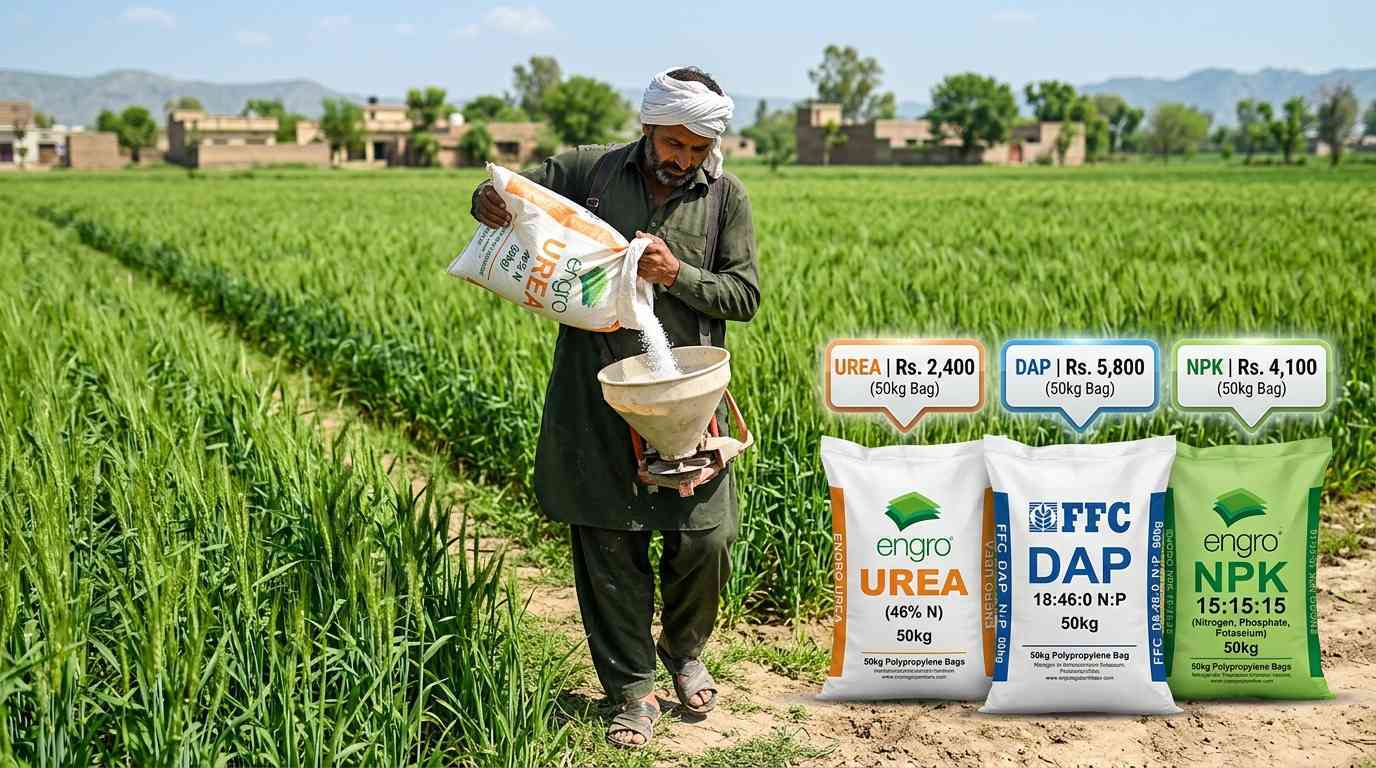
Pakistan Monthly Fertilizer Rates Farming in Pakistan depends heavily on good fertilizer use. Every month, thousands of farmers visit local markets to check the latest rates before buying bags for their crops.
Knowing the Pakistan monthly fertilizer rates helps farmers plan their budget, choose the right time to buy, and avoid paying extra money during peak seasons. In this guide, we will explain the monthly price trends for Urea, DAP, and NPK, why these prices move up and down, and how farmers can use this information to save money and get better crops.
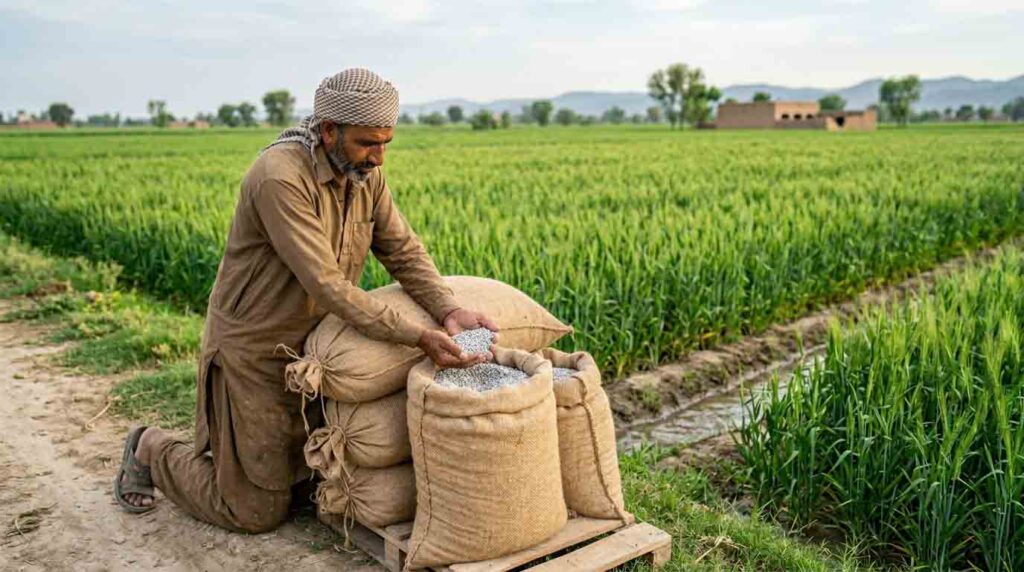
Why Do Fertilizer Prices Change Every Month?
Unlike some goods that stay at the same price for long periods, fertilizer rates in Pakistan often change from month to month. This happens because of many reasons connected to farming cycles and market conditions.
Main reasons for monthly price changes:
- Crop seasons: When sowing time comes near, demand rises and prices often go up
- Factory production: Gas supply to fertilizer plants affects how much urea is available each month
- Import costs: DAP and some NPK types come from abroad, so dollar rates affect monthly prices
- Transport expenses: Fuel price changes can add or reduce the final bag cost
- Storage by dealers: Sometimes dealers hold stock waiting for higher rates, causing temporary shortages
- Government policies: Subsidy announcements or tax changes can suddenly shift prices
Understanding these patterns helps farmers decide whether to buy now or wait for the next month.
Monthly Price Trends for Urea in Pakistan
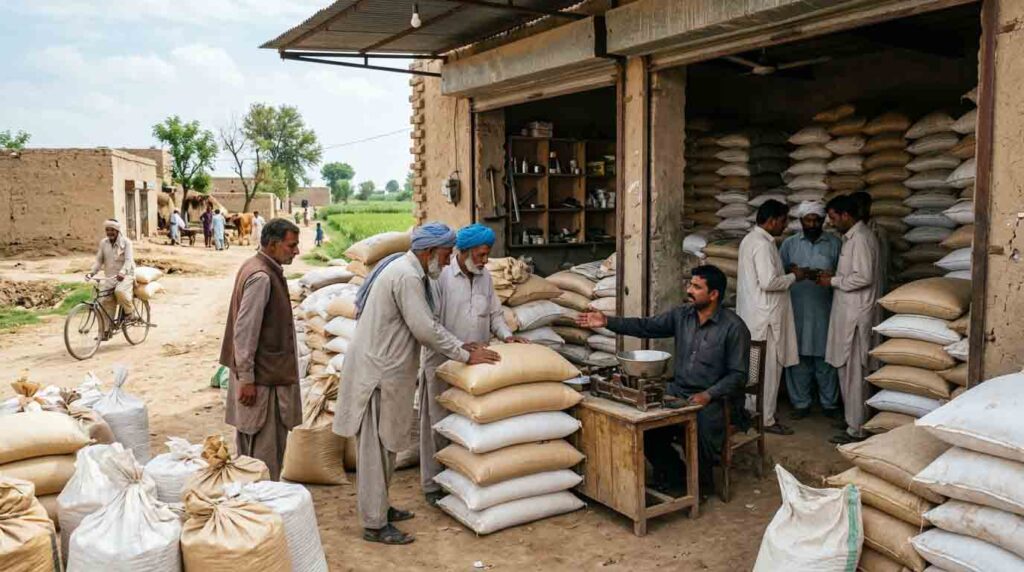
Urea is the most widely used fertilizer in Pakistan. Farmers apply it to wheat, rice, cotton, maize, sugarcane, and vegetables. Because it is used so much, its price is watched carefully every month.
Typical monthly pattern:
October to November: Prices usually rise because wheat sowing season starts. Every farmer wants urea, so demand is very high.
December to January: Rates may stay high or slowly come down after the first rush of wheat sowing ends.
February to March: Prices often become more stable or slightly lower as the wheat crop moves to the grain-filling stage and demand decreases.
April to May: Another rise happens before rice and cotton sowing in Sindh and Punjab.
June to August: Monsoon season sees mixed trends. Sometimes transport issues cause short-term price jumps.
September: Prices often drop slightly before the next wheat season, making it a good month to buy early if you have storage.
Smart tip for farmers:
If you can store fertilizer safely, buying urea in September or February (off-peak months) can save money compared to buying in October or May.
Monthly Price Trends for DAP in Pakistan
DAP (Diammonium Phosphate) is crucial for root development. Farmers mostly use it at sowing time, so its demand follows the sowing calendar very closely.
Typical monthly pattern:
September to October: Prices start climbing as farmers prepare land for wheat. This is often the most expensive time to buy DAP.
November: Rates usually stay at peak levels during active wheat sowing across Punjab and Sindh.
December to February: After wheat sowing finishes, DAP demand falls. Prices often become softer during these months.
March to April: As farmers prepare for cotton, rice, and maize, DAP rates rise again.
May to June: Peak season for Kharif crops keeps prices high.
July to August: Demand slows down, creating a window for better rates if stocks are available.
Important note:
DAP prices depend heavily on international markets and dollar rates. Even if local demand is low, if the dollar rises against the rupee, DAP may become expensive regardless of the month.

Monthly Price Trends for NPK in Pakistan
NPK fertilizers provide balanced nutrition with nitrogen, phosphorus, and potash. They are popular for vegetables, fruits, orchards, and high-value crops.
Typical monthly pattern:
NPK prices are usually more stable than urea or DAP, but they still follow crop cycles:
Winter months (November to February): Demand rises for vegetable crops and orchards in Punjab and KPK. Prices may increase slightly.
Spring (March to April): High demand for summer vegetable preparation.
Summer (May to August): Steady demand for cotton, rice, and fruit crops.
Because NPK is often imported or uses imported materials, its price tracks closely with exchange rates and international phosphate/potash markets month by month.
Best Time to Buy Fertilizer: A Simple Monthly Calendar
Here is a practical guide for farmers wondering when to purchase:
| Month | Best Action |
|---|---|
| January | Buy only if needed for late wheat; prices usually moderate |
| February | Good time to buy urea for second wheat dose or early rice/cotton prep |
| March | DAP prices may rise; buy early if planting cotton soon |
| April | Peak season starting; buy immediately if you see reasonable rates |
| May | Very high demand; avoid buying unless necessary |
| June | Prices may stabilize after initial cotton/rice rush |
| July | Monsoon transport issues possible; check local availability |
| August | Good month to prepare for wheat; off-season rates often better |
| September | Best month to buy wheat fertilizer before October rush |
| October | Prices peak; buy only urgent needs |
| November | High rates continue; use stored fertilizer if bought earlier |
| December | Prices begin easing; plan for next year |
Step-by-Step Guide to Using Urea, DAP, and NPK by Month
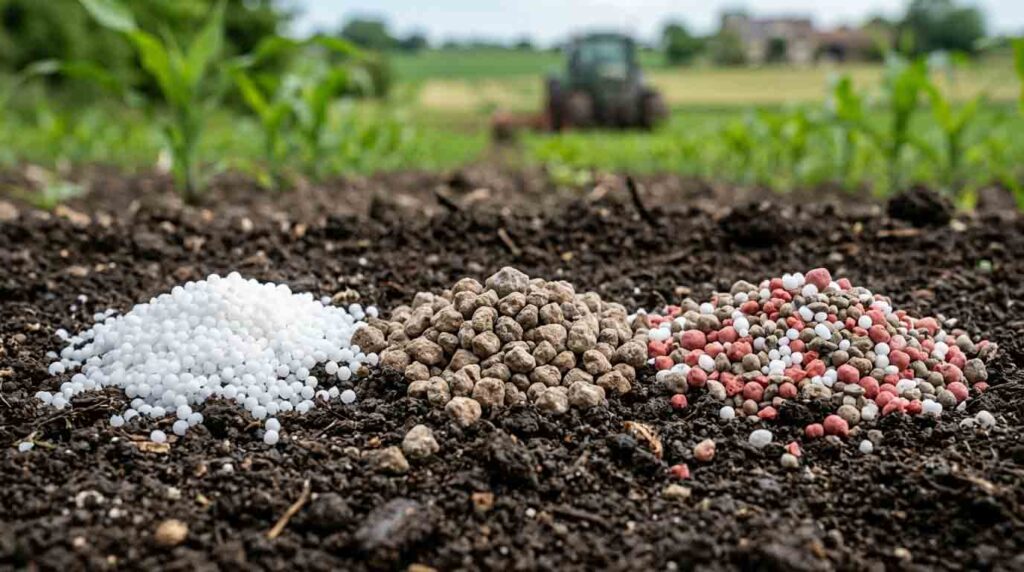
Proper timing of fertilizer application matters as much as buying at the right price.
Step 1: Prepare in Off-Season Months (August-September)
Buy your DAP and first urea dose before October price rises. Store in a dry, raised platform away from walls to prevent moisture damage.
Step 2: Apply DAP at Sowing Time (October-November for Wheat)
- Use recommended bags per acre
- Mix in soil or place slightly away from seed
- Never let DAP touch seed directly in large amounts
Step 3: First Urea Dose (November-December)
Apply after first irrigation when wheat is established. This gives plants nitrogen for green growth and tillering.
Step 4: Second Urea Dose (January-February)
Apply at tillering stage before the stem elongates. This builds yield potential.
Step 5: Summer Crops (April-June)
For cotton, rice, or maize:
- Apply DAP at sowing (April-May)
- First urea dose 3-4 weeks after germination
- Second urea dose during rapid growth
Step 6: Balanced NPK Use (Throughout Year)
For vegetables and orchards, apply NPK every month or six weeks in smaller splits according to crop stage.
Practical Tips for Tracking Monthly Rates
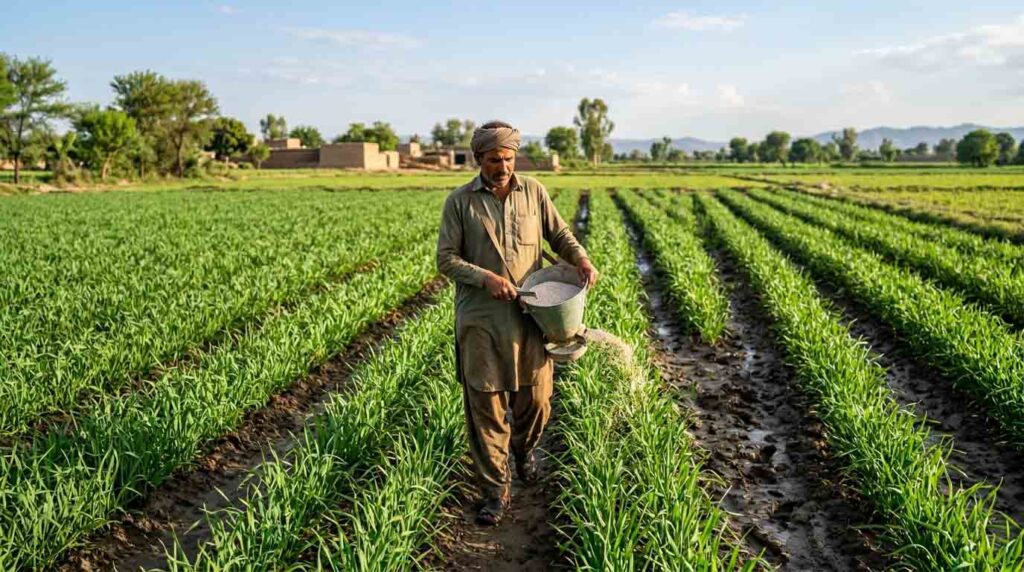
Smart farmers do not buy fertilizer blindly. They track prices monthly to make better decisions.
More Articles
- Fertilizer Prices in Punjab vs Sindh (2026) – Latest Rates & Comparison Guide
- DAP Price in Pakistan Today 2026 – Latest Rates & Complete Fertilizer Guide
Tips for rate tracking:
- Visit markets weekly: Even if not buying, check the displayed rates at 2-3 shops
- Join farmer groups: WhatsApp groups often share latest prices from different cities
- Note seasonal patterns: Keep a small notebook recording what you paid last year in each month
- Buy early in off-months: If you have secure storage, buy 1-2 months before you need it
- Avoid panic buying: When prices rise suddenly, wait a few days if possible; sometimes rates correct
- Check multiple brands: Engro, FFC, Fatima, and others may have slight monthly differences
- Watch government announcements: Sometimes prices drop after subsidy news in specific months
Storage advice for early buyers:
If you buy fertilizer in cheap months (February or September) for use later:
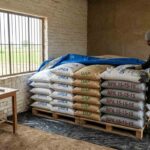
- Keep bags on wooden pallets, not directly on floor
- Cover with plastic sheets if roof leaks possible
- Keep away from water and direct sunlight
- Use oldest stock first
Factors That Affect Monthly Rates in Different Regions
Rates in Lahore might differ from Karachi or Peshawar in the same month due to:
- Distance from port or factory: Areas near fertilizer plants often have slightly lower rates
- Local crop intensity: If a district is heavily into wheat, October prices spike more there
- Dealer competition: Areas with many shops may see slower price rises
- Transport strikes: Sometimes road closures in specific months delay supply
- Bank holidays: End of month or quarter-end can affect dealer credit and pricing
Conclusion
Tracking Pakistan monthly fertilizer rates for Urea, DAP, and NPK is a smart habit that can save farmers thousands of rupees per acre. Prices usually follow crop seasons, rising before sowing and falling during off-peak months. By understanding that urea is cheapest in September and February, DAP is most expensive in October and May, and NPK follows vegetable demand cycles, farmers can plan their purchases better.
Remember that buying fertilizer is only half the work; using it correctly with proper timing gives the real benefit. Store fertilizer safely if buying early, apply DAP at sowing, split urea doses during crop growth, and use NPK for balanced nutrition. With good monthly planning, farmers can reduce costs and increase their crop production across all provinces of Pakistan.
FAQs
1. Why do fertilizer prices change every month in Pakistan?
Fertilizer prices change due to seasonal crop demand, gas supply to local factories, dollar rates for imported DAP, transport costs, and dealer stocking patterns. Each month brings different demand levels based on what crops farmers are planting.
2. Which month is usually the cheapest to buy urea?
Generally, September (before wheat season) and February (after wheat sowing ends) offer better urea prices compared to peak months like October and November. However, always check your local market as conditions can vary.
3. Should I buy all my fertilizer at once or month by month?
If you have dry, safe storage space, buying 1-2 months before peak season (during off-months) usually saves money. However, if storage is risky due to moisture or theft, buying monthly as needed is safer despite possibly higher prices.
4. How can I store fertilizer safely if I buy it months early?
Store bags on wooden pallets raised above floor level, keep them away from walls and water, cover with plastic if the roof is not perfect, and keep the storage area locked. Always use older stock first before opening new bags.
5. Are NPK prices more stable than urea and DAP?
Generally yes, NPK prices change more slowly because they serve specialized crops and have steady import patterns. However, they can still rise suddenly if international potash or phosphate prices jump, or if the rupee weakens against the dollar.