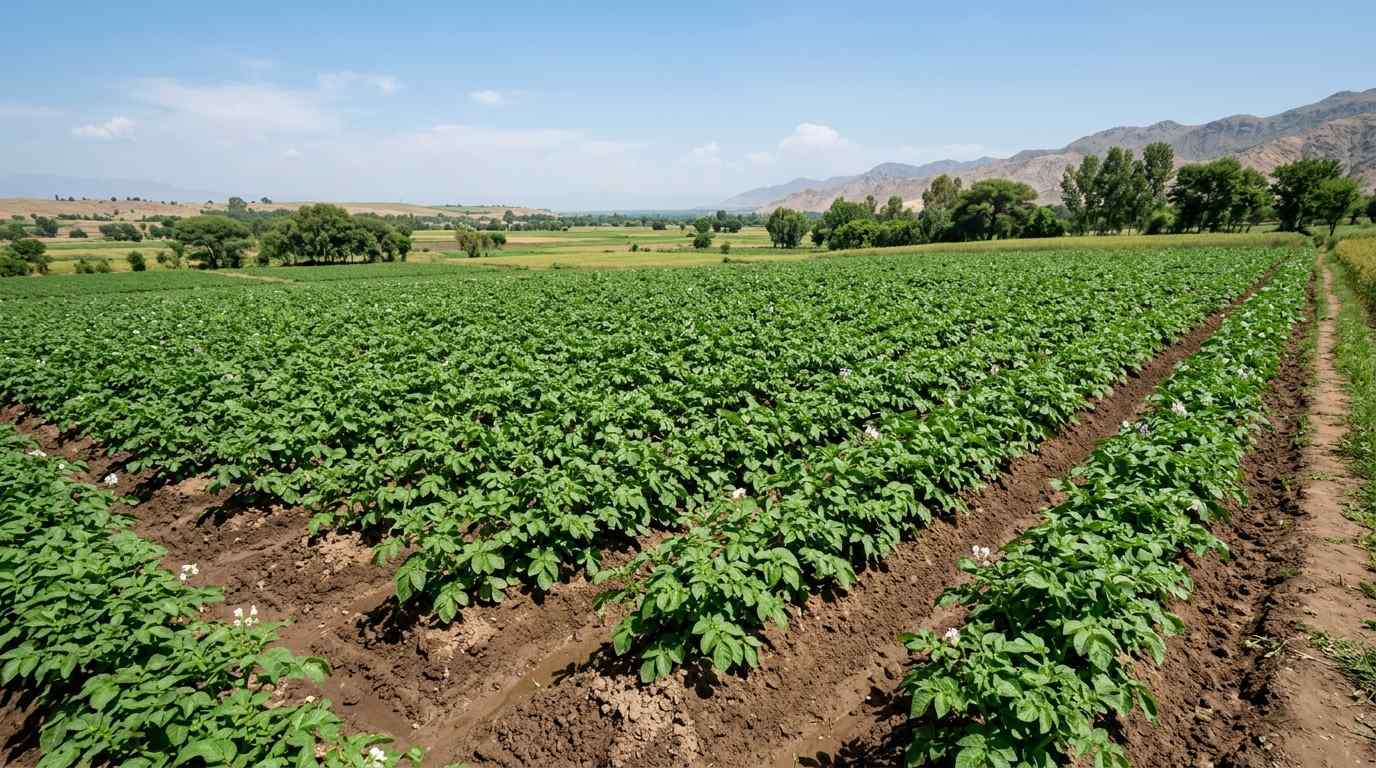
Potato Crop Fertilizer Guide is an important cash crop in Pakistan. Farmers grow it in Punjab, Khyber Pakhtunkhwa, Balochistan, and Sindh. Good potato production depends on many things such as quality seed, proper irrigation, pest control, and balanced fertilizer use. Among all these, fertilizer management plays a big role in getting healthy plants and high yield.
Many farmers use fertilizer, but sometimes they do not apply the right type, right quantity, or right time. This can reduce potato size, lower production, and increase farming cost. In this guide, we will explain the best fertilizer plan for potato crop in Pakistan in simple English. We will discuss fertilizer types, quantity, timing, and useful practical tips for farmers.
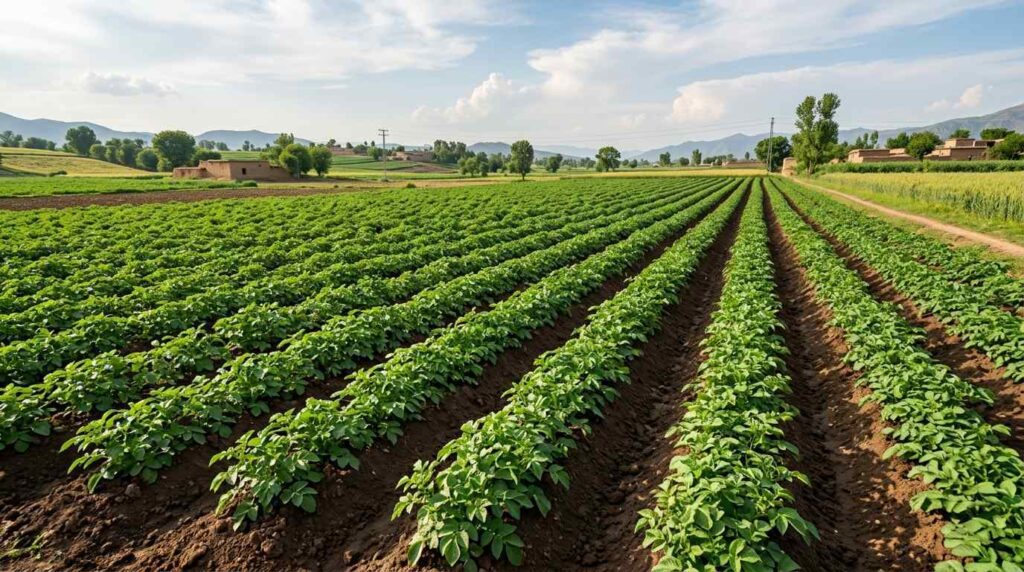
Why Fertilizer is Important for Potato Crop
Potato is a heavy feeder crop. It takes a lot of nutrients from the soil in a short period. If the soil does not have enough nutrients, the crop becomes weak and tuber formation is poor.
Proper fertilizer use helps in:
- Strong plant growth
- Better root development
- More tuber formation
- Bigger potato size
- Higher yield per acre
- Better market quality
- Improved disease resistance
Balanced nutrition is necessary because too much or too little fertilizer can harm the crop.
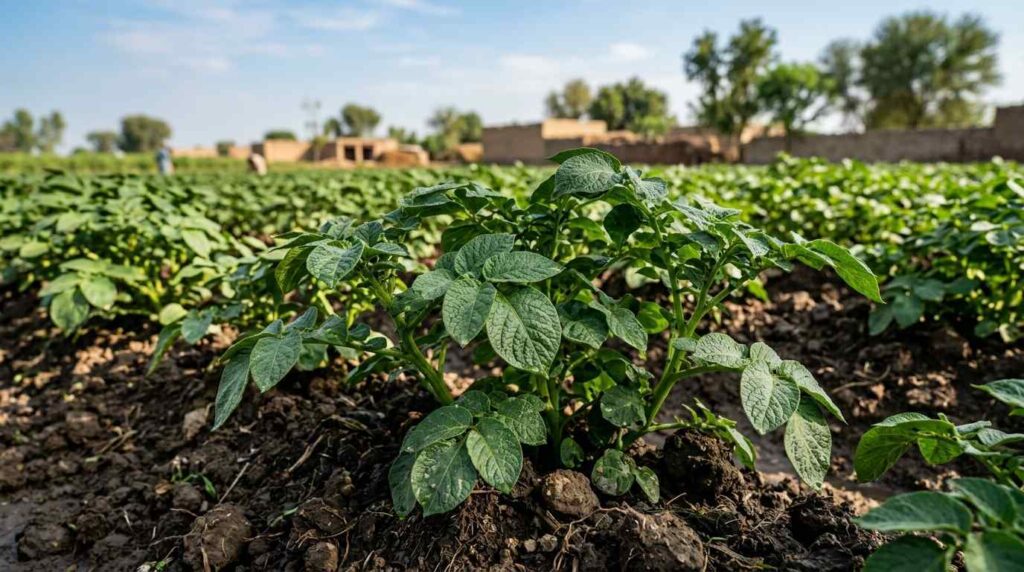
Main Nutrients Needed for Potato Crop
Potato needs both major and minor nutrients, but the most important are:
Nitrogen (N)
Nitrogen helps in leaf and stem growth. It makes the plant green and healthy. But too much nitrogen can produce too many leaves and fewer tubers.
Common source in Pakistan:
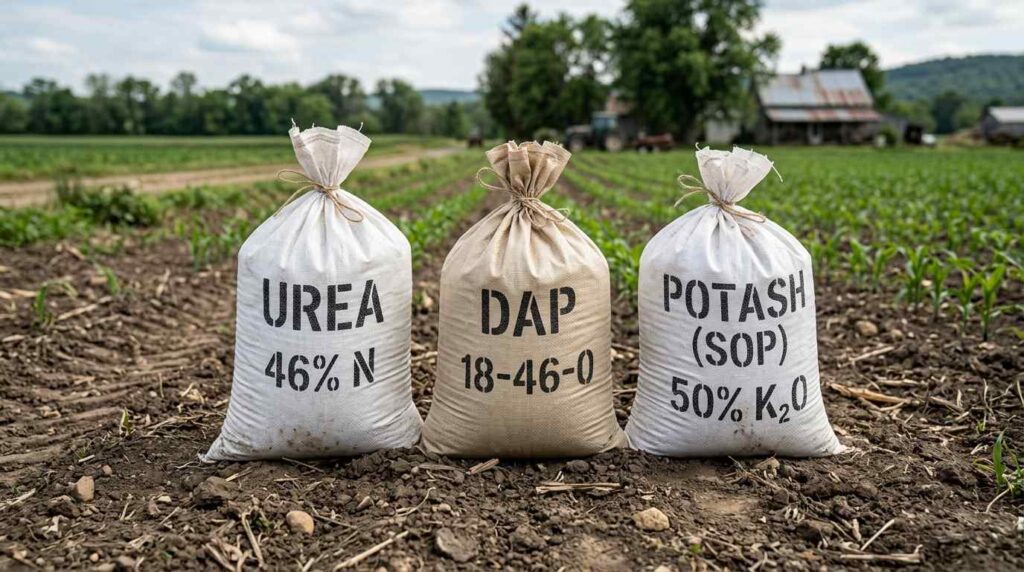
- Urea
Phosphorus (P)
Phosphorus is important for root development and early crop growth. It also supports tuber formation.
Common source in Pakistan:
- DAP
- NPK fertilizers
Potash (K)
Potash improves potato size, quality, and disease resistance. It also helps the plant use water better.
Common source in Pakistan:
- SOP
- MOP
- NPK fertilizers
Best Fertilizers Used for Potato in Pakistan
The following fertilizers are commonly used by potato farmers in Pakistan:
1. Urea
Urea contains nitrogen. It is widely available and commonly used in all potato-growing areas of Pakistan.
Benefits:
- Fast vegetative growth
- Green and healthy leaves
- Easy to apply
- Low cost compared to some other fertilizers
2. DAP
DAP contains phosphorus and some nitrogen. It is mostly applied at sowing time.
Benefits:
- Helps root growth
- Good for early crop development
- Supports strong plant establishment
3. NPK Fertilizer
NPK contains nitrogen, phosphorus, and potash in balanced form. Different grades are available in the market.
Benefits:
- Balanced nutrition
- Easy to use
- Improves overall crop health
- Suitable for soils with low fertility
4. SOP or Potash Fertilizer
Potash is very useful for potato because it increases tuber size and quality. SOP is often preferred for better quality potatoes.
Benefits:
- Better tuber development
- Improved skin quality
- Stronger resistance against stress
More Related Article
- Tips for Improving Onion Yield with Fertilizers in Pakistan
- Tomato Fertilizer Guide for Better Yield in Pakistan
Recommended Fertilizer Quantity for Potato Crop in Pakistan
Fertilizer dose depends on soil type, variety, season, and irrigation system. Soil testing is always the best option. However, a general recommendation for Pakistan conditions is given below.
General Fertilizer Dose Per Acre
A common fertilizer recommendation for potato crop per acre is:
- DAP: 2 to 3 bags
- Urea: 2 to 2.5 bags
- SOP/Potash: 1 to 1.5 bags
In some areas, farmers also use NPK instead of separate fertilizers.
If Using NPK
You may use:
- NPK: 2 to 3 bags per acre
- Urea: 1.5 to 2 bags per acre
- Additional potash if needed according to soil condition
Important: These are general recommendations. For the best results, farmers should get soil testing done before sowing.
Step-by-Step Fertilizer Usage for Potato Crop
Now let us understand the fertilizer application process in a simple step-by-step way.
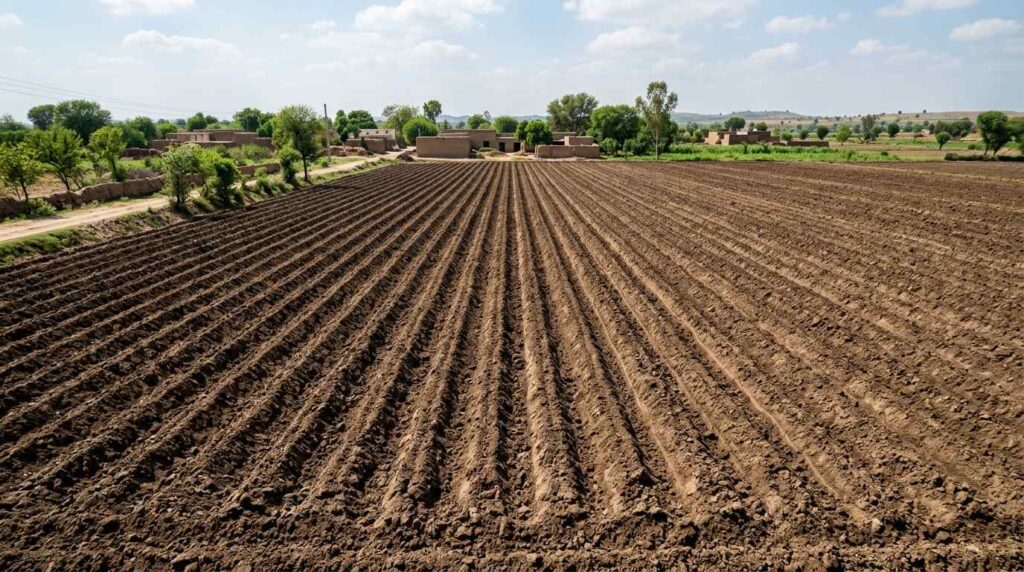
Step 1: Prepare the Land Properly
Before fertilizer application, prepare the land well.
- Plough the field 2 to 3 times
- Remove weeds and crop residue
- Level the land properly
- Make ridges or beds according to your planting method
Well-prepared land helps fertilizers mix properly in the soil.
Step 2: Apply Basal Fertilizer at Sowing Time
Basal dose means the fertilizer applied before or at the time of planting. This is very important for potato crop.
Fertilizers to Apply at Sowing
At sowing time, apply:
- Full DAP
- Full potash
- Half urea
- If using NPK, apply the major part at sowing
Why Basal Dose is Important
- Helps seed germination
- Promotes root growth
- Supports early plant establishment
- Improves nutrient availability from the start
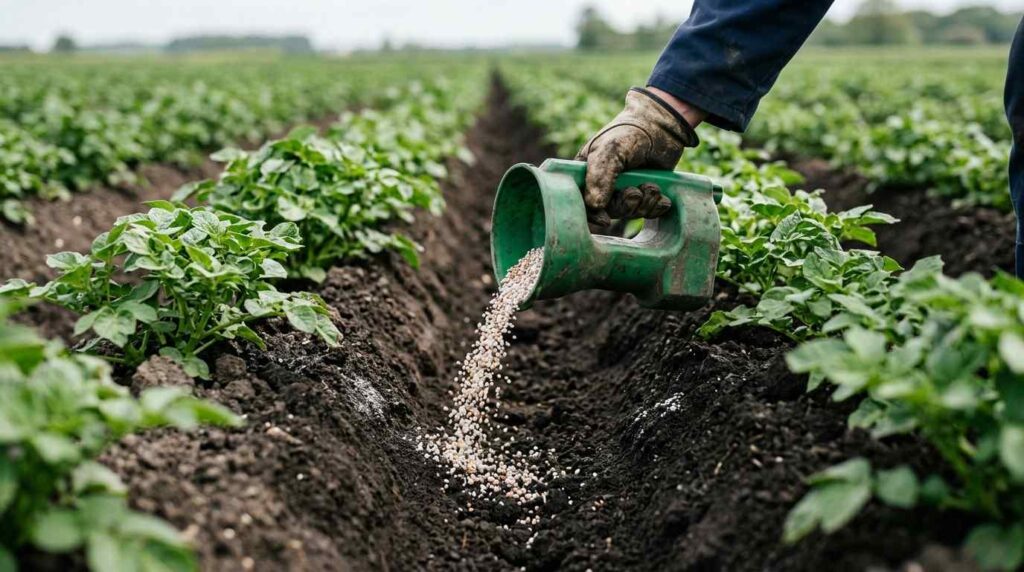
Method of Application
- Apply fertilizer in rows or furrows
- Mix it lightly into the soil
- Do not place fertilizer in direct contact with seed tubers
- Maintain some distance to avoid seed burn
This helps protect the seed and gives better nutrient use.
Step 3: Apply Remaining Urea After Germination
The second dose of nitrogen is applied after the crop starts growing.
Best Time for Second Dose
Apply the remaining half of urea:
- At earthing up stage
- Usually 25 to 35 days after sowing
- When plants are established and growing actively
Why Split Urea Application is Better
- Reduces fertilizer waste
- Improves nitrogen use efficiency
- Supports tuber development
- Prevents excessive leaf growth at early stage
In light soils or sandy soils, split application is more beneficial.
Step 4: Earthing Up with Fertilizer
Earthing up means covering the base of plants with soil. This is a common practice in potato farming.
Benefits of earthing up:
- Protects developing tubers from sunlight
- Reduces greening of potatoes
- Improves root zone
- Helps in weed control
- Supports better fertilizer placement
At this stage, farmers can apply the second dose of urea and then do earthing up.
Fertilizer Timing for Potato Crop
Correct timing is just as important as correct quantity.
Recommended Timing Schedule
At Sowing
Apply:
- Full DAP
- Full potash
- Half urea
25 to 35 Days After Sowing
Apply:
- Remaining half urea
- Earthing up after application
Foliar Spray if Needed
If the crop shows weakness, farmers can use micronutrient sprays after expert advice.
Signs of Nutrient Deficiency in Potato Crop
Farmers should watch the crop carefully. If nutrients are lacking, the plants show symptoms.
Nitrogen Deficiency
- Leaves become pale green or yellow
- Plant growth becomes slow
- Small plants and low yield
Phosphorus Deficiency
- Weak root growth
- Slow early growth
- Dark green or purplish leaves in some cases
Potash Deficiency
- Leaf edges become yellow or burnt
- Poor tuber size
- Lower crop quality
If these signs appear, consult a local agriculture expert or extension worker.
Practical Tips for Potato Farmers in Pakistan
Here are some useful tips for better fertilizer management in potato crop:
Use Soil Test if Possible
Soil testing helps farmers know:
- Which nutrient is low
- How much fertilizer is needed
- How to save money by avoiding extra fertilizer
Do Not Use Too Much Urea
Too much urea can cause:
- Excessive leaf growth
- Weak tuber formation
- Delayed maturity
- More disease risk in some conditions
Apply Fertilizer in Moist Soil
Fertilizer works better when the soil has moisture. Avoid application in very dry soil.
Irrigate After Fertilizer Application
After applying urea, light irrigation can help dissolve nutrients and move them into the root zone.
Use Well-Rotted Farmyard Manure
If available, use 8 to 10 trolley well-rotted farmyard manure per acre before land preparation.
Benefits:
- Improves soil structure
- Increases water holding capacity
- Supports healthy microbial activity
- Improves fertilizer efficiency
Avoid Direct Contact with Seed
Never place chemical fertilizer directly on seed tubers. It can damage germination and reduce plant population.
Choose Good Quality Fertilizer
Buy fertilizer from trusted dealers. Poor or fake fertilizer can badly affect the crop.
Common Mistakes Farmers Should Avoid
Many potato farmers lose yield because of simple mistakes.
Avoid these common errors:
- Applying all urea at one time
- Using fertilizer without soil testing
- Applying too much nitrogen
- Ignoring potash
- Delaying second dose too much
- Placing fertilizer too close to seed
- Applying fertilizer in dry soil without irrigation
Good planning can save cost and increase profit.
Best Fertilizer Strategy for High Potato Yield
For better potato production in Pakistan, farmers should follow this simple strategy:
Before Sowing
- Test soil if possible
- Prepare land well
- Add farmyard manure
At Sowing
- Apply full DAP
- Apply full potash
- Apply half urea
During Early Growth
- Monitor plant health
- Control weeds
- Maintain irrigation schedule
At Earthing Up
- Apply remaining urea
- Cover plants properly with soil
During Tuber Formation
- Avoid water stress
- Watch for nutrient deficiency
- Protect crop from pests and diseases
This balanced method can give better yield and good quality potatoes.
Conclusion
Potato crop needs proper fertilizer management for high yield and better quality. In Pakistan, the most commonly used fertilizers for potato are Urea, DAP, and NPK. Potash is also very important for tuber growth and quality. The key to success is using the right fertilizer in the right amount at the right time.
A general rule for potato farmers is to apply full DAP and potash along with half urea at sowing, and then apply the remaining urea at earthing up stage. Farmers should avoid overuse of nitrogen and should try to use soil testing for more accurate fertilizer planning.
With balanced fertilizer use, proper irrigation, and timely field management, Pakistani farmers can get strong potato crops, better market value, and more profit per acre.
FAQs About Potato Crop Fertilizer
1. Which fertilizer is best for potato crop in Pakistan?
The best fertilizers commonly used in Pakistan are Urea, DAP, NPK, and potash fertilizers like SOP. A balanced combination gives the best results.
2. How much urea should be used per acre for potato?
Generally, 2 to 2.5 bags of urea per acre are used, but it should be applied in two splits. Exact quantity depends on soil condition and crop variety.
3. When should fertilizer be applied to potato crop?
Full DAP and potash, along with half urea, should be applied at sowing. The remaining urea should be applied 25 to 35 days after sowing during earthing up.
4. Can NPK be used for potato crop?
Yes, NPK can be used for potato crop. It provides balanced nutrients and is helpful where soils are low in fertility. Farmers may still need extra urea or potash depending on soil needs.