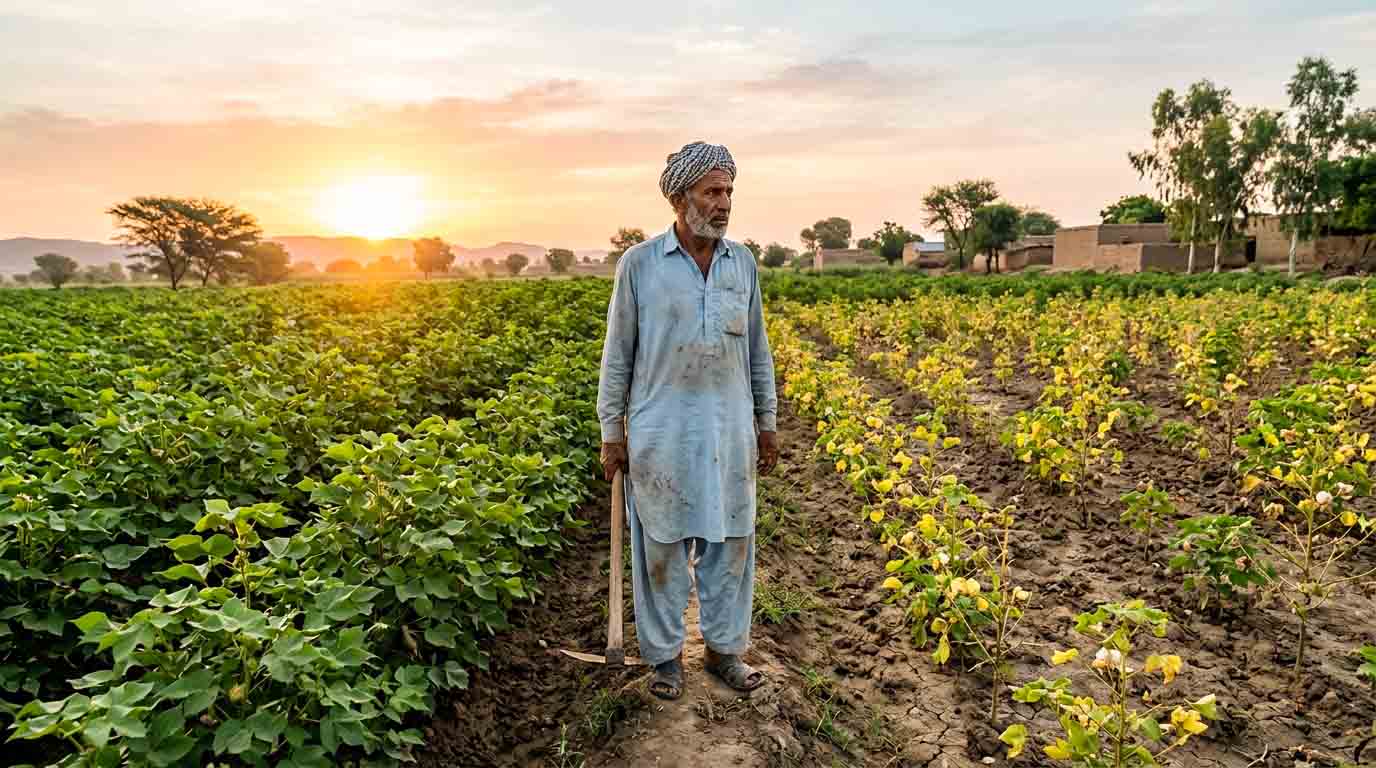
Common farming mistakes in Pakistan is changing fast. Weather patterns are shifting, input costs are rising, and markets are becoming more competitive. Many farmers work very hard but still do not get the yield they expect. The reason is often simple: small but common mistakes.
In this article, we will discuss the most Common Farming Mistakes in Pakistan and how you can avoid them in 2026. These are practical tips that you can apply in your fields right away.
Why Avoiding Common Farming Mistakes Matters
Even a small mistake can reduce your crop yield and profit. For example:
- Using wrong fertilizer timing
- Overwatering or underwatering
- Not checking soil health
Avoiding these issues can help you:
- Increase production
- Save money
- Improve soil health
- Get better crop quality
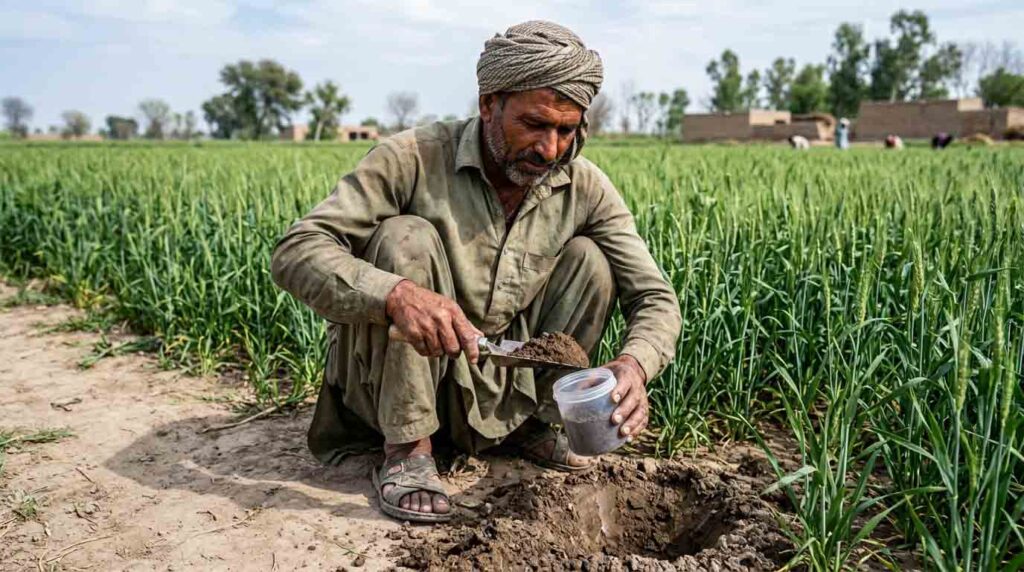
1. Not Testing Soil Before Farming
One of the biggest Common Farming Mistakes is ignoring soil testing.
Many farmers apply fertilizers without knowing what their soil actually needs. This leads to poor crop growth and wasted money.
What You Should Do:
- Get your soil tested before sowing
- Check for nitrogen, phosphorus, and potassium levels
- Follow recommendations based on results
Practical Tip:
Soil testing is cheap compared to fertilizer costs. It can save you thousands of rupees.
2. Wrong Use of Fertilizers (Urea, DAP, NPK)
Fertilizer misuse is very common in Pakistan. Farmers either use too much or too little.
Common Errors:
- Applying all fertilizer at once
- Using only Urea and ignoring DAP or NPK
- Applying fertilizer at the wrong time
Types of Fertilizers:
- Urea – Provides Nitrogen (N) for plant growth
- DAP (Di-Ammonium Phosphate) – Gives Phosphorus (P) and some Nitrogen
- NPK – Balanced fertilizer with Nitrogen, Phosphorus, and Potassium
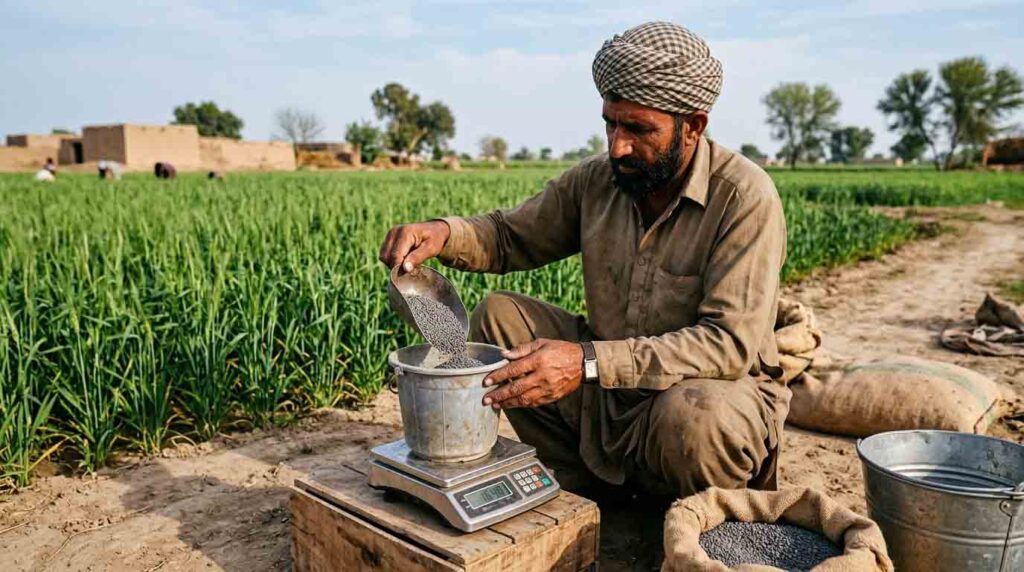
3. Proper Fertilizer Schedule for Wheat
Following a correct schedule can improve wheat yield significantly.
Recommended Schedule:
At Sowing:
- DAP: 1 bag per acre
- NPK (optional depending on soil): 1/2 bag per acre
First Irrigation (20–25 days after sowing):
- Urea: 1 bag per acre
Second Irrigation (40–45 days):
- Urea: 1/2 to 1 bag per acre
Third Irrigation (if needed):
- Urea: 1/2 bag per acre
Important Tips:
- Do not apply Urea on dry soil
- Always irrigate after applying fertilizer
- Adjust quantity based on soil test
More Articles
- Best Way to Store Fertilizer Safely in Pakistan 2026
- How to Start Farming in Pakistan Beginner’s Step-by-Step Guide 2026
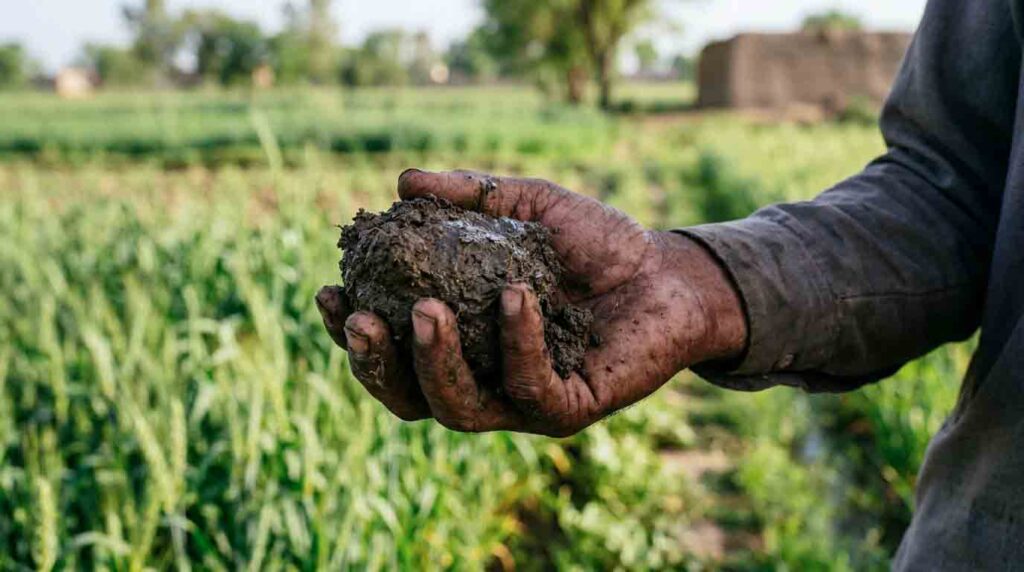
4. Overwatering or Poor Irrigation Timing
Water is very important, but too much water can damage crops.
Common Mistakes:
- Flooding the field
- Irrigating without checking soil moisture
- Ignoring crop stage
Better Practices:
- Use proper irrigation intervals
- Avoid standing water in fields
- Irrigate early morning or evening
Tip:
Different crops need different water levels. Learn your crop’s requirement.
5. Late or Early Sowing
Sowing at the wrong time is a serious issue.
Problems:
- Late sowing reduces yield
- Early sowing may damage seeds due to temperature
What to Do:
- Follow recommended sowing dates
- Use weather updates
- Choose suitable seed variety
6. Using Poor Quality Seeds
Seed quality directly affects crop production.
Common Farming Mistakes:
- Using old or uncertified seeds
- Saving seeds without proper treatment
Best Practice:
- Buy certified seeds from trusted sources
- Treat seeds before sowing
7. Ignoring Weed Control
Weeds compete with crops for nutrients, water, and sunlight.
Mistakes Farmers Make:
- Delaying weed control
- Using wrong herbicides
Solutions:
- Remove weeds early
- Use recommended herbicides
- Do manual weeding if needed
8. Improper Pest and Disease Control
Pests and diseases can destroy crops quickly if ignored.
Common Errors:
- Spraying pesticides without proper diagnosis
- Using too much pesticide
- Spraying at wrong time
Smart Approach:
- Identify pest or disease first
- Use the right pesticide
- Follow correct dosage
9. Lack of Crop Rotation
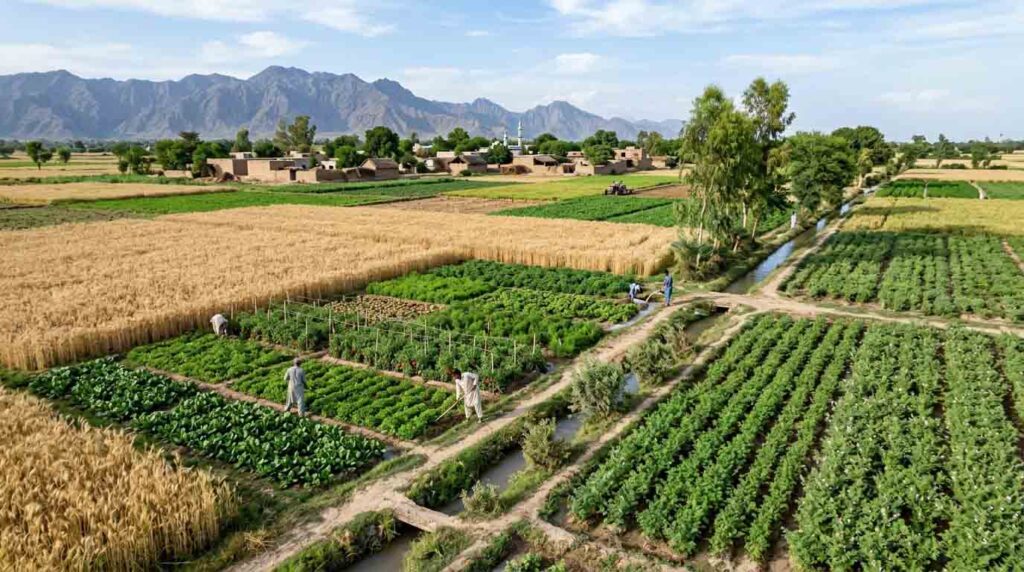
Growing the same crop every year reduces soil fertility.
Problems:
- Soil nutrients decrease
- More pests and diseases
Solution:
- Practice crop rotation
- Alternate wheat with legumes or other crops
10. Not Keeping Farm Records
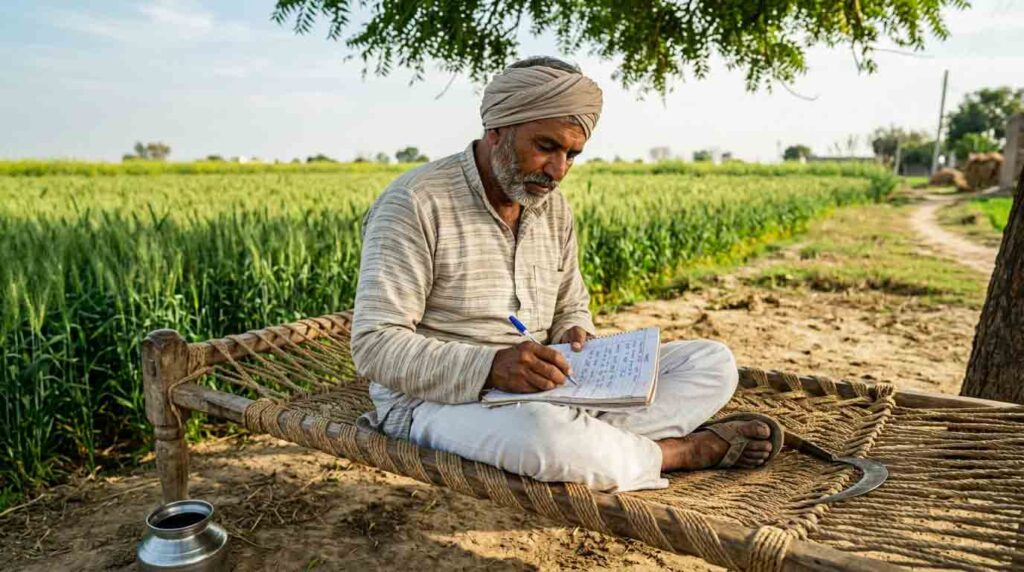
Many farmers do not track their expenses and results.
Why It Matters:
- You cannot improve what you do not measure
- Hard to know profit or loss
What to Record:
- Fertilizer usage
- Water schedule
- Yield per acre
- Expenses and income
Practical Tips for Pakistani Farmers in 2026
Here are some simple but powerful tips:
- Use mobile apps for weather updates
- Follow government agriculture advice
- Join local farmer groups
- Avoid overuse of chemicals
- Focus on soil health
Conclusion
Avoiding Common Farming Mistakes can make a big difference in your farming success. Most problems happen due to lack of information or wrong practices.
By improving soil management, using fertilizers like Urea, DAP, and NPK correctly, and following proper schedules, you can increase your crop yield and income.
Farming is not just hard work—it is smart work. Small changes today can bring big results tomorrow.
FAQs
1. What are the most common farming mistakes in Pakistan?
The most common farming mistakes include wrong fertilizer use, poor irrigation, late sowing, and ignoring soil testing.
2. How much Urea is needed for wheat per acre?
Usually 1.5 to 2.5 bags per acre are used in split doses, depending on soil condition.
3. Why is soil testing important?
Soil testing helps you understand nutrient levels and apply the right fertilizers, saving money and improving yield.
4. Can I use only Urea for crops?
No, crops need balanced nutrients. Use Urea along with DAP and NPK for better results.
5. What is the best time for wheat sowing in Pakistan?
The best time is usually from mid-November to early December, depending on the region.