Zinc Fertilizer Benefits Zinc is a small nutrient, but it has a big role in crop production. Many farmers in Pakistan use Urea, DAP, and NPK for their crops, but they often forget about micronutrients like zinc. This can reduce yield, weaken plant growth, and lower crop quality.
In many areas of Pakistan, especially in calcareous, alkaline, and low organic matter soils, zinc deficiency is very common. Crops may look weak even after using enough nitrogen and phosphorus. In such cases, zinc fertilizer can make a big difference.
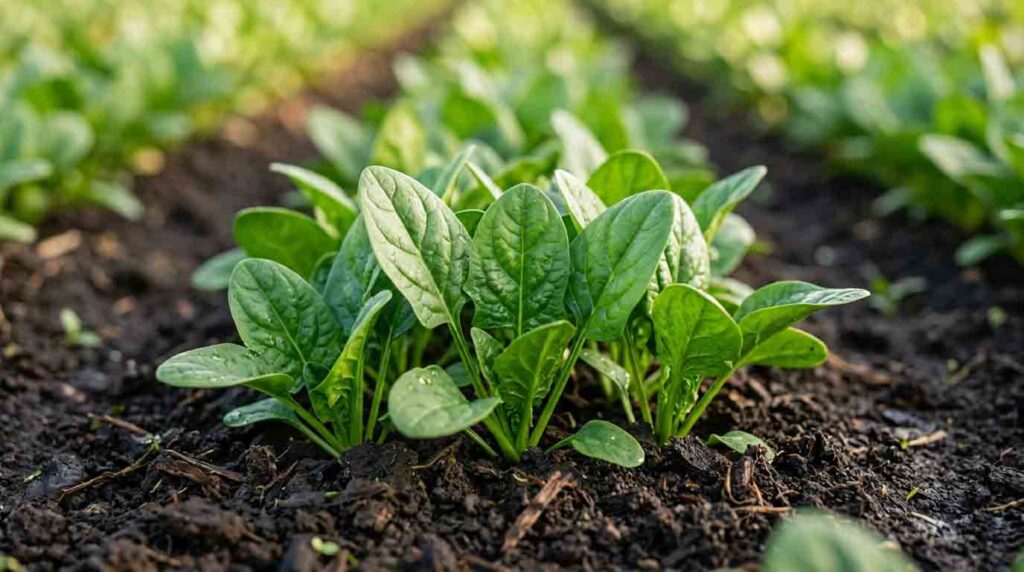
In this guide, we will explain the zinc fertilizer benefits for crops in Pakistan, signs of zinc deficiency, how to use zinc fertilizer step by step, and practical tips for better results. This article is written in simple English for farmers.
What Is Zinc Fertilizer?
Zinc fertilizer is a fertilizer that supplies zinc to crops. is a micronutrient, which means crops need it in small amounts, but it is still very important.
zinc helps plants in:
- Healthy root growth
- Better leaf development
- Strong plant growth
- Enzyme activity
- Better grain and fruit formation
- Improved resistance to stress
Without enough zinc, crops cannot grow properly, even if you use Urea, DAP, or NPK.

Why Zinc Is Important for Pakistani Soils
Many soils in Pakistan have zinc deficiency. This happens because:
- Soils are often alkaline or calcareous
- Organic matter is low
- Farmers use more Urea and less micronutrients
- Continuous cropping removes nutrients from the soil
- Flood irrigation can affect nutrient balance
This problem is common in many parts of Punjab, Sindh, Khyber Pakhtunkhwa, and Balochistan.
Crops That Often Need Zinc in Pakistan
Zinc is especially important for:
- Rice
- Wheat
- Maize
- Cotton
- Sugarcane
- Citrus
- Mango
- Vegetables
- Pulses
Benefits of Zinc Fertilizer for Crops
Zinc fertilizer gives many benefits when used correctly.
Main Benefits of Zinc Fertilizer
- Improves seedling vigor
- Supports healthy root development
- Increases plant height and growth
- Helps in better tillering in cereals
- Improves flowering and fruit setting
- Increases grain size and crop quality
- Helps crops use nitrogen better
- Improves resistance to heat and disease
- Increases yield and farmer income
In Pakistan, where weather stress and soil problems are common, zinc can help crops grow stronger and healthier.
Signs of Zinc Deficiency in Crops

Farmers should know the symptoms of zinc deficiency so they can act in time.
Common signs include:
- Yellowing between leaf veins
- Small and narrow leaves
- Stunted plant growth
- Poor tillering in wheat and rice
- Delayed maturity
- Weak root system
- Poor grain formation
- Patchy growth in the field
In rice:
- Yellow or bronze leaves
- Poor growth after transplanting
In maize:
- White or yellow stripes on leaves
fruit plants:
- Small leaves and poor fruit development
If you see these signs, zinc deficiency may be the reason.
Best Zinc Fertilizers Used in Pakistan
There are different zinc fertilizers available in the market.
1. Zinc Sulphate
This is the most common zinc fertilizer in Pakistan.
Benefits:
- Easily available
- Effective in many crops
- Supplies zinc, and some forms also provide sulfur
2. Chelated Zinc
- More efficient in some conditions
- Often used in foliar spray
- Usually more expensive
3. Zinc Mixed in NPK or Special Fertilizer Blends
- Useful for balanced nutrition
- Good for vegetables and orchards
Best Fertilizers Used in Pakistan with Zinc
Zinc works better when crops also get proper major nutrients.
Common fertilizers used in Pakistan are:
Urea
- Provides nitrogen
- Helps leafy growth
- Very common in all major crops
DAP
- Provides phosphorus and nitrogen
- Important at sowing time
- Helps root development
NPK
- Gives balanced nutrients
- Useful for vegetables, fruits, and cash crops
Zinc Fertilizer
- Helps in micronutrient balance
- Improves crop growth when zinc is low
A crop needs both major nutrients and micronutrients for full performance.
How Zinc Works with Urea, DAP, and NPK
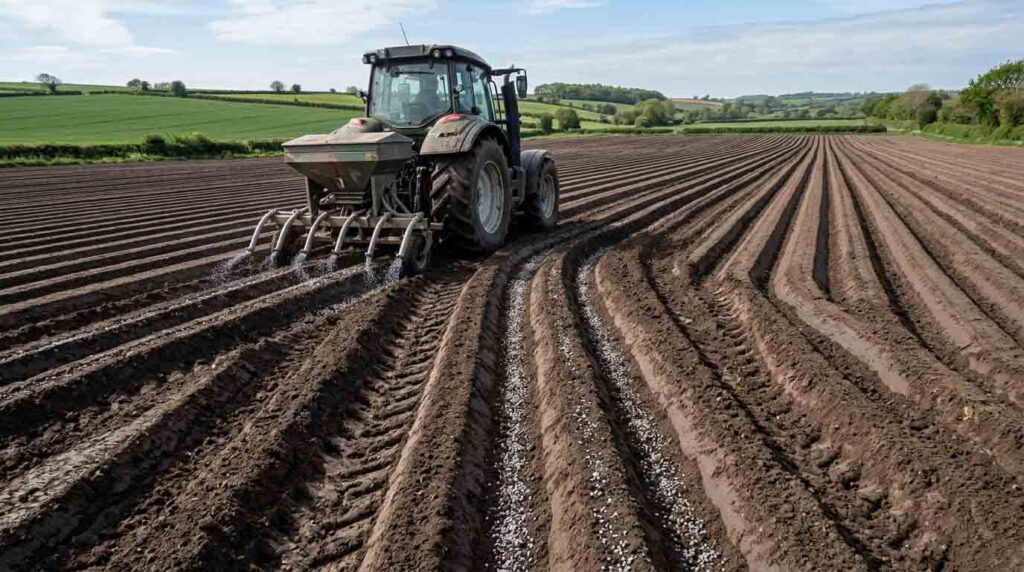
Many farmers apply enough Urea and DAP, but still do not get the desired yield. One reason can be zinc deficiency.
Balanced use helps because:
- Urea gives nitrogen for green growth
- DAP gives phosphorus for roots
- NPK provides balanced nutrition
- Zinc supports enzyme activity and healthy development
If zinc is missing, the crop may not use major nutrients properly. That is why balanced fertilizer use is important in Pakistan.
Step-by-Step Guide: How to Use Zinc Fertilizer
Here is a simple step-by-step guide for farmers.
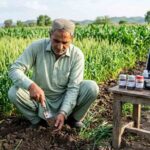
Step 1: Test Your Soil
The best way to know if your field needs zinc is through soil testing.
Soil testing helps to:
- Confirm zinc deficiency
- Know the right dose
- Avoid waste of money
- Identify other nutrient problems
If soil testing is not available, observe crop symptoms carefully.
Step 2: Choose the Right Zinc Fertilizer
For most farmers in Pakistan, zinc sulphate is a good and practical choice.
Use:
- Zinc sulphate for soil application
- Chelated zinc for foliar spray if needed
- Zinc-containing NPK for special crops
Buy only from trusted dealers to avoid fake products.
Step 3: Apply Zinc at the Right Time
Zinc is usually most effective when applied at land preparation or sowing time.
Best timing:
- Before sowing
- At sowing
- During nursery preparation in rice
- Early crop stage if deficiency appears
- Foliar spray during vegetative growth when needed
Early application is better because the crop needs zinc from the start.
Step 4: Apply Zinc Properly in Soil
For soil application:
- Mix zinc fertilizer well into the soil
- Apply during final land preparation
- Place near the root zone
- Do not leave it only on the surface if possible
This helps roots absorb zinc more effectively.
Step 5: Use Foliar Spray If Needed
If deficiency appears during the crop season, foliar spray can help quickly.
Foliar spray is useful when:
- Crop already shows deficiency
- Fast correction is needed
- Soil conditions reduce zinc availability
Spray in the morning or evening for better results. Avoid spraying during very hot hours.
Step 6: Use Balanced Fertilizer with Zinc
Do not depend only on zinc. Crops also need proper amounts of Urea, DAP, and NPK.
Good practice:
- Apply DAP at sowing
- Use zinc sulphate during land preparation or sowing
- Apply Urea in split doses later
- Use NPK where balanced nutrition is needed
This gives better and more complete crop growth.
Crop-Wise Importance of Zinc in Pakistan
Rice
Rice is one of the crops most affected by zinc deficiency in Pakistan.
Zinc helps in rice:
- Better seedling establishment
- Improved tillering
- Healthy leaf color
- Better grain production
In flooded rice fields, zinc deficiency is common, so farmers should monitor the crop carefully.
Wheat
In wheat, zinc helps:
- Better tillering
- Improved plant height
- Better grain development
- Stronger crop growth
Maize
Zinc is very important for maize.
Benefits in maize:
- Better early growth
- Improved leaf development
- Better cob formation
- Higher grain yield
Cotton
Zinc helps cotton by:
- Improving vegetative growth
- Supporting boll development
- Strengthening the plant under stress
Fruits and Vegetables
In orchards and vegetable crops, zinc helps:
- Better leaf size
- Improved flowering
- Better fruit set
- Better size and quality
Also Read:
- How to Use Potash Fertilizer for Better Crop Yield
- Organic vs Chemical Fertilizers Complete Farmer Guide
Practical Tips for Farmers in Pakistan
Here are some useful tips for better zinc fertilizer use:
- Get soil tested if possible
- Watch crops carefully for deficiency signs
- Apply zinc early for better results
- Use zinc sulphate from reliable companies
- Combine zinc with balanced fertilizers
- Do not use too much Urea only
- Improve soil organic matter with compost or farmyard manure
- For rice, monitor zinc deficiency after transplanting
- For vegetables and orchards, foliar zinc spray can be helpful
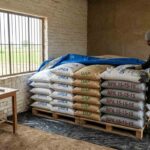
- Store fertilizers in a dry place
Common Mistakes Farmers Should Avoid
Many farmers lose yield because they ignore small but important nutrients.
Avoid these mistakes:
- Ignoring zinc deficiency symptoms
- Using only Urea and DAP every season
- Applying zinc too late
- Buying fake or poor-quality fertilizer
- Not mixing zinc properly into soil
- Expecting zinc alone to solve all nutrient problems
- Not using balanced fertilization
Conclusion
Zinc is a very important micronutrient for crop production in Pakistan. Although crops need it in small quantity, its effect on growth, health, and yield is very big. In many Pakistani soils, zinc deficiency is common, especially where farmers use a lot of Urea and DAP but ignore micronutrients.
Zinc fertilizer can improve root growth, tillering, leaf health, grain formation, fruit quality, and overall crop strength. It also helps crops use other nutrients better. For the best results, farmers should use zinc in a balanced way along with Urea, DAP, and NPK.

The best method is simple:
- Test the soil
- Identify deficiency
- Apply zinc at the right time
- Use proper soil or foliar application
- Combine with balanced fertilizers
With correct zinc use, Pakistani farmers can improve crop yield, quality, and profit.
FAQs
1. Which crop needs zinc the most in Pakistan?
Rice is one of the crops most affected by zinc deficiency in Pakistan. Wheat, maize, cotton, vegetables, and fruit crops also benefit from zinc.
2. What is the best zinc fertilizer in Pakistan?
Zinc sulphate is the most common and widely used zinc fertilizer in Pakistan. It is effective and easily available.
3. Can zinc be used with Urea and DAP?
Yes, zinc can and should be used with Urea, DAP, and NPK for balanced crop nutrition and better yield.
4. How do I know if my crop needs zinc?
Signs include yellowing between leaf veins, small leaves, weak growth, poor tillering, and patchy crop growth. Soil testing is the best way to confirm zinc deficiency.