Use Potash Fertilizer Potash fertilizer is very important for healthy crop growth and better production. In Pakistan, many farmers focus mostly on Urea and DAP, but they often ignore potash. This is a big mistake. When crops do not get enough potash, the plants become weak, grain filling becomes poor, fruit quality goes down, and yield can decrease.
If you grow wheat, rice, maize, sugarcane, cotton, vegetables, or fruits, you should understand how potash works and how to use it correctly. In many farming areas of Pakistan, balanced fertilizer use is now necessary because soils are becoming weak after repeated cropping.
In this guide, we will explain how to use potash fertilizer for better crop yield, why it matters, when to apply it, and how it works with other fertilizers like Urea, DAP, and NPK. This article is written in simple English for Pakistani farmers.
What Is Potash Fertilizer?
Potash fertilizer is a fertilizer that supplies potassium (K) to crops. Potassium is one of the three main nutrients needed by plants:
- Nitrogen (N) – for green growth
- Phosphorus (P) – for roots and early growth
- Potassium (K) – for strength, quality, and yield
Many farmers in Pakistan know about nitrogen and phosphorus, but potassium is equally important. Potassium does not make the plant dark green like nitrogen, but it helps the crop in many hidden ways.
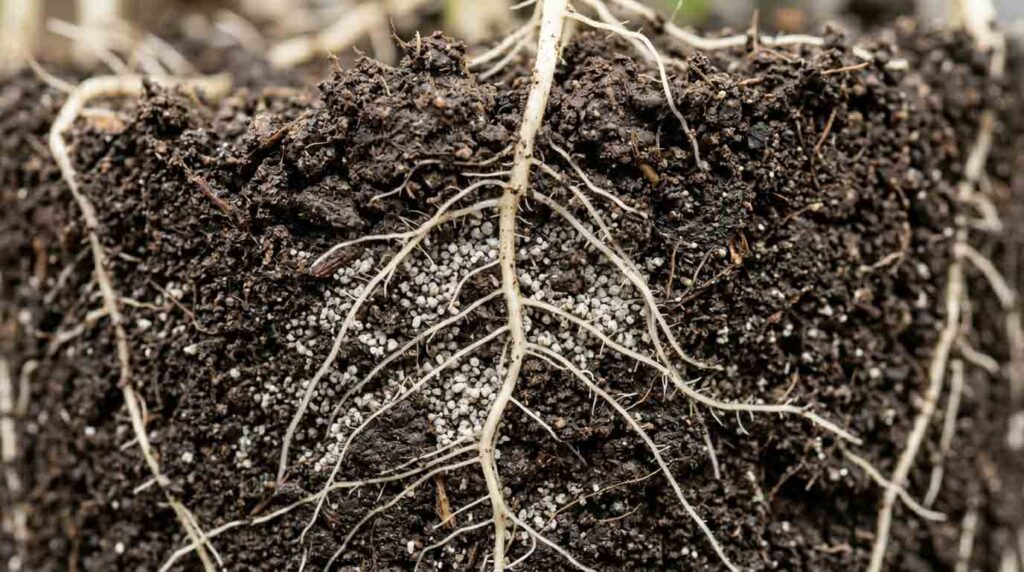
Why Potash Is Important for Crops
Potash helps crops in the following ways:
- Makes stems stronger
- Improves grain filling
- Increases fruit size and quality
- Helps crops fight disease
- Improves water use efficiency
- Reduces lodging in cereals
- Helps plants tolerate heat and drought
- Improves shelf life of vegetables and fruits
This is very useful in Pakistan, where farmers face high temperatures, water shortage, and weak soils in many areas.
Common Potash Fertilizers Used in Pakistan
There are different forms of potash fertilizer available in the market.
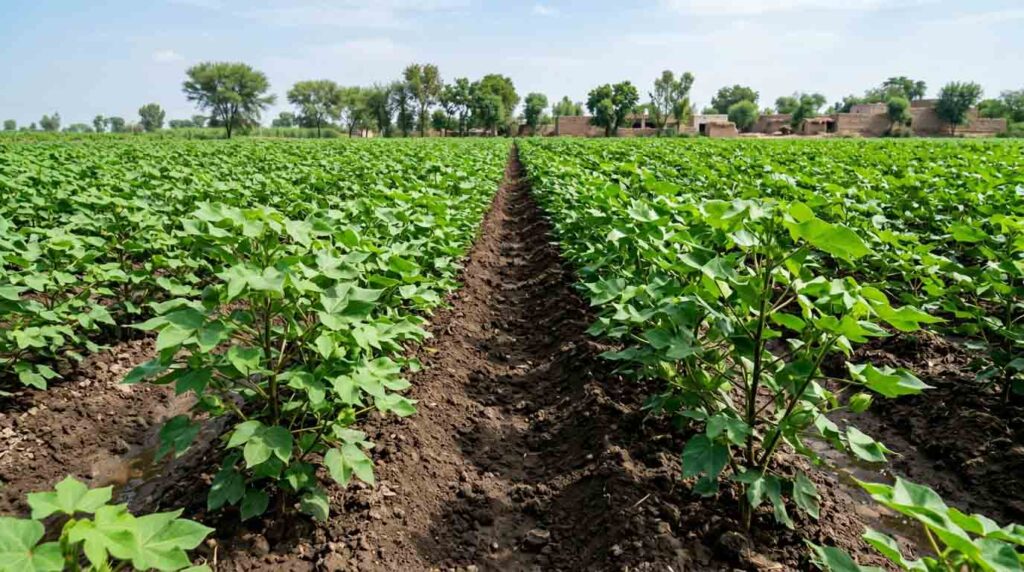
1. MOP (Muriate of Potash)
- Most common potash fertilizer
- Contains high potassium
- Usually cheaper than other potash fertilizers
- Suitable for many field crops
2. SOP (Sulphate of Potash)
- Contains potassium and sulfur
- Better for fruits, vegetables, tobacco, and potato
- Good where chloride-sensitive crops are grown
3. NPK Fertilizer
- Contains nitrogen, phosphorus, and potassium together
- Useful for balanced fertilization
- Commonly used in vegetables, orchards, and cash crops
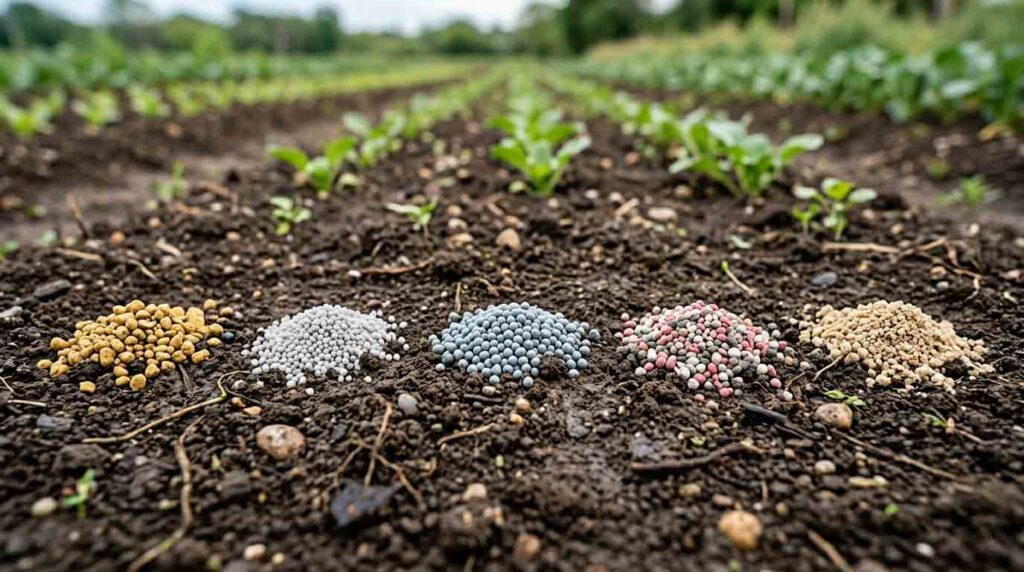
Why Potash Is Important in Pakistan Farming
Pakistani farmers often use Urea and DAP, but in many cases they do not apply enough potassium. Over time, this creates nutrient imbalance in the soil.
Potash is especially useful in:
- Wheat fields with weak grain filling
- Rice fields with poor plant strength
- Cotton for boll development
- Sugarcane for cane weight and sweetness
- Vegetables for better size and quality
- Orchards for fruit development and shelf life
In Pakistan, where intensive farming is common, balanced fertilization is the key to better profits.
Signs of Potash Deficiency in Crops
If the soil does not have enough potassium, crops may show deficiency symptoms.
Common signs include:
- Yellowing or drying at leaf edges
- Weak stems
- Poor root development
- Small grains or fruits
- Poor disease resistance
- Plants falling down easily
- Low yield
- Poor fruit color and quality
These symptoms are common in crops under stress, especially in dry and hot areas.
Best Fertilizers Used in Pakistan
For better crop yield, potash should not be used alone in every case. Crops need balanced nutrients.
Important fertilizers used in Pakistan are:
Urea
- Main nitrogen fertilizer
- Helps leaf and stem growth
- Used in wheat, maize, rice, sugarcane, and vegetables
DAP
- Provides phosphorus and some nitrogen
- Best at sowing time
- Helps root growth and early crop establishment
NPK
- Gives balanced nutrition
- Contains nitrogen, phosphorus, and potassium
- Very useful in vegetables, orchards, and special crops
Potash Fertilizers
- MOP and SOP are main sources
- Improve crop strength, quality, and resistance
How Potash Works with Urea, DAP, and NPK
Potash gives the best results when used in balance with other fertilizers.
Balanced use means:
- DAP at sowing for root development
- Urea during crop growth for nitrogen supply
- Potash for crop strength, quality, and grain/fruit filling
- NPK where balanced nutrition is needed
If you use only Urea, crops may become leafy but weak. If you use DAP and Urea but no potash, the crop may still suffer from poor yield quality. That is why balanced fertilizer use is very important.
Step-by-Step Guide: How to Use Potash Fertilizer
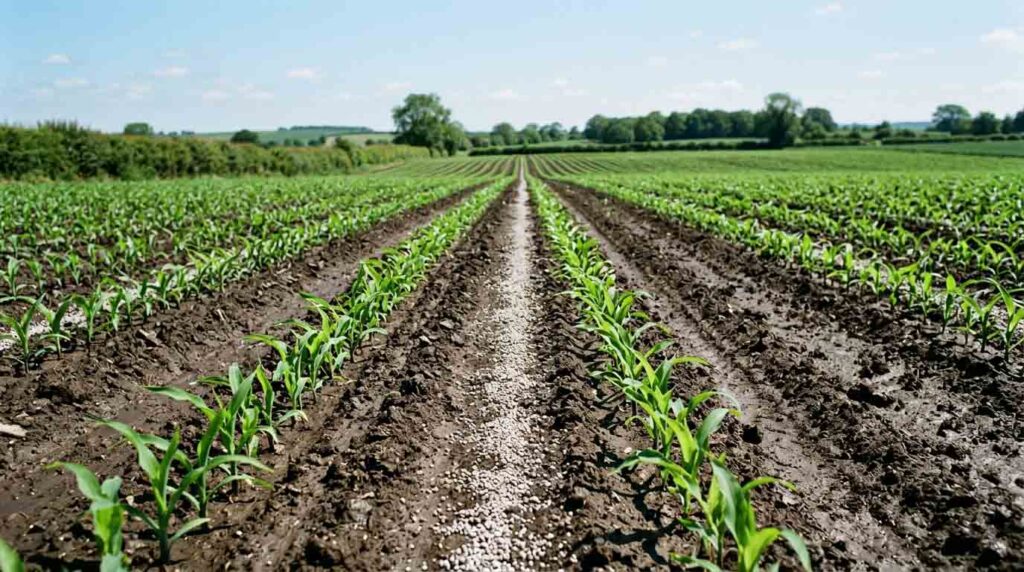
Here is a simple step-by-step guide for farmers in Pakistan.
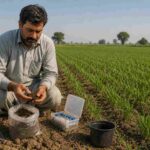
Step 1: Test Your Soil
Before applying any fertilizer, it is best to get a soil test. Soil testing tells you:
- If your land needs potassium
- How much potash is required
- Whether other nutrients are also lacking
- If the soil is saline or alkaline
This helps save money and avoid unnecessary fertilizer use.
Step 2: Choose the Right Type of Potash
Select the proper fertilizer according to crop type.
Use MOP for:
- Wheat
- Rice
- Maize
- Sugarcane
- Many field crops
SOP for Use :
- Potato
- Vegetables
- Tobacco
- Fruits and orchards
- Chloride-sensitive crops
Use NPK when:
- Soil needs balanced nutrients
- Growing vegetables or orchard crops
- You want easy all-in-one fertilizer use
Step 3: Apply Potash at the Right Time
Potash is usually more effective when applied at land preparation or sowing time. This allows roots to absorb potassium early.
Best timing:
- Mix into soil before sowing
- Apply at planting time
- In orchards, apply before flowering or fruit setting
- In vegetables, apply before transplanting or during early growth
In some crops, split application may also be useful.
Step 4: Place Fertilizer Properly
Do not throw fertilizer carelessly. Proper placement improves nutrient use.
Best method:
- Mix potash into soil during field preparation
- Place near root zone
- Do not place fertilizer directly on seed
- In row crops, apply in bands beside the seed line
Proper placement reduces nutrient loss and improves crop response.
Step 5: Use Potash with Urea and DAP
For better results, use potash in a balanced way with other fertilizers.
Example fertilizer plan:
- Apply DAP at sowing
- Apply potash at sowing or land preparation
- Apply Urea in split doses during crop growth
This method gives balanced nutrition and better yield.
Step 6: Irrigate After Application
If moisture is low, irrigation helps fertilizer move into the root zone.
Important points:
- Apply potash in moist soil if possible
- Irrigate after fertilizer use when needed
- Avoid fertilizer application in very dry soil
- Do not apply before heavy flooding
Water management is very important in Pakistan’s farming conditions.
Crop-Wise Use of Potash Fertilizer
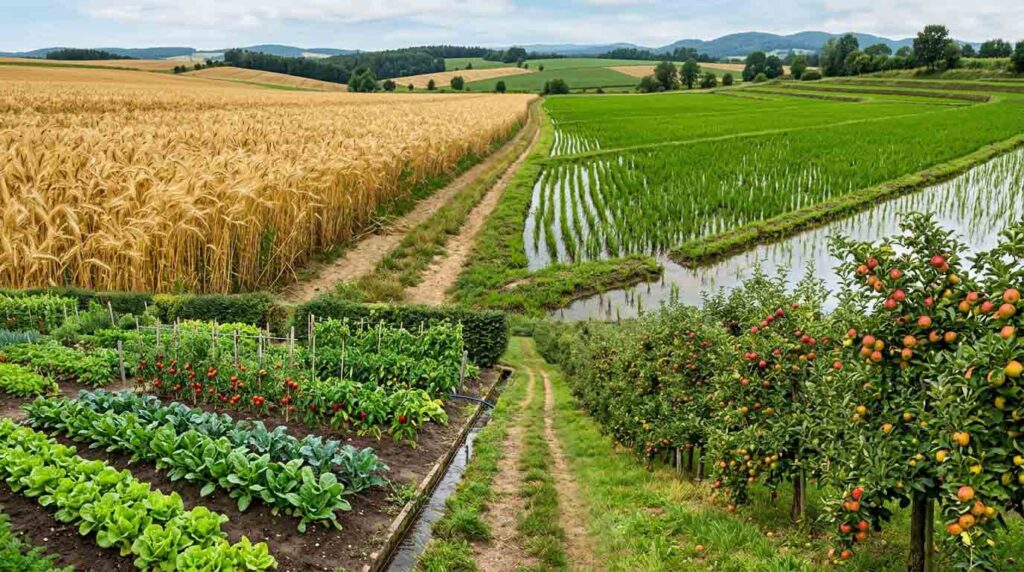
Different crops need potassium in different amounts.
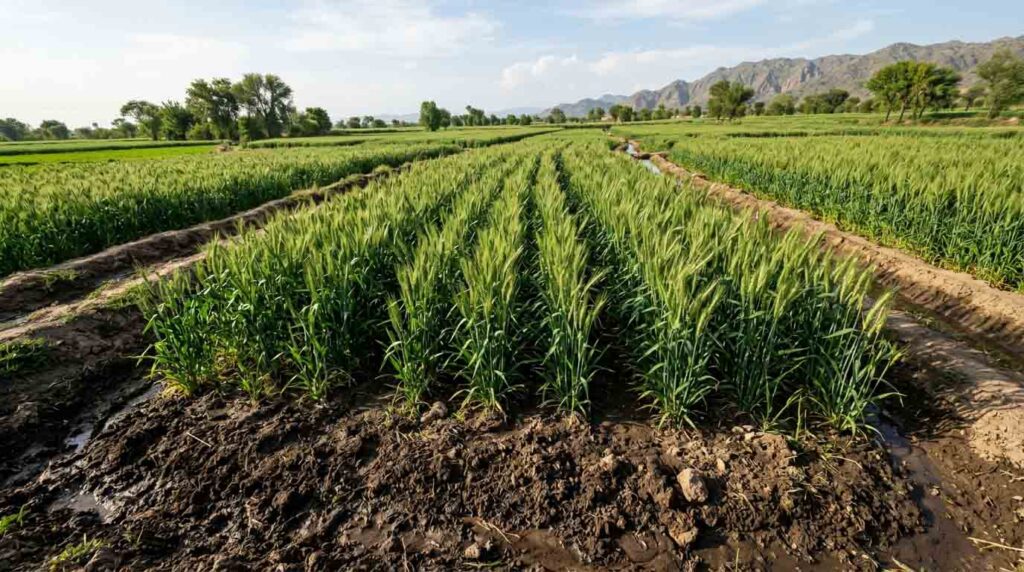
Wheat
Potash helps:
- Strong tillers
- Better grain filling
- Strong stems
- Better resistance to lodging
Apply during land preparation or sowing.
Rice
Potash helps:
- Better plant strength
- Less lodging
- Better grain quality
- Improved stress tolerance
Apply in puddled soil or before transplanting.
Maize
Potash improves:
- Stem strength
- Cob development
- Grain filling
- Drought tolerance
Apply at sowing or early growth stage.
Cotton
Potash is very important for:
- Better boll setting
- Improved fiber quality
- Strong plant growth
- Better resistance to stress
Use during sowing and crop growth as needed.
Sugarcane
Potash helps:
- Better cane thickness
- Higher weight
- Improved juice quality
- Better resistance to dryness
Apply at planting or early growth stage.
Vegetables and Fruits
Potash is highly important for:
- Better size
- Better taste
- Better color
- Longer shelf life
- Improved market value
SOP is often better for vegetables and fruits.
Realted articles
- Organic vs Chemical Fertilizers Complete Farmer Guide
- What is NPK Fertilizer
- DAP Fertilizer Complete Guide
Practical Tips for Farmers in Pakistan
Here are some useful tips for better use of potash fertilizer:
- Do not depend only on Urea
- Use balanced fertilizer for better profit
- Get soil tested if possible
- Use MOP for general field crops
- Use SOP for vegetables, potato, and fruits
- Apply potash before sowing or planting
- Mix fertilizer well into the soil
- Irrigate after application if soil is dry
- Buy fertilizer from trusted dealers
- Follow recommended dose for each crop
- Use NPK where balanced nutrition is needed
- Watch your crop for deficiency signs
Common Mistakes to Avoid
Many farmers do not get full benefit from fertilizer because of some common mistakes.
Avoid these errors:
- Ignoring potash completely
- Applying too much Urea only
- Using wrong type of potash for sensitive crops
- Applying fertilizer in dry soil without moisture
- Not mixing fertilizer into soil
- Applying too late when crop damage has already started
- Using low-quality or fake fertilizer
- Not checking crop needs by soil test
Is Potash Expensive or Profitable?
Some farmers think potash is an extra cost. But in reality, correct potash use can increase profit by improving yield and quality.
Potash can give profit through:
- Better grain filling
- Higher fruit and vegetable quality
- Better disease resistance
- Stronger crops
- Higher market price
- Reduced crop stress losses
So, potash should be seen as an investment, not just a cost.
Conclusion
Potash fertilizer is a very important nutrient source for better crop yield in Pakistan. It helps crops become stronger, healthier, and more productive. It improves grain filling, fruit quality, plant strength, and resistance to heat, drought, and disease.
Many farmers in Pakistan use Urea and DAP, but they ignore potassium. This creates nutrient imbalance and reduces crop performance. For the best results, farmers should use potash along with Urea, DAP, and NPK in a balanced way.
The best method is simple:
- Test the soil
- Choose the right type of potash
- Apply at the right time
- Use proper placement
- Combine with balanced fertilizers
- Manage irrigation carefully
If used correctly, potash fertilizer can help farmers in Pakistan get better yield, better quality, and better income.
FAQs
1. What is the best potash fertilizer in Pakistan?
The best potash fertilizer depends on the crop. MOP is common for field crops, while SOP is better for vegetables, potato, and fruits.
2. Can I use potash with Urea and DAP?
Yes, potash should be used with Urea and DAP for balanced crop nutrition. This gives better yield and better crop quality.
3. When should potash fertilizer be applied?
Potash is usually best applied during land preparation or sowing time. In some crops, it can also be used during early growth.
4. What are the signs of potash deficiency?
Common signs include yellow or dry leaf edges, weak stems, poor grain filling, small fruits, and low yield.
5. Is potash useful for vegetables and fruit crops?
Yes, potash is very useful for vegetables and fruits. It improves size, color, taste, quality, and shelf life. For these crops, SOP is often a better choice.