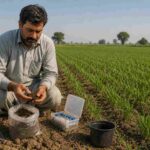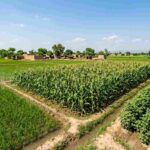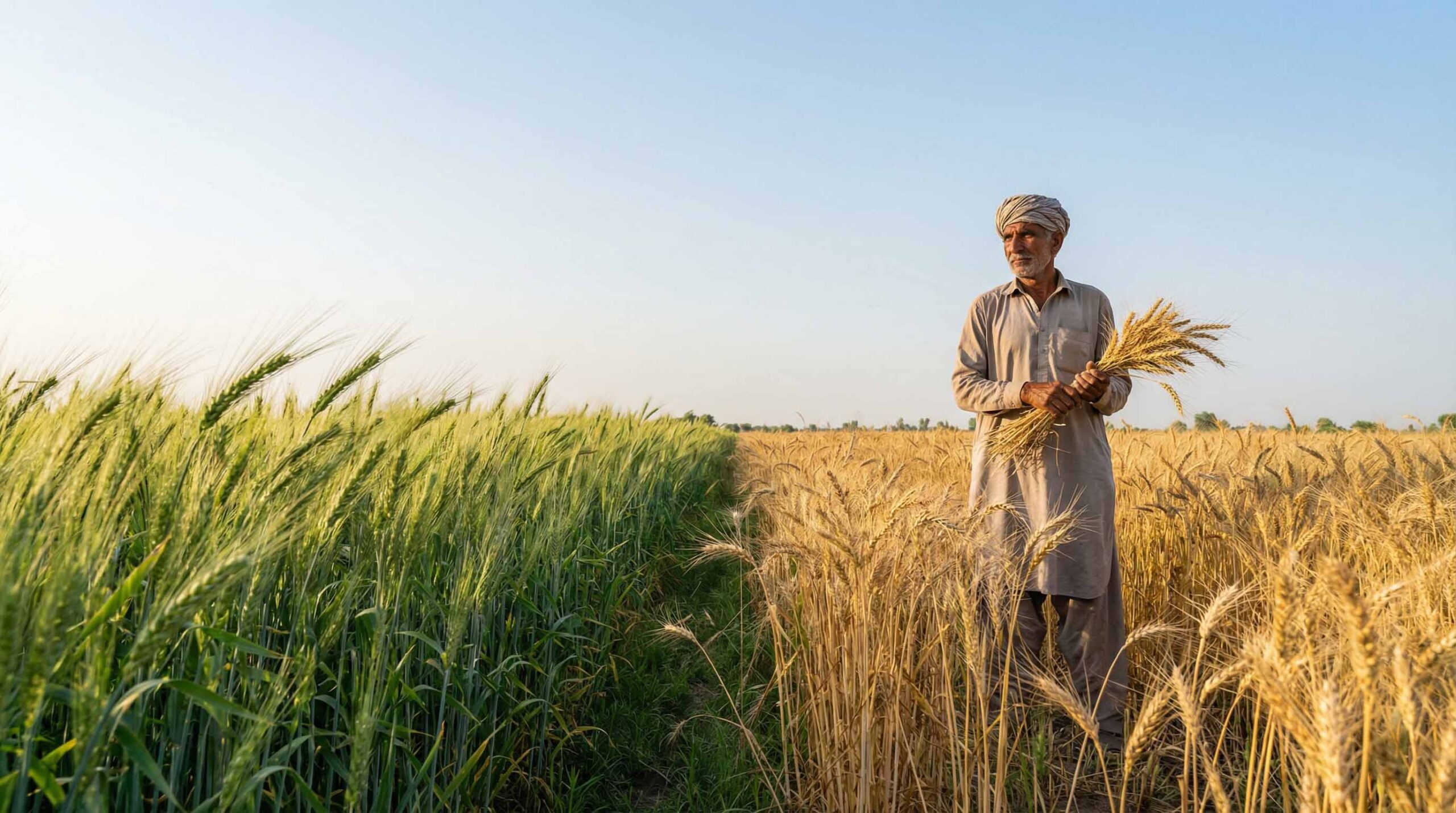
Fertilizer for Wheat in Pakistan Wheat is one of the most important staple crops in Pakistan, grown across Punjab, Sindh, Khyber Pakhtunkhwa, and Balochistan. It plays a key role in food security and the agricultural economy. To get a good wheat harvest, farmers need to focus on proper crop management—especially when it comes to nutrition. Using the best fertilizer for wheat in Pakistan can make a big difference in yield, grain quality, and farm income.
Fertilizers help wheat plants grow strong, develop healthy roots, and produce more grains. However, using the right type of fertilizer at the right time and in the right amount is very important. In this article, we will explain why fertilizer matters for wheat, discuss the most commonly used fertilizers in Pakistan, share a practical wheat fertilizer schedule, and give useful tips to improve your harvest. This guide is written for farmers and beginners who want clear, reliable information for better farming results.
Why Fertilizer Is Important for Wheat Crops
Wheat plants need essential nutrients to grow well. The three main nutrients are:
- Nitrogen (N) helps in leaf and stem growth
- Phosphorus (P) – supports root development and early plant growth
- Potassium (K) – improves plant strength and grain quality
Most soils in Pakistan do not have enough of these nutrients naturally, especially after repeated cropping. Without proper fertilizer use in Pakistan, wheat crops may show poor growth, yellow leaves, weak stems, and lower grain production.
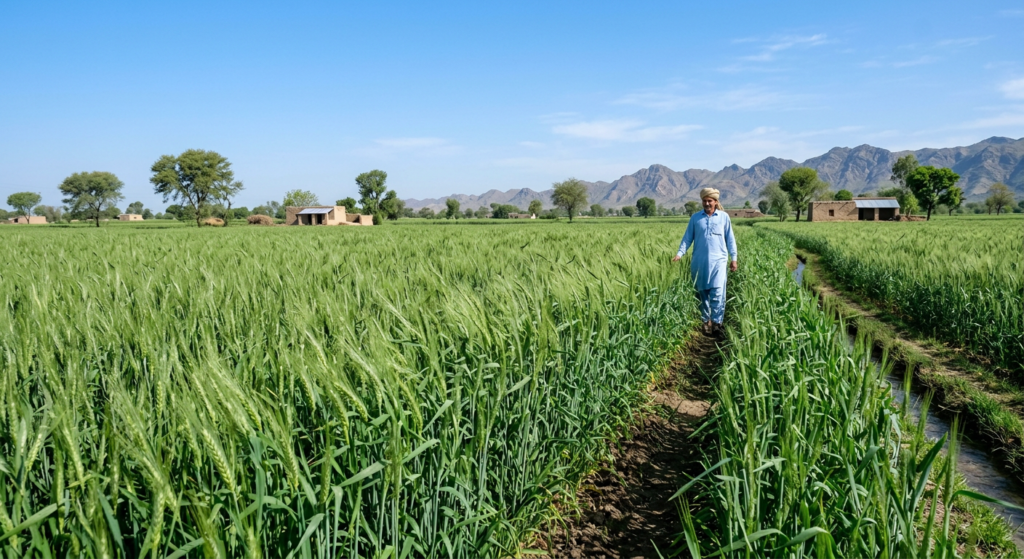
Using the right fertilizer helps:
- Increase the number of tillers (stems) per plant
- Improve root depth and strength
- Boost grain filling and weight
- Enhance resistance to pests and weather stress
When farmers use fertilizers correctly, they can achieve higher yields and better-quality wheat.
Best Fertilizers Used for Wheat in Pakistan
Several types of fertilizers are commonly used for wheat farming in Pakistan. Each one provides specific nutrients and works best when applied at the right stage of crop growth. Below are the most effective fertilizers and how to use them.
Urea – Main Source of Nitrogen
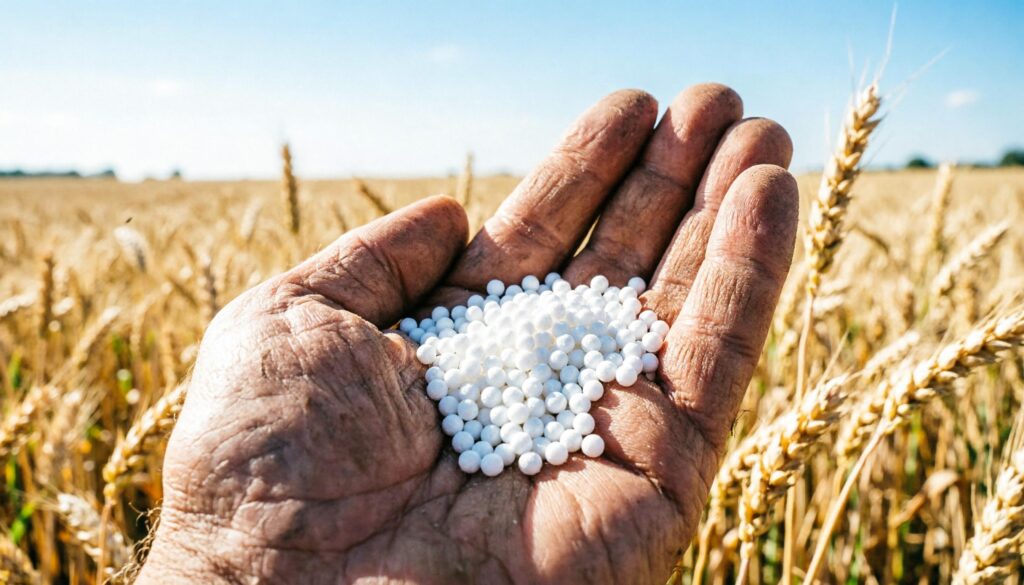
Urea is the most widely used nitrogen fertilizer in Pakistan. It contains about 46% nitrogen and helps wheat plants grow green, leafy stems.
- Why use urea?
Nitrogen is crucial during the early and mid-growth stages of wheat to support tillering and leaf development. - When to apply urea?
First dose: At the time of sowing or just after germination
Second dose: At the tillering stage (about 30–35 days after sowing)
Third dose (optional): At the jointing stage (about 60 days after sowing), especially in high-yield varieties - How to apply urea?
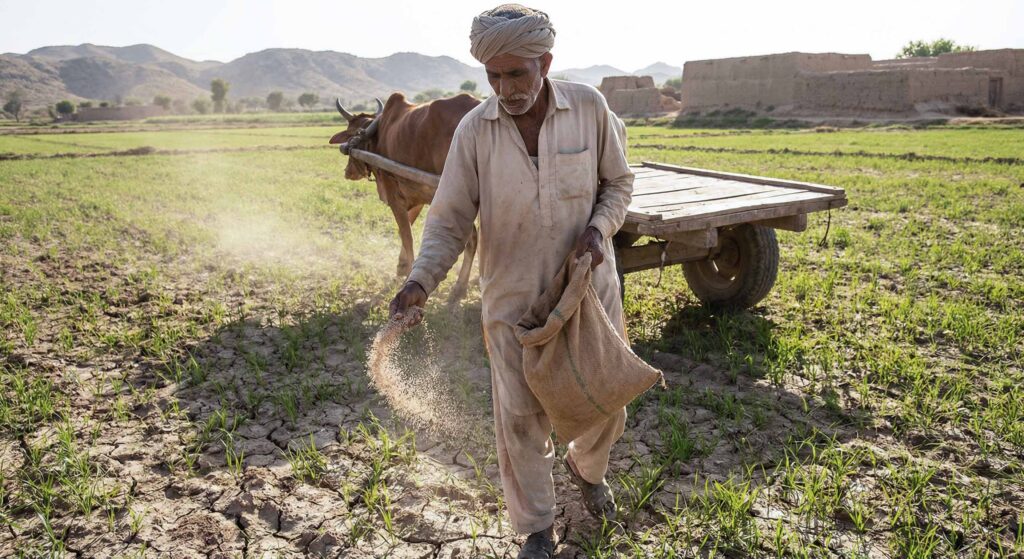
Mix with soil or apply in furrows to reduce nitrogen loss through evaporation. Avoid applying during very hot or windy weather.
DAP – Best for Phosphorus and Early Growth
DAP (Diammonium Phosphate) is the most common phosphatic fertilizer used for wheat. It contains about 18% nitrogen and 46% phosphorus.
Why use DAP?
Phosphorus helps in strong root formation and early plant development, which is essential for a good start.
When to apply DAP?
Apply only once—at the time of sowing. This ensures phosphorus is available when the plant needs it most.
How to apply DAP?
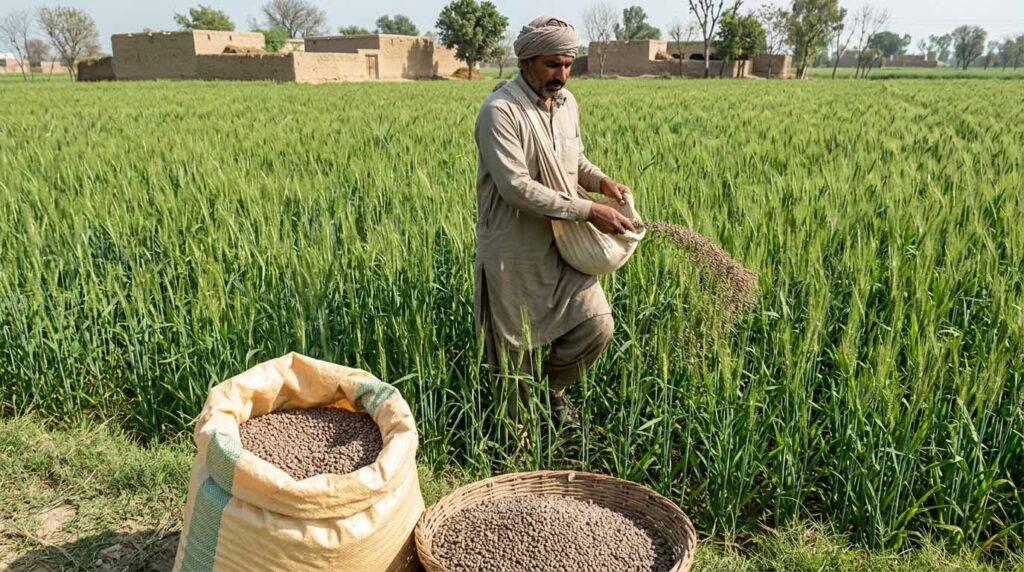
Place DAP in the seed drill along with seeds or in furrows near the seed zone. Do not mix DAP with urea for long-term storage, as it can reduce effectiveness.
NPK Fertilizers—Balanced Nutrition
NPK fertilizers contain a mix of nitrogen, phosphorus, and potassium in different ratios (such as 12-32-16 or 10-26-26). They are useful when farmers want balanced nutrition in one application.
- Why use NPK?
Provides multiple nutrients together, which can save time and ensure even nutrient distribution.
- When to apply NPK?
Usually applied at sowing as a base dose.
- How to apply NPK?
Use according to the recommended rate on the bag. It can replace or supplement DAP depending on soil needs.
Potash (SOP or MOP) – For Stronger Plants
Potassium fertilizers like Sulfate of Potash (SOP) or Muriate of Potash (MOP) help wheat plants become stronger and more resistant to diseases and cold weather.
- Why use potash?
Improves grain quality, stalk strength, and water use efficiency.
- When to apply potash?
Apply at sowing as a base dose. In areas with known potassium deficiency, a second light dose may be considered.
More Related Articles
- Best Fertilizers for Rice Crop in Pakistan+
- Sugarcane Fertilizer Guide in Pakistan Complete Plan for Maximum Yield
- Recommended Fertilizer Quantity per Acre for Maize in Pakistan
- Fertilizer Application Schedule for Different Vegetables and Wheat in Pakistan
- How to apply potash?
Mix with DAP or NPK and apply near the root zone.
Wheat Fertilizer Schedule in Pakistan
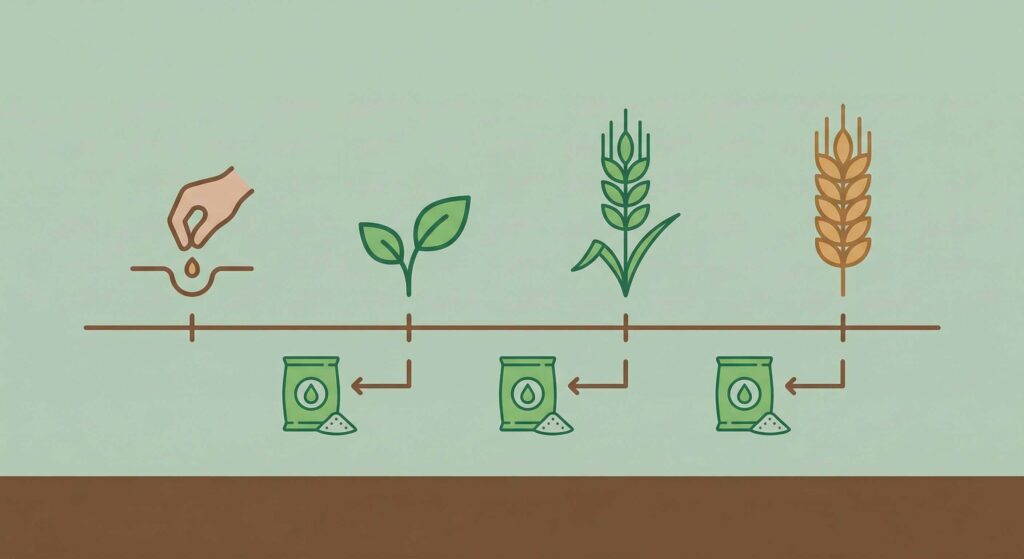
Following a proper wheat fertilizer schedule helps ensure that nutrients are available when the plant needs them most. Here is a general guide for irrigated wheat in Pakistan:
| Growth Stage | Days After Sowing | Fertilizer to Apply | Quantity (per acre) |
| Sowing | Day 0 | DAP or NPK + Potash (if needed) | 50–100 kg DAP |
| Early Growth | 25–30 days | Urea | 25–50 kg |
| Tillering | 30–35 days | Urea | 25–50 kg |
| Jointing | 55–60 days | Urea (optional, high-yield) | 25 kg |
Note: Quantities may vary based on soil test results, wheat variety, and irrigation level. Always follow local agricultural guidelines.
Practical Tips to Increase Wheat Yield
Using the right fertilizer is important, but other farming practices also affect yield. Here are some helpful tips:
- Get a soil test before sowing to know nutrient levels and avoid overuse or underuse of fertilizers.
- Use certified wheat seeds suitable for your region and irrigation system.
- Sow at the right time—usually between mid-November and mid-December for irrigated areas.
- Ensure proper irrigation, especially after fertilizer application, to help nutrients reach the roots.
- Control weeds, pests, and diseases early to protect crop health.
- Mix fertilizers properly and avoid storing urea and DAP together for long periods.
- Follow recommended doses—more fertilizer does not always mean better results.
Common Mistakes Farmers Should Avoid
- Applying All Urea at Once: This leads to 30–40% N loss via volatilization, wasting money and reducing yields.
- Skipping DAP at Sowing: Without phosphorus, wheat seedlings will have weak roots and struggle to establish, leading to poor tillering.
- Ignoring Potash: Potash deficiency increases the risk of drought stress and lodging, reducing both yield and grain quality.
- Applying Fertilizer on Wet Soil: Urea applied on wet soil loses N quickly to the air—wait until the soil is slightly dry before application.
- Not Calibrating Spreaders: Uneven fertilizer application causes patchy growth, with some areas getting too much and others too little.
Frequently Asked Questions (FAQ)
Q1: What is the best fertilizer for wheat in Pakistan?
A: There is no single “best” fertilizer. The most effective approach is to use a combination of urea and DAP for wheat, along with potash if needed, based on soil conditions and crop stage.
Q2: Can I use only urea for wheat?
A: Urea provides nitrogen but lacks phosphorus and potassium. Using only urea may lead to poor root growth and lower yields. It is best to use urea along with DAP or NPK.
Q3: How much fertilizer should I use per acre for wheat?
A: A common recommendation is 50–100 kg of DAP at sowing, plus 75–100 kg of urea split into 2–3 doses. Always adjust based on soil test results and local advice.
Q4: Is organic fertilizer enough for wheat?
A: Organic fertilizers like farmyard manure improve soil health but may not provide enough nutrients for high yields alone. They work best when combined with chemical fertilizers.
Q5: When should I stop using fertilizer on wheat?
A: Stop nitrogen application by the jointing stage (around 60 days). Late nitrogen can delay maturity and reduce grain quality.
Conclusion
Choosing the best fertilizer for wheat in Pakistan involves using the right nutrients at the right time. Urea and DAP remain the most important fertilizers for wheat farming, supported by NPK and potash when needed. Following a clear wheat fertilizer schedule, avoiding common mistakes, and combining good nutrition with proper farming practices can help farmers achieve stronger crops and higher yields.
Fertilizer use in Pakistan should always be based on soil health, crop needs, and local conditions. By using fertilizers wisely, farmers can improve productivity while protecting the long-term fertility of their land.
Summary for Farmers
✅ Pre-sowing: Apply 1 bag DAP + 1 bag potash (if needed) + farmyard manure.
✅ 2–3 weeks post-sowing: 1 bag of urea (side dressing).
✅ 25–30 days post-sowing: 1 bag of urea.
✅ 60–65 days post-sowing: 1 bag of urea.
✅ Conduct soil tests every 2–3 years.
✅ Avoid applying urea on wet soil or all at once.
✅ Use potash to prevent lodging and improve drought resistance.