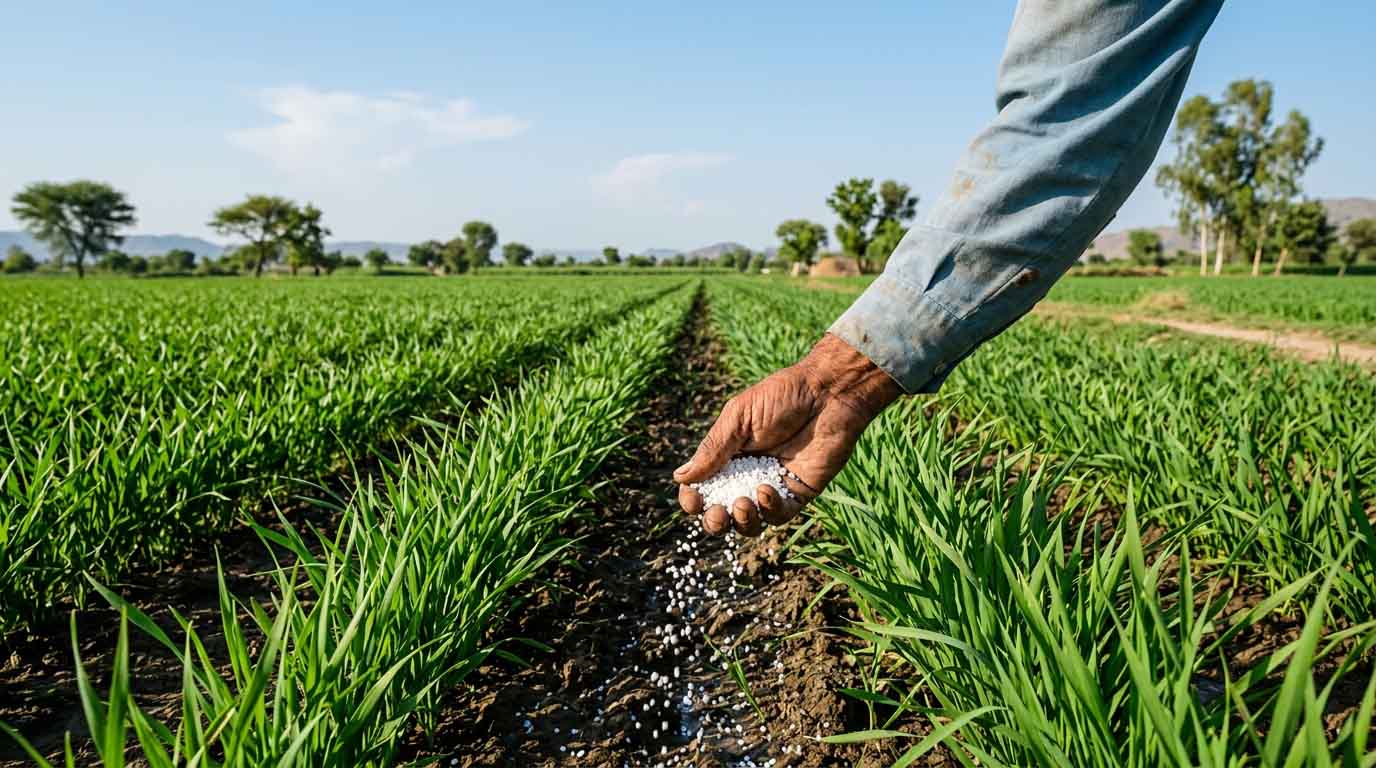
Urea fertilizer is one of the most common and important fertilizers used in Pakistan. Almost every farmer knows its name because it is widely used in wheat, rice, maize, sugarcane, vegetables, orchards, and fodder crops. Urea is popular because it gives quick nitrogen to crops and helps improve plant growth.
But many farmers use urea without proper timing or method. This can waste fertilizer, reduce profit, and sometimes even damage the crop. To get the best results, it is important to know what urea fertilizer is, how it works, and how to use it correctly in Pakistani farming conditions.
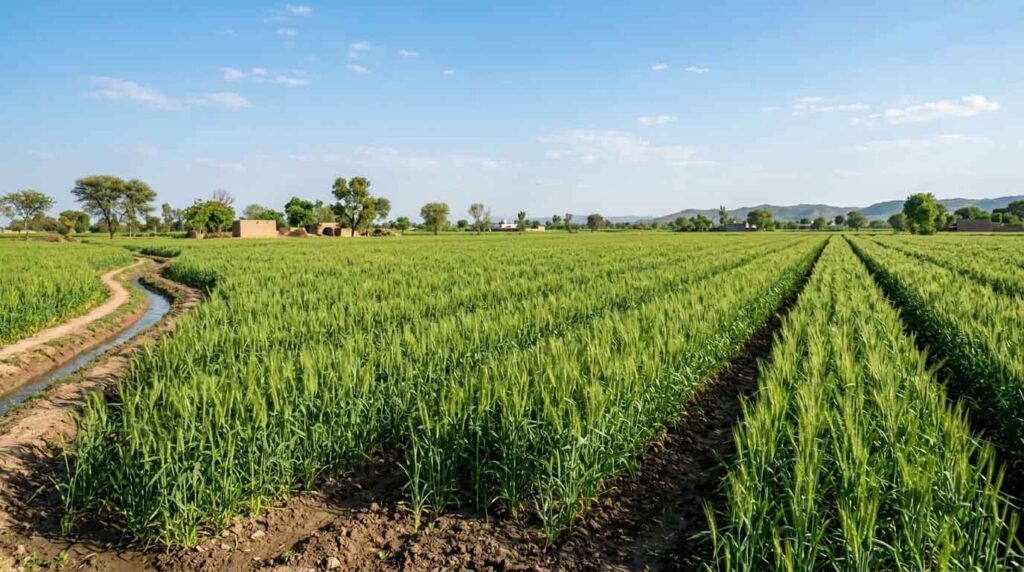
In this article, we will explain everything in simple English. You will learn the benefits of urea fertilizer, how to apply it step by step, when to use it, and what practical tips can help farmers in Pakistan get better yield.
What is Urea Fertilizer?
Urea is a chemical fertilizer that contains 46% nitrogen. Nitrogen is one of the main nutrients needed by plants for healthy growth. It helps crops make green leaves, strong stems, and better overall development.
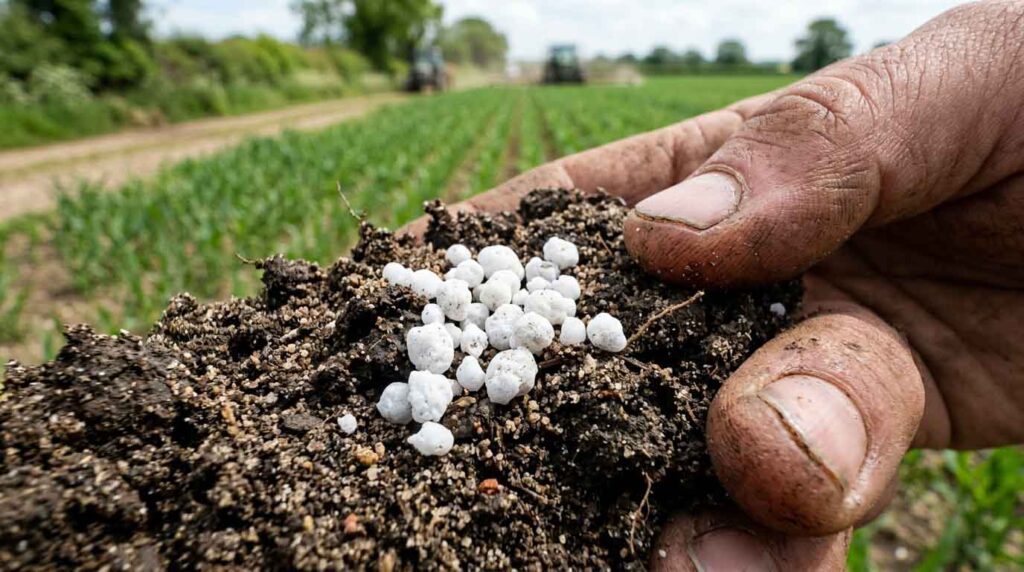
Urea is usually white in color and comes in small granules. It dissolves easily in soil and water. Because of its high nitrogen content, it is one of the most efficient nitrogen fertilizers available.
Why is Nitrogen Important for Crops?
Nitrogen is very important for plant growth because it helps in:
- Green leaf development
- Fast vegetative growth
- Better tillering in wheat and rice
- Strong stems and branches
- Higher crop yield
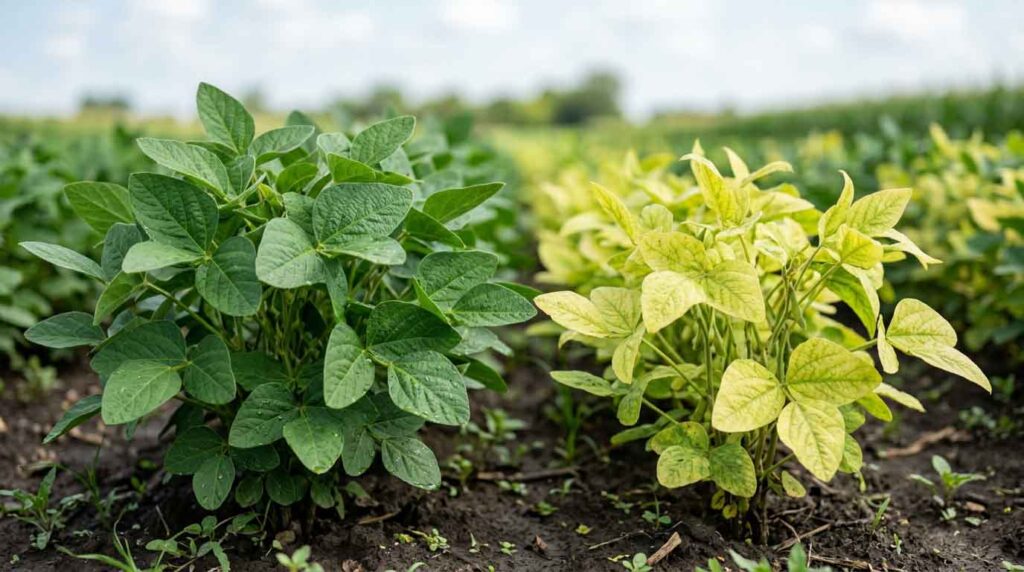
If crops do not get enough nitrogen, they become weak and pale. Leaves may turn light green or yellow, and plant growth becomes slow.
Why Urea Fertilizer Is Popular in Pakistan
Urea is widely used in Pakistan because it is easy to find and gives quick results. Farmers in Punjab, Sindh, Khyber Pakhtunkhwa, and Balochistan use it in many crops.
Main reasons for its popularity:
- High nitrogen content
- Easily available in the market
- Commonly used in all major crops
- Gives visible growth response
- Easy to apply
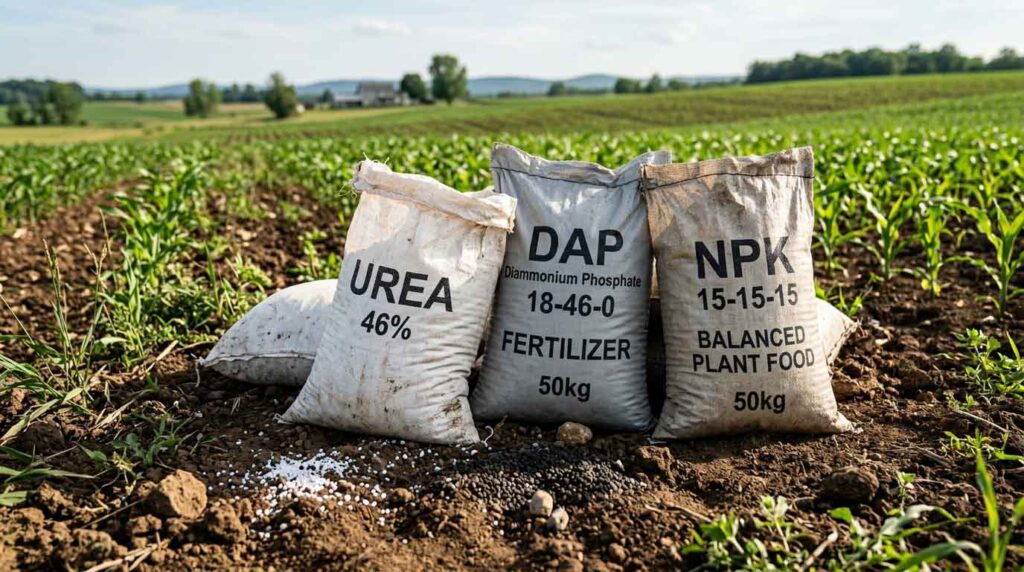
In Pakistan, farmers usually use urea with other fertilizers like DAP and NPK to give balanced nutrition to the crop.
Best Fertilizers Commonly Used in Pakistan
While urea is very important, it should not be used alone in every case. Crops need balanced nutrients for healthy growth.
Urea
Urea gives nitrogen. It supports leaf growth, stem development, and vegetative growth.
DAP
DAP stands for Diammonium Phosphate. It provides phosphorus and some nitrogen. It is useful for:
- Root development
- Early crop growth
- Better flowering and fruiting
NPK
NPK fertilizers contain nitrogen, phosphorus, and potassium in different ratios. They are useful for balanced nutrition.
Benefits of NPK:
- Better root growth
- Improved crop strength
- Better flower and fruit development
- Increased quality and yield
A smart farmer uses urea, DAP, and NPK according to crop need and soil condition.
Benefits of Urea Fertilizer
Urea gives many benefits when used correctly.
Main benefits of urea:
- Promotes fast plant growth
- Makes leaves dark green
- Improves tillering in cereals
- Increases crop production
- Supports healthy vegetative growth
- Useful for many field and vegetable crops
However, too much urea can create problems. Overuse can lead to soft growth, weak roots, more pest attack, and waste of money.
Crops in Pakistan That Commonly Use Urea
Urea is used in many crops across Pakistan, such as:
- Wheat
- Rice
- Maize
- Sugarcane
- Cotton
- Vegetables
- Fodders
- Orchards like mango and citrus
Each crop needs a different amount and timing of urea, so farmers should not apply the same dose everywhere.
How Urea Works in Soil
When urea is applied to the soil, it changes into a form that plants can absorb. This process needs moisture. If urea is left on dry soil for too long, some nitrogen can be lost into the air. This is one of the biggest reasons why many farmers do not get full benefit from urea.
That is why proper irrigation and timing are very important.
Step-by-Step Guide: How to Use Urea Fertilizer
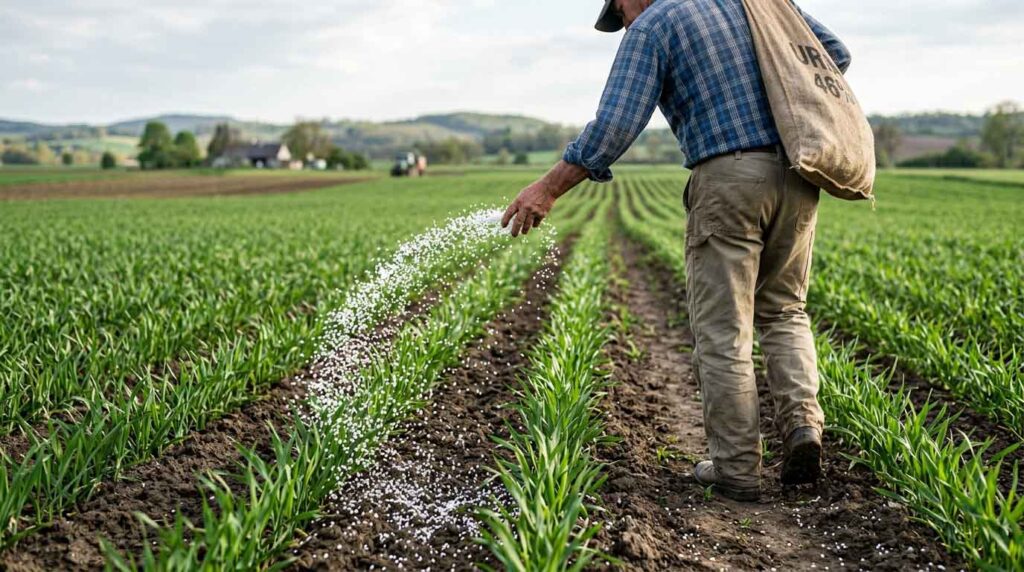
Farmers often ask about the right method of applying urea. Below is a simple step-by-step guide.
Step 1: Check Crop Need
Before applying urea, first look at the crop condition.
Ask these questions:
- Is the crop weak or pale?
- Is the crop at vegetative stage?
- Has the crop already received DAP or basal fertilizer?
- Is the soil dry or moist?
If the crop needs nitrogen, then urea can be applied.
Step 2: Prepare the Field Properly
For best results, the field should have enough moisture. Urea works better in moist soil.
Important points:
- Do not apply on very dry land
- Avoid application before strong wind
- Do not leave urea on dry soil for many days
If irrigation is planned, apply urea close to irrigation time.
Step 3: Apply Urea in Split Doses
This is one of the best methods for Pakistani farmers. Instead of applying all urea at one time, divide it into 2 or 3 doses.
Why split application is better:
- Reduces nitrogen loss
- Gives better crop response
- Improves fertilizer efficiency
- Saves money
For example:
- First dose at early growth stage
- Second dose at active vegetative stage
- Third dose, if needed, according to crop condition
This method is especially useful for wheat, rice, maize, and sugarcane.
Step 4: Use the Right Method of Application
Urea can be applied in different ways depending on the crop.
Broadcasting
This is the most common method. Farmers spread urea evenly in the field by hand.
Best for:
- Wheat
- Fodder
- Rice before irrigation
More Articles
- Mango Tree Nutrition Guide for Healthy Growth
- Potato Crop Fertilizer Guide Types Quantity and Timing
Tip:
- Spread evenly to avoid patchy growth
Side Dressing
In this method, urea is applied near the plant rows, not directly touching the stem.
Best for:
- Maize
- Cotton
- Vegetables
- Sugarcane
Tip:
- Keep some distance from the plant base to avoid burn
Fertigation or Dissolved Use
In some modern farms, urea is dissolved in water and applied through irrigation systems.
Best for:
- Vegetables
- Orchards
- High-value crops
Step 5: Irrigate After Application
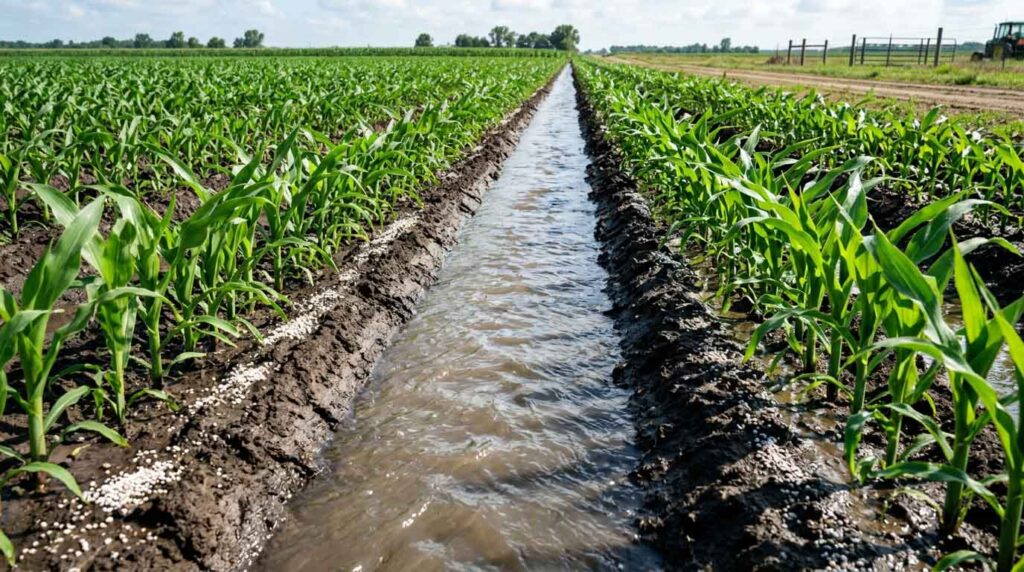
This is a very important step. After applying urea, irrigation should be done soon if the soil is not already moist.
Why irrigation is needed:
- Helps dissolve urea
- Moves nitrogen into the root zone
- Reduces loss into the air
- Improves plant uptake
In Pakistan’s hot climate, delaying irrigation after urea application can reduce fertilizer efficiency.
Best Time to Apply Urea in Pakistan
Timing depends on the crop, but generally urea should be applied when the crop is actively growing.
Good times for urea application:
- At early growth stage
- During vegetative growth
- Before irrigation
- When soil has enough moisture
Avoid urea application:
- In very dry soil
- Before heavy rain or flood irrigation
- During extreme heat in open dry fields
- Too late in crop maturity stage
Urea Use in Major Crops of Pakistan
Urea for Wheat
Wheat needs nitrogen for tillering and grain development.
Practical method:
- Apply some fertilizer at sowing with DAP
- Apply urea in 1 or 2 split doses
- One common stage is first irrigation
Urea for Rice
Rice responds well to nitrogen.
Practical method:
- Apply in split doses
- Use one dose after transplanting or early growth
- Use the next dose during tillering
Urea for Maize
Maize needs nitrogen for vegetative growth and cob formation.
Practical method:
- Apply some fertilizer at sowing
- Use urea as side dressing
- Apply when plants are actively growing
Urea for Vegetables
Vegetables need careful fertilizer management.
Practical method:
- Use small split doses
- Avoid too much nitrogen
- Balance with DAP and NPK
Common Mistakes Farmers Should Avoid
Many farmers lose fertilizer benefit because of wrong practices.
Avoid these mistakes:
- Applying all urea at one time
- Applying on dry soil without irrigation
- Using too much urea
- Spreading unevenly in the field
- Applying too close to plant stems
- Ignoring other nutrients like phosphorus and potassium
Balanced use is always better than only heavy urea use.
Practical Tips for Farmers
Here are some useful tips for better results from urea fertilizer:
- Always use urea according to crop need
- Apply in split doses for better efficiency
- Irrigate soon after application
- Mix fertilizer planning with DAP and NPK
- Do not overuse nitrogen
- Observe leaf color and crop growth
- Use soil testing if available
- In sandy soils, split application is even more important
- In hot weather, avoid leaving urea on the soil surface
These simple steps can help save fertilizer and increase profit.
Urea, DAP, and NPK: Which One Is Better?
Many farmers ask which fertilizer is best. The answer is that each fertilizer has its own role.
Urea
Best for:
- Nitrogen supply
- Vegetative growth
- Fast green response
DAP
Best for:
- Root growth
- Early crop establishment
- Phosphorus supply
NPK
Best for:
- Balanced nutrition
- Overall plant health
- Fruit and flower support
So, the best approach is not to choose only one. Farmers should use Urea, DAP, and NPK in a balanced fertilizer plan.
Conclusion
Urea fertilizer is one of the most valuable fertilizers for Pakistani farmers. It is rich in nitrogen and helps crops grow strong, green, and healthy. But to get the best results, farmers must use it in the right way.
The best method is to apply urea in split doses, use it on moist soil, and irrigate after application. It should also be used along with other fertilizers like DAP and NPK for balanced plant nutrition. Wrong use of urea can waste money and reduce yield, but proper use can improve crop growth and profit.
By following simple fertilizer practices, Pakistani farmers can make better use of urea and get stronger crops in every season.
FAQs About Urea Fertilizer
1. What is urea fertilizer used for?
Urea fertilizer is used to provide nitrogen to crops. It helps in leaf growth, stem development, and overall vegetative growth.
2. Can I use only urea for my crop?
No, using only urea is not always enough. Crops also need phosphorus and potassium, which can be supplied through DAP and NPK fertilizers.
3. When should I apply urea?
Urea should be applied during active crop growth, usually in split doses and near irrigation time for better results.
4. Why is my crop not responding well to urea?
Possible reasons include:
- Dry soil at the time of application
- No irrigation after application
- Nutrient imbalance
- Wrong timing
- Poor soil condition
If possible, check soil health and use balanced fertilizer management.