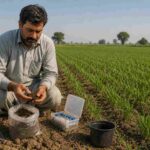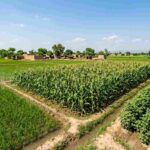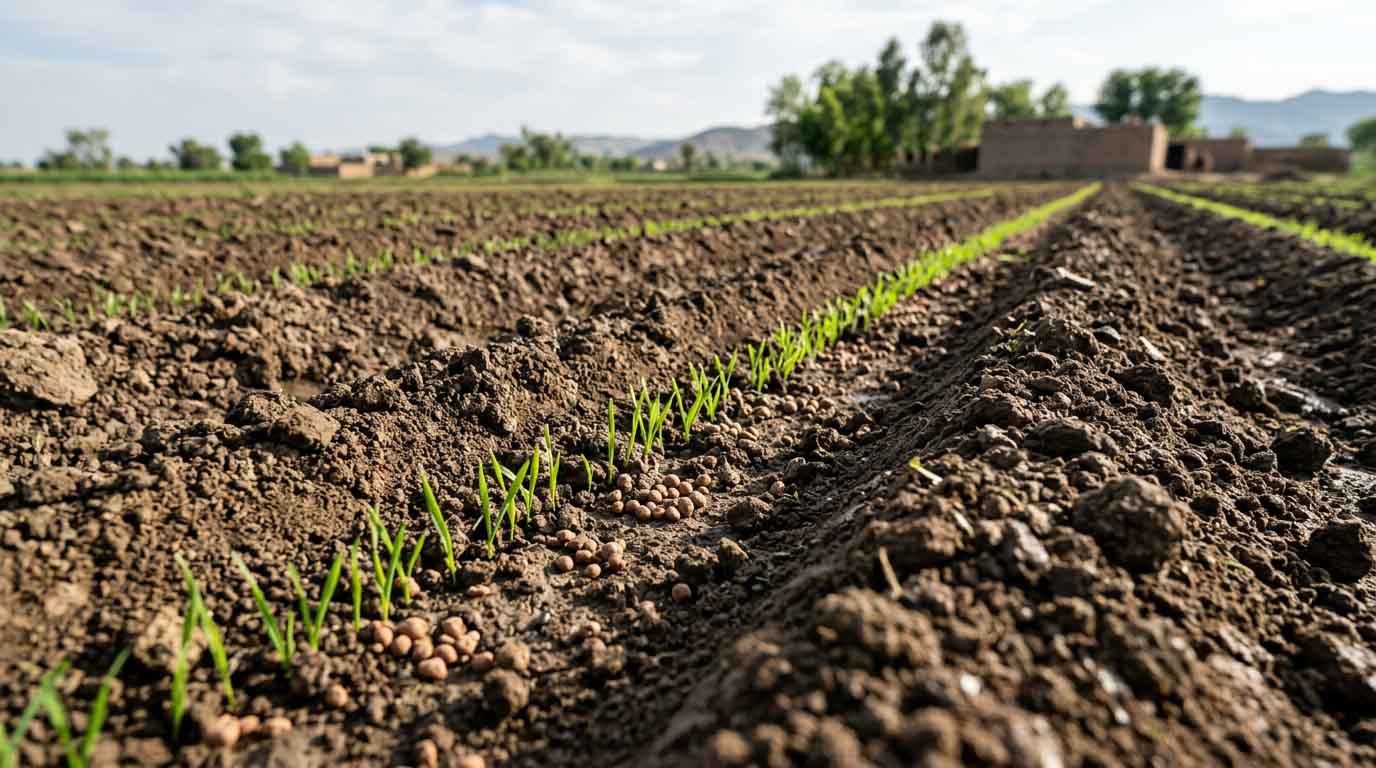
NPK fertilizer is one of the most useful fertilizers for farmers because it gives three major plant nutrients in one product. In Pakistan, many farmers already use Urea and DAP, but more growers are now also using NPK fertilizer to give balanced nutrition to crops.
A crop cannot grow well with only one nutrient. If a farmer uses only nitrogen and ignores phosphorus or potassium, the crop may grow green at first, but later the yield and quality can suffer. This is why understanding NPK fertilizer is very important.
In this article, we will explain in simple English what NPK fertilizer is, how it works, how to use it in Pakistan, and why it is useful for field crops, vegetables, and orchards. This guide is written in a farmer-friendly style so it is easy to understand and use in practical farming.
What Does NPK Mean?
NPK stands for three major nutrients:
- N = Nitrogen
- P = Phosphorus
- K = Potassium
These three nutrients are the backbone of crop nutrition.
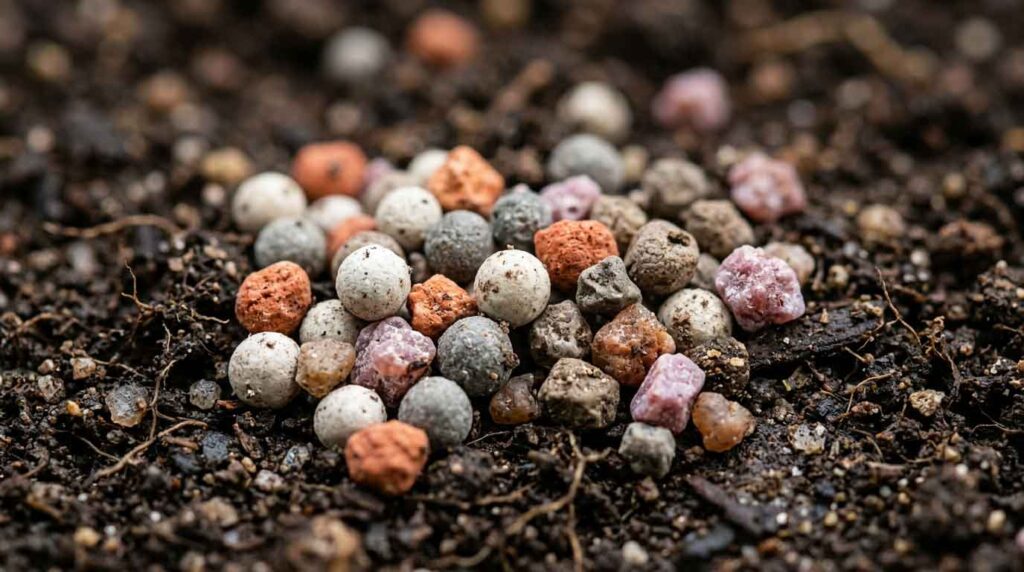
Nitrogen (N)
Nitrogen helps the plant make green leaves and strong vegetative growth. It is the nutrient that gives a quick green effect to crops.
Phosphorus (P)
Phosphorus helps root development, early plant growth, flowering, and seed formation. It is very important at the early stage of crop growth.
Potassium (K)
Potassium helps plants become strong and healthy. It improves fruit quality, disease resistance, water use, and overall crop strength.
So when we say NPK fertilizer, we mean a fertilizer that gives all three major nutrients together.
Why NPK Fertilizer Is Important
In Pakistan, many soils are losing nutrients because of repeated cropping. Farmers often use Urea again and again, but crops need more than nitrogen. If phosphorus and potassium are low, yield may stay weak even after applying Urea.
That is why NPK fertilizer is important. It gives balanced plant food and supports the crop in a more complete way.
Main benefits of NPK fertilizer
- Gives balanced nutrition
- Improves root, leaf, and fruit development
- Helps plants become stronger
- Increases crop yield
- Improves fruit and grain quality
- Supports better resistance to stress
Balanced feeding often gives better and more stable results than using a single fertilizer only.
Understanding NPK Numbers
Fertilizer bags often show numbers like:
- 15-15-15
- 20-20-20
- 10-20-20
- 12-12-17
These numbers show the percentage of nitrogen, phosphorus, and potassium in the fertilizer.
For example:
NPK 15-15-15
This means:
- 15% nitrogen
- 15% phosphorus
- 15% potassium
This is a balanced fertilizer.
NPK 20-20-20
This also gives balanced nutrition, but with higher concentration.
NPK 10-20-20
This means phosphorus and potassium are higher than nitrogen. Such grades may be useful for flowering, fruiting, or where nitrogen is already available.
Farmers should choose the right NPK grade according to crop stage and soil condition.
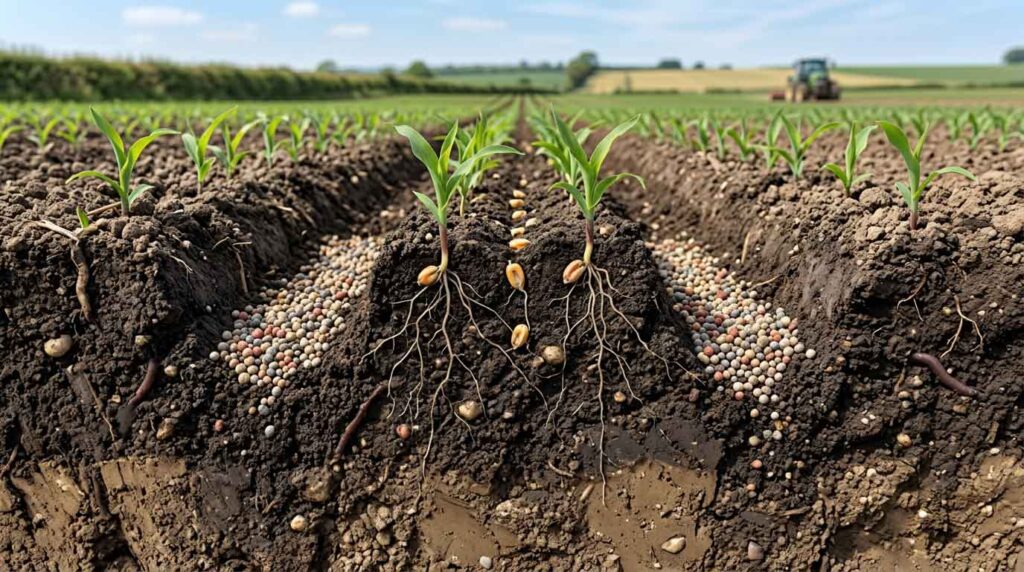
Best Fertilizers Used in Pakistan
The most common fertilizers used by Pakistani farmers are:
Urea
Urea is mainly a nitrogen fertilizer. It is used for green growth and vegetative development.
Best for:
- Wheat
- Rice
- Maize
- Fodder
- Vegetables
DAP
DAP gives phosphorus and some nitrogen. It is mostly used at sowing time for root development and strong crop start.
Best for:
- Wheat
- Maize
- Rice
- Vegetables
- Orchards
NPK
NPK gives a balanced combination of nitrogen, phosphorus, and potassium. It is useful where the crop needs complete nutrition.
Best for:
- Vegetables
- Orchards
- Field crops with nutrient imbalance
- High-value crops
Each fertilizer has its own role. Good farmers use Urea, DAP, and NPK according to crop need instead of depending on only one fertilizer.
Why Pakistani Farmers Should Understand NPK Better
In Pakistan, many farmers focus heavily on nitrogen. This is because the crop becomes green quickly after Urea application. But green color alone does not mean complete health. Crops also need roots, flowers, fruit, grain filling, and strength. That is where phosphorus and potassium become important.
NPK fertilizer is very useful in:
- Weak soils
- Vegetable farming
- Fruit orchards
- Areas with intensive cropping
- Soils with low fertility
- Crops needing better quality
Using NPK in the right way can help improve both yield and market value.
Where NPK Fertilizer Is Commonly Used
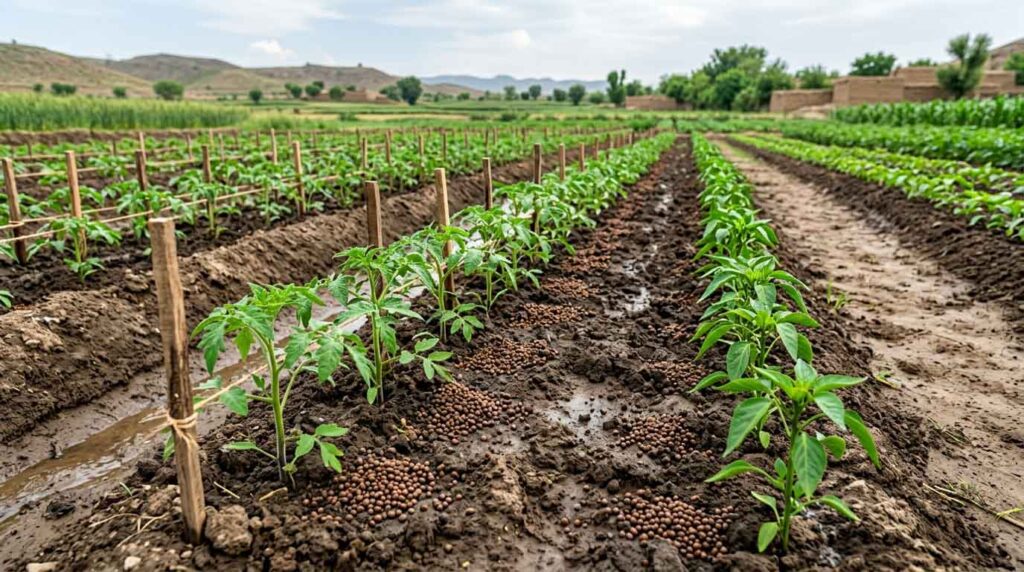
NPK fertilizer can be used in many crops grown in Pakistan:
- Wheat
- Maize
- Rice
- Sugarcane
- Cotton
- Vegetables
- Chilies
- Tomato
- Onion
- Potato
- Citrus orchards
- Mango orchards
It is especially useful in vegetables and orchards because these crops need balanced feeding for better quality and production.
Step-by-Step Guide: How to Use NPK Fertilizer
Now let us understand the proper method of using NPK fertilizer. Correct use is very important for getting good results.
Step 1: Know Your Crop Need
Different crops need different fertilizer plans. Before applying NPK, ask:
- Is the crop at sowing stage or growth stage?
- Is the crop a vegetable, field crop, or orchard?
- Does the crop need balanced nutrition?
- Is the soil weak or nutrient deficient?
If you have a soil test, that is even better. It helps choose the right fertilizer grade.
Step 2: Choose the Right NPK Grade
NPK comes in different grades. Farmers should not use any grade blindly.
For balanced growth
Use balanced grades like:
- 15-15-15
- 20-20-20
For flowering and fruiting support
Some crops may need higher phosphorus and potassium depending on stage.
For vegetables and orchards
Balanced or crop-specific NPK grades often work well.
If you are unsure, ask your local agriculture officer or fertilizer dealer with good knowledge.
Step 3: Apply at the Right Time
Timing is very important.
Best times to apply NPK
- At sowing or planting
- During early growth
- Before flowering in some crops
- During fruit development in vegetables and orchards
Different crops use NPK in different ways, so timing should match the crop stage.
Step 4: Use Proper Application Method
There are different methods of applying NPK fertilizer.
Broadcasting
In this method, fertilizer is spread evenly over the field.
Best for:
- Wheat
- Fodder
- General field use
Tip:
- Mix into the soil if possible for better use
Band Placement
In this method, fertilizer is placed in lines near the seed or root zone.
More Related Aricles
Best for:
- Maize
- Cotton
- Vegetables
Tip:
- Do not place too close to seed or plant stem
Side Dressing
This method is used after crop emergence, where fertilizer is applied beside the plant rows.
Best for:
- Maize
- Vegetables
- Sugarcane
Basin Application in Orchards
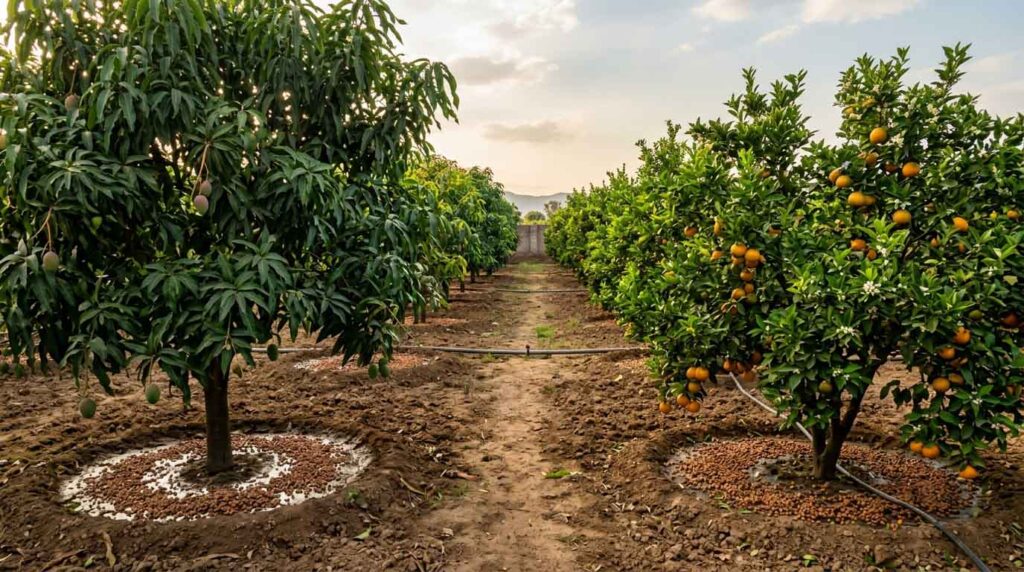
For mango, citrus, and other fruit trees, NPK is applied in the basin under the tree canopy.
Tip:
- Apply around the active root zone
- Keep distance from trunk
- Irrigate after application
Step 5: Irrigate After Fertilizer Application
Water is important after applying NPK fertilizer.
Why irrigation is needed:
- Helps dissolve the fertilizer
- Moves nutrients into the root zone
- Improves absorption by plants
- Reduces nutrient loss
In Pakistan’s hot and dry conditions, irrigation after fertilizer use often gives better results.
Step 6: Combine With Urea and DAP If Needed
NPK is useful, but in some cases the farmer may still need Urea or DAP separately.
For example:
- DAP at sowing for phosphorus
- Urea later for nitrogen
- NPK when balanced nutrients are needed
This depends on crop stage and fertilizer plan.
A farmer should think of fertilizers as part of a complete feeding program, not as single products only.
NPK Fertilizer Use in Different Crops
NPK for Wheat
Wheat usually needs nitrogen and phosphorus the most, but in some soils potassium may also be important. NPK can help where balanced nutrition is required.
NPK for Maize
Maize is a heavy feeder. It can benefit from balanced fertilizer, especially in weak soils.
NPK for Rice
Rice also needs proper nutrition. Balanced feeding may improve growth in some conditions, especially where soils are tired.
NPK for Vegetables
Vegetables respond very well to NPK because they need strong roots, healthy leaves, flowering, and fruit setting.
Best vegetable crops for NPK:
- Tomato
- Chili
- Brinjal
- Potato
- Onion
- Cucumber
NPK for Orchards
Fruit trees need balanced nutrients for healthy growth and good fruit quality.
Useful for:
- Mango
- Citrus
- Guava
NPK can improve:
- Flowering
- Fruit size
- Fruit quality
- Tree strength
Practical Tips for Farmers
Here are some useful and easy tips for Pakistani farmers:
- Do not depend only on Urea
- Use balanced fertilizer according to crop need
- Choose the right NPK grade
- Apply fertilizer near the root zone
- Irrigate after fertilizer use
- Use split application if needed
- Observe crop response after use
- For orchards, apply under canopy and not near trunk
- For vegetables, use smaller but timely doses
- Soil testing is the best way to plan fertilizer use
These tips can save money and improve yield.
Common Mistakes Farmers Should Avoid
Wrong use of fertilizer can reduce profit. Try to avoid these common mistakes:
- Using the wrong NPK grade
- Applying too much fertilizer at one time
- Applying in dry soil without irrigation
- Placing fertilizer too close to seed or plant stem
- Ignoring Urea or DAP when needed
- Thinking green leaves alone mean healthy crop
Balanced nutrition is the key to better farming.
NPK vs Urea vs DAP
Farmers often ask which fertilizer is better. The simple answer is that all three are important.
Urea
- Gives nitrogen
- Best for vegetative growth
- Commonly used in almost all crops
DAP
- Gives phosphorus and some nitrogen
- Best for sowing time and root growth
NPK
- Gives balanced nutrition
- Best where the crop needs complete feeding
So the best fertilizer is not always one product. The best choice depends on the crop, stage, and soil.
How to Know If Your Crop Needs Balanced Nutrition
Your crop may need NPK or balanced fertilizer if you see:
- Weak overall growth
- Poor root development
- Yellowing or weak leaves
- Low flowering
- Small fruit size
- Weak crop quality
- Low production despite Urea use
These signs often show that nitrogen alone is not enough.
Conclusion
NPK fertilizer is a very useful fertilizer because it gives three major nutrients together: nitrogen, phosphorus, and potassium. These nutrients help plants grow better roots, stronger leaves, healthier flowers, and better fruits or grains.
In Pakistan, farmers commonly use Urea, DAP, and NPK. Each one has its own role. Urea is mainly for nitrogen, DAP is best for phosphorus and early growth, and NPK is useful for balanced nutrition. Farmers who understand this difference can make better fertilizer decisions and get higher yield.
To get the best results, NPK should be used according to crop need, soil condition, and growth stage. Proper timing, correct placement, and irrigation after application are all important. With better fertilizer management, Pakistani farmers can improve crop health, quality, and profit.
FAQ About NPK Fertilizer
1. What is NPK fertilizer used for?
NPK fertilizer is used to provide three major nutrients to crops: nitrogen, phosphorus, and potassium. It helps in balanced plant growth.
2. Which is better, Urea or NPK?
Both are useful. Urea gives only nitrogen, while NPK gives balanced nutrition. The better choice depends on crop need and soil condition.
3. Can I use NPK for vegetables and fruit trees?
Yes, NPK is very useful for vegetables and orchards because these crops need balanced nutrition for growth, flowering, and fruit quality.
4. When should I apply NPK fertilizer?
NPK can be applied at sowing, planting, early growth, before flowering, or during fruit development, depending on the crop and fertilizer grade.