Organic vs Chemical Fertilizers Complete Farmer Guide Fertilizer plays a very important role in farming in Pakistan. Whether you grow wheat, rice, maize, sugarcane, cotton, vegetables, or fruits, your crop needs proper nutrition for healthy growth and better yield. Many farmers ask an important question: Should I use organic fertilizer or chemical fertilizer?
The answer is not always simple. Both types of fertilizers have benefits and drawbacks. In Pakistan, where soil fertility is decreasing in many areas and input costs are rising, farmers need the right knowledge to make better decisions.
In this complete farmer guide, we will explain the difference between organic vs chemical fertilizers, their advantages and disadvantages, how to use them properly, and which fertilizers are commonly used in Pakistan like Urea, DAP, and NPK. This article is written in simple English so farmers can understand and apply the information in their fields.
What Are Fertilizers?
Fertilizers are materials added to soil or plants to provide nutrients. Crops need nutrients to grow well, produce strong roots, healthy leaves, flowers, grains, fruits, and resist disease.
The main nutrients needed by crops are:
- Nitrogen (N) – helps in leaf growth and green color
- Phosphorus (P) – helps in root development and flowering
- Potassium (K) – improves crop strength, disease resistance, and grain quality
There are also secondary nutrients and micronutrients like calcium, sulfur, zinc, boron, and magnesium.
What Are Organic Fertilizers?
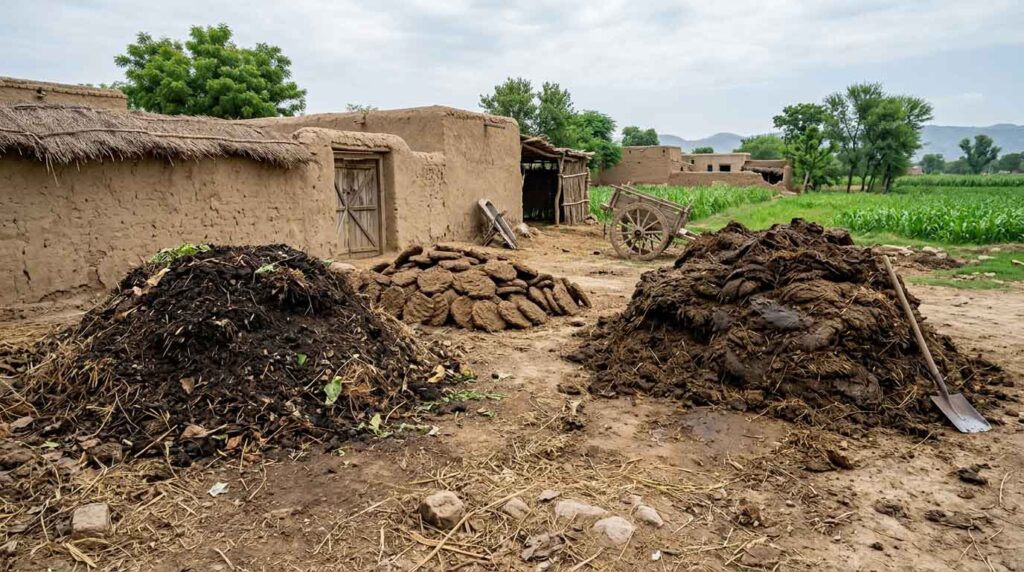
Organic fertilizers are natural fertilizers made from plant, animal, or other natural sources. These improve soil fertility in a slow and natural way.
Common Organic Fertilizers in Pakistan
- Farmyard manure (FYM)
- Cow dung
- Poultry manure
- Compost
- Green manure
- Vermicompost
- Crop residue compost
- Press mud from sugar mills
These are commonly available in rural areas of Pakistan and are often cheaper if prepared on the farm.
What Are Chemical Fertilizers?
Chemical fertilizers are manufactured fertilizers made in factories. They provide nutrients quickly and are widely used in Pakistan for commercial farming.
Common Chemical Fertilizers Used in Pakistan
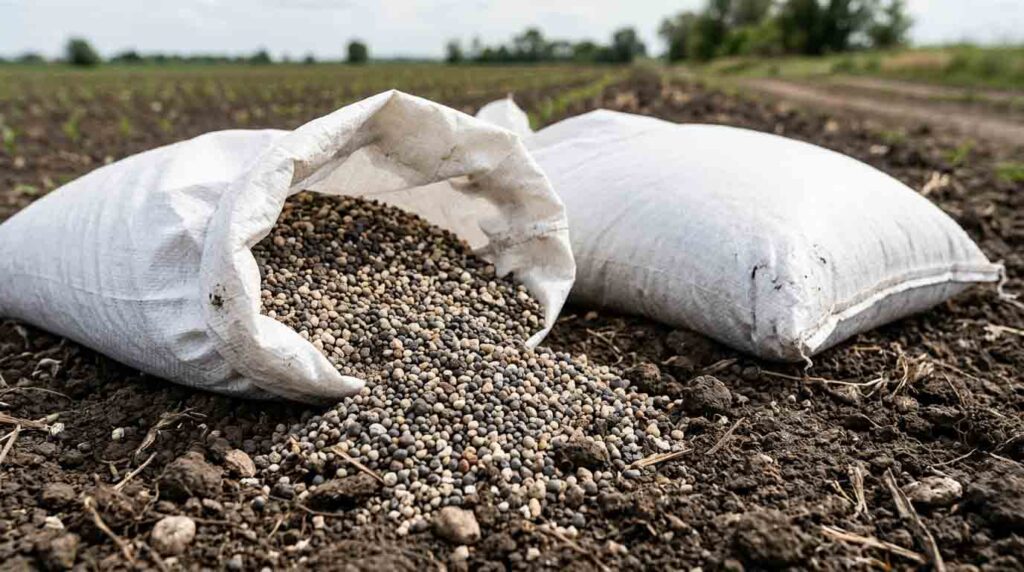
Urea
- Contains high nitrogen
- Used for fast vegetative growth
- Common in wheat, maize, rice, and vegetables
DAP (Diammonium Phosphate)
- Provides nitrogen and phosphorus
- Very useful at sowing time
- Helps in root growth and early crop establishment
NPK
- A mixed fertilizer containing nitrogen, phosphorus, and potassium
- Available in different grades
- Useful for balanced crop nutrition
More Ariticles
Other fertilizers also used in Pakistan include:
- SOP (Sulphate of Potash)
- MOP (Muriate of Potash)
- CAN (Calcium Ammonium Nitrate)
- Ammonium Sulphate
- Zinc Sulphate
- Boron fertilizers
Organic vs Chemical Fertilizers: Main Difference
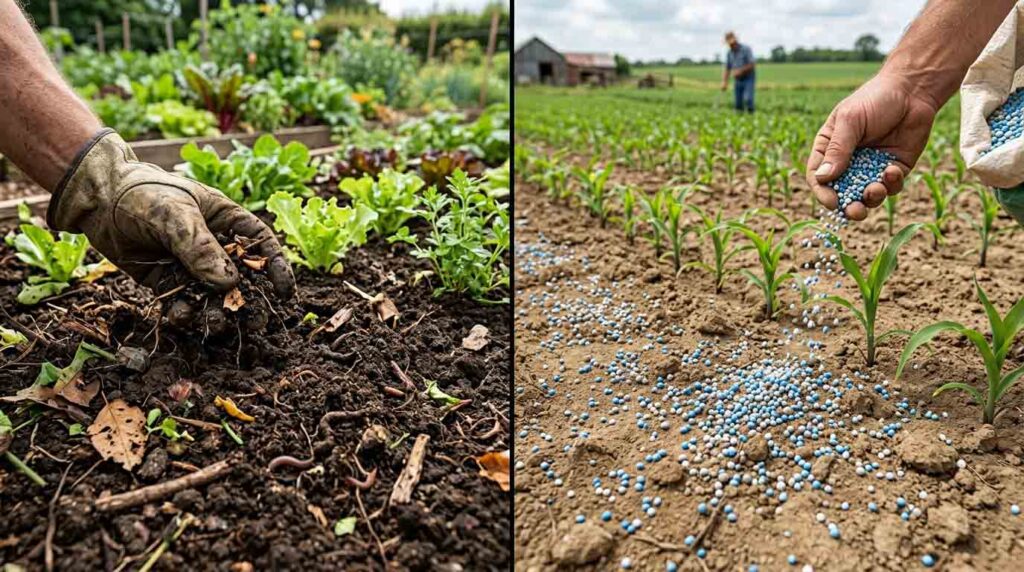
The main difference is the source and speed of nutrients.
Organic Fertilizers
- Come from natural sources
- Release nutrients slowly
- Improve soil structure
- Increase organic matter in soil
- Good for long-term soil health
Chemical Fertilizers
- Made in factories
- Release nutrients quickly
- Give fast crop response
- Easy to apply in exact quantity
- Good for immediate nutrient needs
Benefits of Organic Fertilizers
Organic fertilizers are becoming more important in Pakistan because many soils have lost organic matter due to repeated cropping and less use of natural manure.
Advantages of Organic Fertilizers
- Improve soil structure
- Increase water-holding capacity
- Support beneficial soil microbes
- Reduce soil hardness
- Help long-term fertility
- Lower risk of nutrient burning
- Make soil more fertile over time
- Good for vegetables, fruits, and kitchen gardening
Problems with Organic Fertilizers
- Nutrient release is slow
- Large quantity is needed
- Transport can be costly
- Nutrient content is not always uniform
- May contain weed seeds if not properly composted
- Sometimes not enough for high-yield farming alone
Benefits of Chemical Fertilizers
Chemical fertilizers are very popular in Pakistan because farmers want quick crop growth and better production.
Advantages of Chemical Fertilizers
- Fast nutrient availability
- Easy to buy from market
- Easy to apply
- Exact nutrient amounts are known
- Suitable for commercial crops
- Very effective for high-yield farming
- Quick response in weak crops
Problems with Chemical Fertilizers
- Overuse can damage soil health
- May reduce organic matter in soil
- Can increase soil salinity in some areas
- Extra use wastes money
- Can burn crops if used wrongly
- Long-term overuse can make soil hard and less fertile
Which Fertilizer Is Better for Pakistani Farmers?
For most farming conditions in Pakistan, the best approach is balanced use of both organic and chemical fertilizers.
Why? Because:
- Organic fertilizers improve soil health
- Chemical fertilizers provide quick nutrients
- Together they give better long-term results
- This method reduces cost and improves yield
This is called integrated nutrient management.
Best Practical Approach
Use:
- Farmyard manure or compost before land preparation
- DAP at sowing
- Urea in split doses
- NPK or potash where needed
- Micronutrients after soil test
This method is suitable for many crops in Pakistan.
Step-by-Step Fertilizer Usage Guide for Farmers
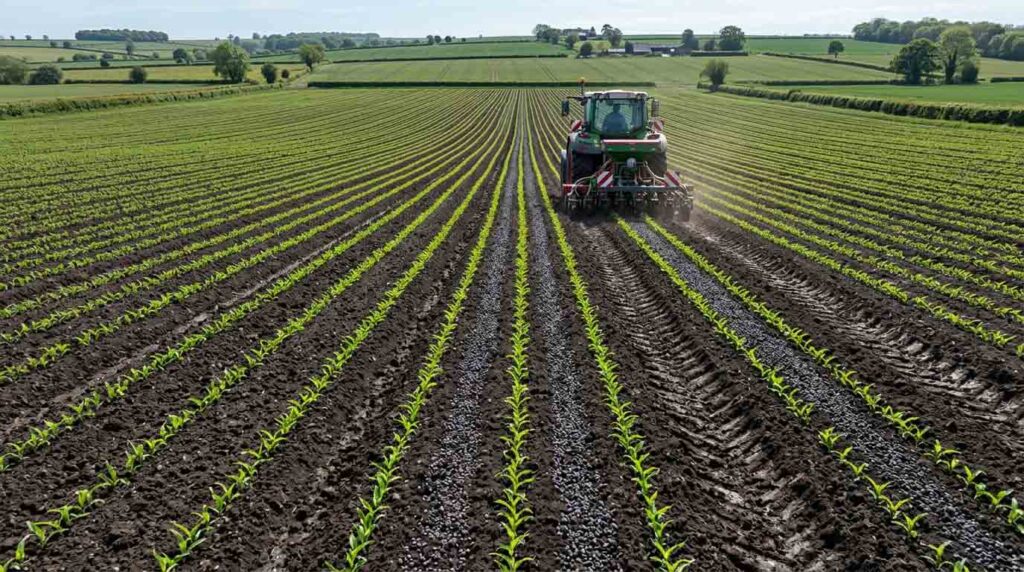
Using fertilizer in the right way is just as important as choosing the right fertilizer.
Step 1: Test Your Soil
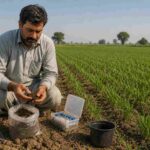
Before applying fertilizer, try to get a soil test from your local agriculture department or lab.
Soil testing helps you know:
- Which nutrient is lacking
- How much fertilizer is needed
- If the soil is saline or alkaline
- Whether zinc, boron, or sulfur is required
This saves money and improves yield.
Step 2: Add Organic Matter Before Sowing
Apply organic fertilizer during land preparation.
Recommended practice:
- Use well-rotted farmyard manure or compost
- Mix it properly into the soil 2 to 4 weeks before sowing
- Avoid fresh manure because it may harm roots and spread weeds
Benefits:
- Improves soil softness
- Increases moisture retention
- Helps root growth
- Makes chemical fertilizer work better
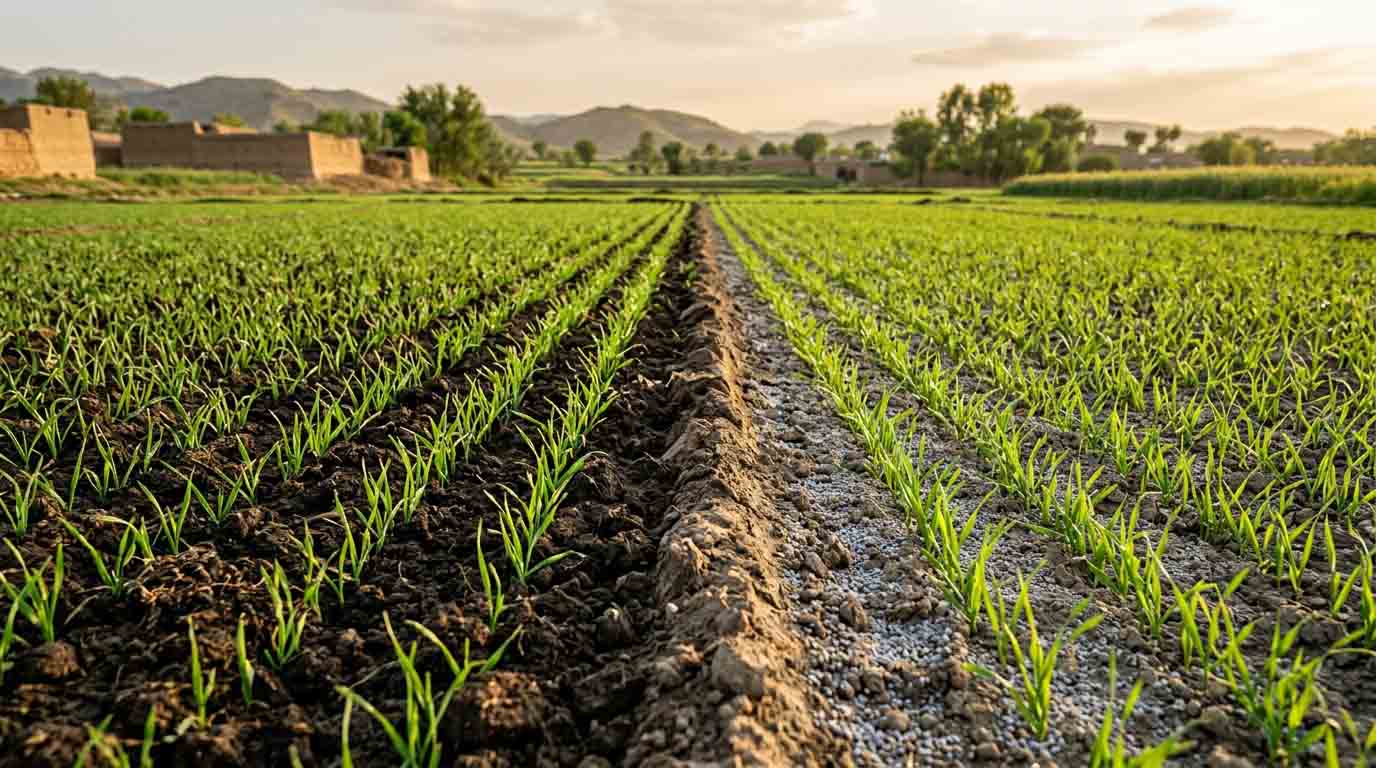
Step 3: Apply DAP at Sowing Time
DAP is one of the best fertilizers used in Pakistan at sowing.
Why use DAP?
- Supports strong root growth
- Helps early plant development
- Useful for wheat, maize, rice nurseries, vegetables, and pulses
Practical tip:
- Place DAP near seed but not directly touching the seed
- Use recommended dose according to crop and soil test
Step 4: Use Urea in Split Doses
Urea gives nitrogen, which is needed for leaf and stem growth.
Important rule:
Do not apply all Urea at one time.
Better method:
Apply Urea in 2 or 3 split doses:
- First dose after germination or early growth
- Second dose at tillering or vegetative stage
- Third dose if needed at flowering or crop growth stage
Why split application is better:
- Reduces fertilizer loss
- Improves nitrogen use
- Saves money
- Gives better crop growth
Warning:
- Do not apply Urea on dry soil without water
- Avoid application before heavy rain
- Irrigate after application when possible
Step 5: Apply NPK or Potash If Needed
Some Pakistani soils are low in potassium, especially for vegetables, fruits, sugarcane, and some cash crops.
NPK fertilizer is useful when:
- Crop needs balanced nutrition
- Soil is weak in more than one nutrient
- High-value crops are grown
Potash helps in:
- Better grain filling
- Disease resistance
- Better fruit size and quality
- Strong stems and reduced lodging
Step 6: Use Micronutrients Carefully
Many soils in Pakistan, especially calcareous soils, can be low in:
- Zinc
- Boron
- Iron
- Sulfur
Signs of deficiency:
- Yellow leaves
- Poor growth
- Weak roots
- Low flowering
- Poor grain or fruit setting
Use micronutrients only when needed, preferably after soil or plant analysis.
Best Fertilizers Used in Pakistan
Farmers in Pakistan commonly use the following fertilizers:
1. Urea
- Best source of nitrogen
- Good for wheat, maize, rice, sugarcane, and vegetables
- Use in split doses for best results
2. DAP
- Good source of phosphorus and nitrogen
- Best at sowing time
- Helps root and early growth
3. NPK
- Balanced fertilizer
- Suitable for vegetables, orchards, and cash crops
- Gives all-around nutrition
4. Farmyard Manure
- Improves organic matter
- Best for long-term soil health
- Works well with chemical fertilizers
5. Poultry Manure
- Rich in nutrients
- Good for vegetables and fodder
- Must be well decomposed before use
Practical Tips for Farmers in Pakistan
Here are some useful tips for better fertilizer use:
- Always prefer soil testing before fertilizer application
- Use organic manure every season if available
- Do not depend only on Urea
- Apply DAP at sowing for better root growth
- Use Urea in split doses
- Apply fertilizer when there is enough moisture in soil
- Do not apply too much fertilizer just for dark green leaves
- Avoid fertilizer loss through flooding or waterlogging
- Use zinc and boron only when deficiency is seen or confirmed
- Keep fertilizer bags in a dry place
- Buy fertilizer from trusted dealers only
- Follow advice from agriculture experts for each crop
Organic and Chemical Fertilizers Together: Best Option
For many Pakistani farmers, using both fertilizers together is the smartest way.
Why this method works:
- Organic fertilizer improves soil health
- Chemical fertilizer gives quick crop feeding
- Crop yield becomes better
- Soil remains productive for future seasons
- Fertilizer efficiency improves
For example:
- Apply farmyard manure before sowing
- Use DAP at planting
- Apply Urea in split doses later
- Add NPK or potash if crop requires
This combination is practical, economical, and useful under Pakistan’s farming conditions.
Common Mistakes Farmers Should Avoid
Many farmers lose money and crop performance due to wrong fertilizer practices.
Avoid these mistakes:
- Applying too much Urea
- Ignoring phosphorus and potash
- Using fresh manure instead of decomposed manure
- Applying fertilizer in dry soil
- Applying all fertilizer at one time
- Not testing soil
- Using low-quality or fake fertilizers
- Not adjusting fertilizer according to crop type
Conclusion
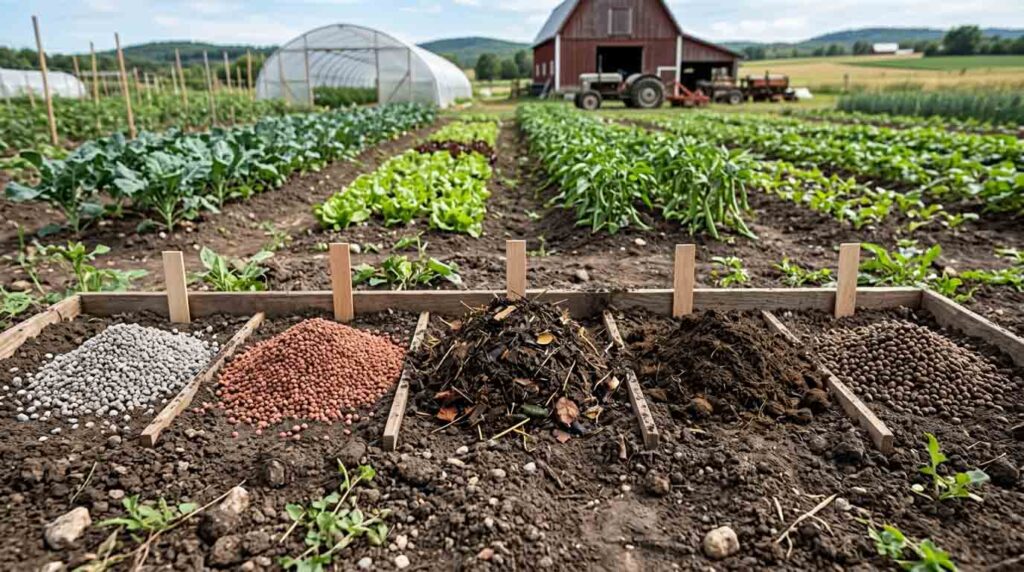
When comparing organic vs chemical fertilizers, both have their own place in modern farming. Organic fertilizers are best for improving soil health, water retention, and long-term fertility. Chemical fertilizers like Urea, DAP, and NPK are best for quick nutrient supply and higher crop production.
For Pakistani farmers, the best solution is usually not choosing one and rejecting the other. The best solution is balanced use of both organic and chemical fertilizers according to crop need, soil condition, and water availability.
If farmers use fertilizers wisely, in the right amount and at the right time, they can get:
- Better yield
- Lower cost
- Healthier soil
- Better crop quality
- Long-term farm success
So, for strong farming in Pakistan, focus on smart fertilizer use, not just more fertilizer use.
FAQs
1. Which is better, organic fertilizer or chemical fertilizer?
Both are useful. Organic fertilizer is better for soil health, while chemical fertilizer gives quick crop response. The best method is to use both in balance.
2. What are the most common fertilizers used in Pakistan?
The most common fertilizers used in Pakistan are Urea, DAP, and NPK. Farmers also use farmyard manure, potash, zinc, and boron when needed.
3. Can I use only Urea for my crop?
No, using only Urea is not recommended. Crops also need phosphorus, potassium, and other nutrients. Too much Urea can damage soil balance and reduce crop quality.
4. When should DAP be applied?
DAP should usually be applied at sowing or planting time. It helps in root development and early crop growth.
5. Why is organic manure important in Pakistan?
Organic manure improves soil structure, increases water-holding capacity, and adds organic matter. This is very important because many soils in Pakistan are losing fertility over time.